Vehicle Emissions Testing Intervals: How Often US Cars Need Testing
The Short Answer
There is no single national schedule for vehicle emissions testing in the United States. How often a vehicle must be tested depends on the state, and often the county or metro area, where it is registered. Where testing is required, it is commonly annual or every other year and is usually tied to registration renewal. Many states, and many areas within testing states, require no emissions inspection at all.
The vehicle itself also affects the answer. Model year, fuel type, weight class and whether the vehicle is fully electric can decide whether it needs testing, how often, and which kind of test it gets. Check the requirements of your state's motor vehicle or environmental agency for the rules that apply to your vehicle.
Why Testing Requirements Vary by Location
Emissions inspection programs come from the federal Clean Air Act. States are responsible for meeting federal air quality standards, and areas that fail to meet those standards for pollutants such as ground-level ozone may be required to run vehicle inspection and maintenance programs. That is why testing is often concentrated in large metropolitan regions. A neighboring rural county in the same state may have no requirement.
Each state designs its own program within the federal framework. States decide the testing frequency, the exemptions, the test methods, the fees and the repair rules. Programs also change over time. Some areas end testing when air quality improves, and others adjust exemptions or switch test methods. A schedule that applied a few years ago may no longer be current.
Common Testing Interval Patterns
Exact rules differ by state, but most programs follow a few broad patterns:
Annual testing: the vehicle is inspected every year, usually before or at registration renewal. Biennial testing: the vehicle is inspected every two years, sometimes based on whether the model year is odd or even. Testing at change of ownership: some programs require a valid inspection when a vehicle is sold or first registered in the area, even when routine testing is not yet due. Testing when moving in: drivers who relocate into a testing area may need an inspection before they can register the vehicle locally.
Vehicles That Are Often Exempt
Exemptions are a large part of how intervals work in practice, because they determine when a vehicle enters a testing cycle and when it leaves one. Common exemption categories include:
Newer vehicles: many programs exempt vehicles for their first several model years, because modern emissions systems rarely fail when new. Older vehicles: some states exempt vehicles older than a set model year, while others keep testing older vehicles with a different method. Electric vehicles: battery-electric vehicles have no tailpipe emissions and are generally exempt from emissions testing. Certain fuel or weight categories: diesel vehicles, heavy-duty vehicles and motorcycles may be exempt or follow separate rules, depending on the state. Collector or limited-use vehicles: some states offer exemptions for classic or antique registrations, often with mileage or usage limits.
Hybrids are usually treated like conventional gasoline vehicles because they have an engine and exhaust system, although some programs handle them differently.
Types of Emissions Tests
The type of test affects how long an inspection takes and what can cause a failure. Programs generally use one or more of these methods:
Test type | How it works | Typically used for; OBD-II plug-in test | A technician connects to the onboard diagnostics port and reads readiness monitors and stored trouble codes | Most light-duty gasoline vehicles from model year 1996 onward; Tailpipe (exhaust) test | Exhaust gases are measured with a probe, either at idle or while the vehicle runs on a dynamometer | Older vehicles without OBD-II, or programs that still require exhaust measurement; Gas cap and visual checks | Inspectors check fuel cap sealing and look for missing or tampered emissions components | Added to other tests in some programs; Diesel opacity test | Exhaust smoke density is measured | Certain diesel vehicles, where required
OBD-II stands for On-Board Diagnostics, second generation. It is a standardized self-monitoring system that tracks engine and emissions components and stores fault codes when it detects a problem. Because the system watches emissions performance continuously, many programs now rely on the plug-in test instead of measuring the exhaust directly.
Emissions Testing vs. Safety Inspection
Emissions testing is sometimes confused with a vehicle safety inspection, but they are separate requirements. A safety inspection checks items such as brakes, lights, tires and steering. An emissions test checks only whether the vehicle's emissions controls are working. Some states require both, some require only one, and some require neither. Where both apply, they may be done during the same visit but still follow different rules and exemptions.
Emissions testing is also different from routine maintenance intervals in your owner's manual. A vehicle can pass an emissions test while it is overdue for oil changes or other service, and the state schedule has no connection to the manufacturer's maintenance schedule.
What Can Cause a Failed Test
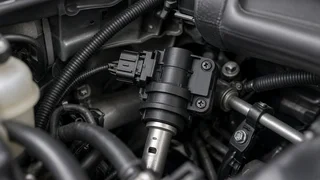
In OBD-II programs, a lit check engine light or stored emissions-related trouble codes will commonly cause a failure. Readiness monitors also matter. These self-tests must have finished running before the system can report a result. If the battery was recently disconnected or codes were recently cleared, the monitors may show as not ready. The vehicle may then be rejected until it has been driven enough for the monitors to complete.
Common underlying causes include faulty oxygen sensors, catalytic converter problems, evaporative system leaks such as a loose or damaged gas cap, and misfires. In tailpipe testing programs, worn engine components or a failing catalytic converter can push measured emissions past the allowed limits.
If a vehicle fails, programs generally allow repairs followed by a retest. Many states also have waiver or repair-assistance provisions for owners who have spent a qualifying amount on emissions repairs without success. The conditions vary by state.
How to Find Your Vehicle's Testing Schedule
Check your registration renewal notice: in testing areas, it usually states whether an emissions inspection is due. Consult your state motor vehicle or environmental agency: these agencies publish which counties require testing, the intervals and the exemptions. Confirm the rule for your registration address: requirements often depend on the county where the vehicle is registered, not where it is driven. Account for recent changes: if you moved, bought a used vehicle or changed registration type, check whether a one-time inspection is required.
Practical Takeaways
Emissions testing intervals in the US are set locally, not nationally. If you live in a testing area, expect an inspection every one or two years, usually linked to registration, with exemptions that often cover new vehicles and electric vehicles. Drive the vehicle normally for some time before a test so the readiness monitors are complete. Address a check engine light before the test, not after. Confirm your current requirements with your state agency, because testing areas and rules change over time.