DMV Vehicle Inspection Requirements: What They Are and How They Vary
There is no single national vehicle inspection requirement in the United States. Each state decides whether passenger vehicles must be inspected, what kind of inspection applies, and at what point in the registration process it happens. Some states require no periodic inspection for typical private cars, while others require a safety inspection, an emissions inspection, or both. Within a state, requirements can also differ by county or metro area. Whether you need an inspection therefore depends on where the vehicle is registered, what kind of vehicle it is, and what transaction you are completing.
What people mean by a DMV inspection
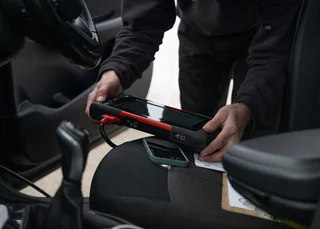
"DMV inspection" is a general term for any vehicle check that a state motor vehicle agency requires before it will register, renew or transfer a vehicle. The agency is not always called the DMV. Depending on the state it may be a Bureau of Motor Vehicles, a Motor Vehicle Division, a Secretary of State office or a similar department. The inspection itself is not always performed at an agency office either. In many places it is carried out by licensed private stations or by separate state-run testing facilities, and the agency only receives the result.
The main types of vehicle inspection
Inspections generally fall into three categories. A state may use one, several or none of them for a given vehicle.
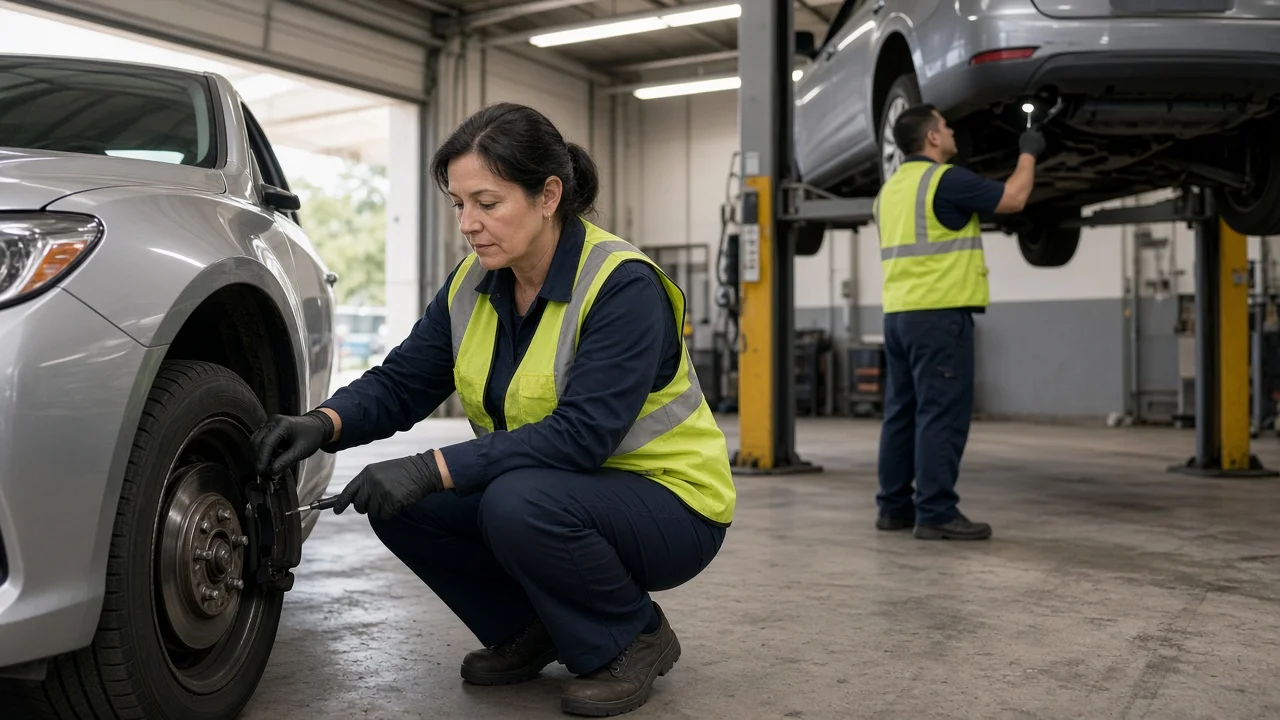
Inspection type | What it generally checks | When it commonly applies; Safety inspection | Condition of equipment such as brakes, lights, tires, steering, horn, wipers and windshield | Periodically in states with safety programs, or when a vehicle is first registered there; Emissions inspection (often called a smog check) | Exhaust output or readings from the vehicle's onboard diagnostic system | In states or regions with air-quality programs, often at renewal or when ownership changes; VIN verification | Whether the vehicle identification number on the vehicle matches the title and registration documents | Commonly when a vehicle is brought in from another state or has a salvage or rebuilt title
The key difference is purpose. A safety inspection asks whether the vehicle is mechanically fit for the road, an emissions inspection asks whether it meets pollution standards, and a VIN verification asks whether the vehicle is the one described in its paperwork. Passing one does not satisfy the others.
How inspections connect to registration and renewal
Where an inspection is required, proof of passing is typically a condition of registration. The agency may refuse to issue or renew registration until a passing result is on file. Some states receive results electronically from the inspection station, while others expect the owner to present a certificate or report. Renewal notices frequently state whether an inspection is due, which makes them a useful first place to look.
Factors that can change whether you need one
Location: the state of registration, and in some states the specific county or metro area. Vehicle age: some programs exempt newer vehicles for a period or exempt older vehicles from certain tests. Powertrain and fuel type: fully electric vehicles have no tailpipe, so they are commonly exempt from tailpipe emissions testing where such programs exist, though they may still need a safety inspection. Vehicle class: motorcycles, commercial vehicles and trailers can follow different rules from passenger cars. Title status: salvage, rebuilt or reconstructed vehicles often face additional verification. Transaction type: first-time registration, an out-of-state transfer, a sale and a routine renewal can each trigger different requirements.
How to confirm the requirements for your vehicle
Check your state motor vehicle agency's official guidance on inspections and registration. Read your registration renewal notice for any inspection requirement or deadline. Confirm which inspection types apply to your vehicle's class, age and powertrain. Find out which facilities are authorized to perform the inspection and whether you need an appointment. Ask what to bring; registration documents, proof of insurance and identification are commonly requested. Confirm the fee, the validity period of a passing result and what happens if the vehicle fails, since these are set at the state level.
What this overview does not cover
No confirmed state-specific evidence was available for this guide, so it does not list individual state schedules, fees, deadlines, exemption ages or contact details. Those details vary between jurisdictions and can change, so treat your state agency's current guidance as the authoritative source before scheduling an inspection or renewing registration.