Legal requirements for vehicle safety inspections
The short answer
In the United States, there is no single nationwide law requiring privately owned passenger vehicles to pass a periodic safety inspection. Each state decides whether to require one, which vehicles it covers, how often it applies and what it checks. Whether you need an inspection, and what the law expects of it, depends mainly on two things: the state where the vehicle is registered and whether the vehicle is used commercially.
What a roadworthiness inspection is
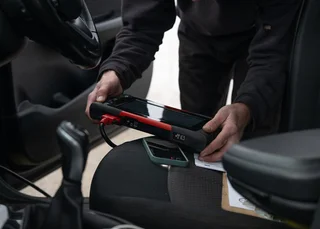
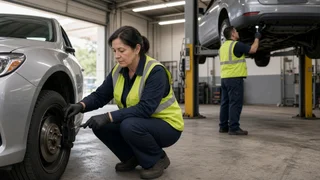
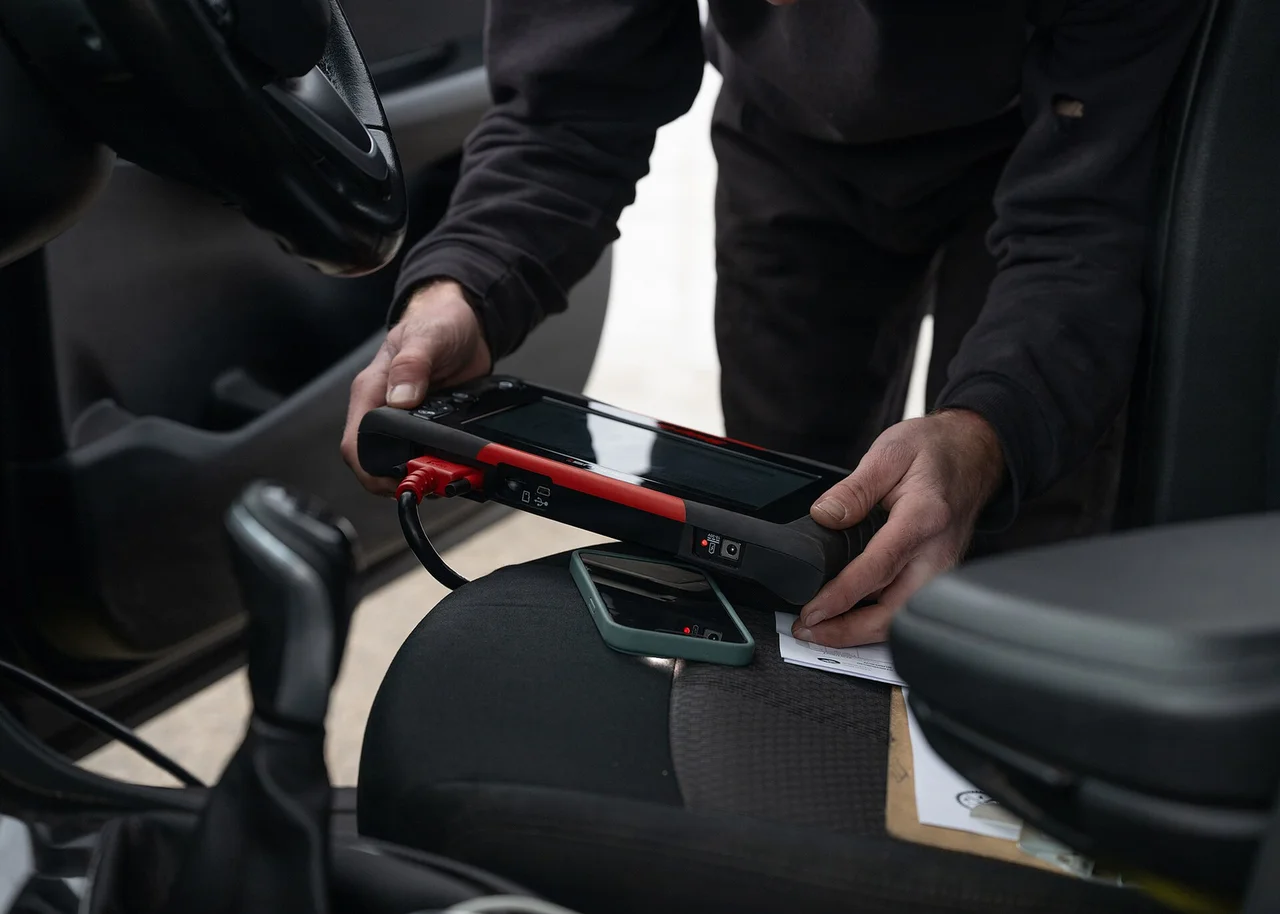
A safety inspection, sometimes called a roadworthiness check, is an examination by a state-authorized inspector or licensed station. It confirms that a vehicle's safety equipment meets the state's minimum standards. Where a state requires one, passing is typically tied to keeping the vehicle legally registered or displaying a valid inspection sticker or certificate.
The specific items checked are set by each state. Inspections commonly focus on equipment that directly affects safe operation:
Brakes, including the parking brake; Steering and suspension components; Tires and wheels; Headlights, brake lights, turn signals and other required lamps; Horn, windshield, wipers and mirrors; Seat belts and, in some programs, other occupant safety equipment
Treat this list as typical rather than definitive. Your state's inspection rules or official inspector manual sets out the exact checklist and pass or fail criteria.
How the requirement differs by vehicle type
Private passenger vehicles fall under state law. Some states run periodic safety inspection programs. Others require inspections only in limited situations, such as when a vehicle is first registered in the state or has been rebuilt after major damage. Some states have no routine safety inspection for private cars at all. States also add, change and repeal programs over time, so information about a particular state can become outdated.
Commercial motor vehicles used in interstate commerce are covered by federal rules from the Federal Motor Carrier Safety Administration. Federal regulations require these vehicles to undergo a periodic inspection at least once a year. Drivers and carriers also have ongoing inspection and record-keeping duties. States may apply similar rules to commercial vehicles that operate only within their borders. If a vehicle is used for business, check whether it meets the federal definition of a commercial motor vehicle before assuming that only the passenger-car rules apply.
Safety inspections versus emissions testing and federal safety standards
Two other requirements are often confused with safety inspections. Emissions testing checks a vehicle's exhaust or emissions-control systems, not its roadworthiness. It is generally required in areas that must meet federal air-quality obligations under the Clean Air Act. Some states therefore require emissions testing but no safety inspection, some require both, and some require only a safety inspection, sometimes just in certain counties.
The Federal Motor Vehicle Safety Standards are the second source of confusion. These standards govern how manufacturers design and certify new vehicles and equipment. They do not create a periodic inspection requirement for owners.
What to confirm for your vehicle
No state-specific intervals, fees, deadlines, exemptions or penalties are included here, because none were confirmed for this article. To know your exact obligations, check your state's motor vehicle agency or state police inspection program. Look for the following:
Whether your vehicle type and location require a safety inspection, an emissions test, both or neither; How often the inspection is required and when it must be completed, including after moving into the state or buying a vehicle; Which stations or inspectors are authorized to perform it; What happens if the vehicle fails, including repair and reinspection rules; Any exemptions, such as those based on vehicle age, class or use; Whether the vehicle counts as a commercial motor vehicle subject to federal inspection rules
Bottom line
US safety inspection requirements are a patchwork rather than a single standard. For private cars, the state of registration decides whether an inspection is required and what it covers. Commercial vehicles in interstate service face federal annual inspection rules. Confirming the current rules with your state agency is the only reliable way to know what applies to your vehicle.