Commercial Vehicle Inspection Week: What It Is and How to Prepare
The short answer
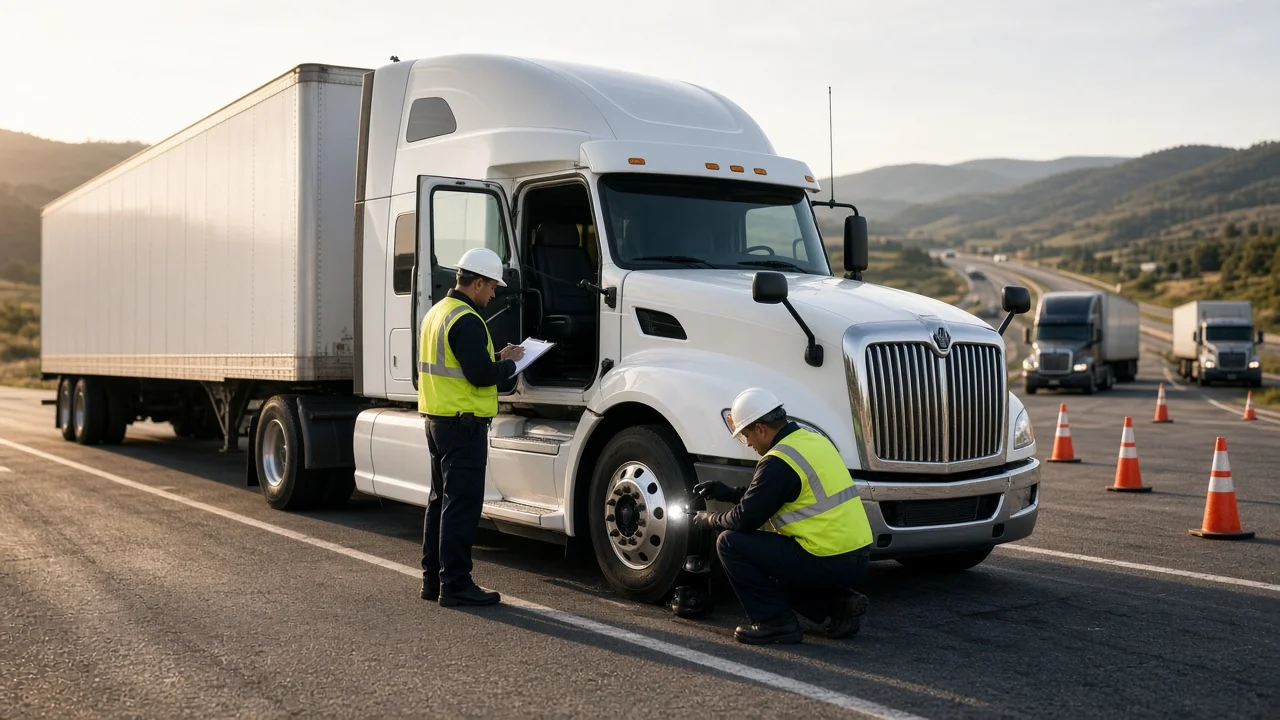
"Commercial vehicle inspection week" is an informal name for the concentrated roadside enforcement campaigns organized by the Commercial Vehicle Safety Alliance (CVSA), a nonprofit group of enforcement agencies and industry representatives across North America. During these periods, inspectors in participating jurisdictions check commercial motor vehicles (CMVs) and their drivers in larger numbers than usual. The best preparation is simply consistent compliance: a well-maintained vehicle, a thorough pre-trip inspection, and complete, current driver and vehicle documents.
One qualification matters: the phrase does not refer to a single official program. People searching for a CMV inspection blitz or a national truck inspection week may mean any of several separate CVSA events, each with a different focus. Dates and emphasis areas are announced by CVSA in advance and can change from year to year. This guide does not include confirmed dates for any specific year, so check the current CVSA announcement before planning around a particular week.
Which events people usually mean
Event | Main focus | What it means for preparation; International Roadcheck | Broad vehicle and driver inspections, usually with an announced emphasis area | Prepare both the vehicle and driver paperwork; review the announced focus area; Brake Safety Week | Brake systems and brake-related components | Pay particular attention to brake adjustment, air system condition and brake component wear; Operation Safe Driver Week | Driver behavior and traffic enforcement | Focus on safe driving practices, as well as standard driver documentation
International Roadcheck is the event most often described as CVSA inspection week. It is a high-visibility, short-duration campaign in which inspectors in the United States, Canada and Mexico conduct inspections, many of them following the North American Standard Level I procedure, which is the most comprehensive roadside inspection and covers both the driver and the vehicle.
How it differs from routine roadside inspections
The inspection standards themselves do not change during these events. Inspectors apply the same regulations and the same CVSA out-of-service criteria, which define conditions serious enough that a vehicle or driver must be taken off the road until the problem is corrected. What changes is the volume and visibility of enforcement, and, for some events, a publicly announced category that receives extra attention.
Some carriers choose to keep vehicles parked during the event. That does not remove compliance obligations, and inspections continue year-round, so avoidance is not a substitute for maintenance and record keeping.
Preparing the vehicle
Vehicle preparation is mainly a matter of confirming that everything a full inspection would examine is in working order. A careful pre-trip inspection, performed and documented as required, catches most issues before an inspector does.
Brakes: check for air leaks, worn or damaged components, proper adjustment and working warning devices. Tires and wheels: look for adequate tread, cuts, bulges, proper inflation and loose or missing fasteners. Lights and reflective markings: confirm headlamps, brake lamps, turn signals and clearance lamps all work, and that reflective material is in place. Coupling devices: inspect fifth wheels, kingpins, safety chains and related hardware for wear and secure connection. Steering and suspension: check for excessive play, broken springs and damaged mounts. Frame and body: look for cracks, broken members or loose parts. Cargo securement: make sure loads are properly blocked, braced and tied down for the cargo type. Leaks and exhaust: look for fuel, oil or coolant leaks and exhaust system damage. Windshield and wipers: check for obstructing cracks and working wipers.
Preparing the driver and documents
Driver-related violations can place a driver out of service even when the vehicle is in good condition. Inspectors typically review credentials and hours-of-service compliance, and requirements can vary by operation type, cargo and jurisdiction.
A valid commercial driver's license with the correct class and endorsements for the vehicle and cargo. A current medical examiner's certificate where required. Accurate hours-of-service records, including a functioning electronic logging device if the operation requires one, and the ability to present records to an inspector. Vehicle registration and any required carrier operating documentation. Shipping papers and hazardous materials documentation when applicable. Recent inspection and maintenance records as required for the vehicle.
What happens if a problem is found
Inspectors may record violations that do not prevent the vehicle from continuing, or they may place a vehicle or driver out of service when a condition meets the out-of-service criteria. Vehicles that pass certain inspections may receive a CVSA decal, which indicates a recent successful inspection. Inspection results can also be reflected in a carrier's federal safety records, which is one reason fleets treat these events seriously.
Gaps in this overview
No confirmed figures were available for this article, so it does not state event dates, durations, emphasis areas, inspection counts or out-of-service rates for any particular year. For those details, consult the current CVSA announcement and the enforcement agency in the relevant state.