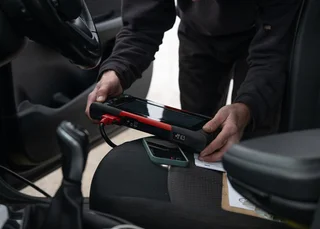
CVSA bus inspection requirements
A CVSA bus inspection is a roadside or facility-level commercial vehicle safety examination that follows uniform inspection criteria developed by the Commercial Vehicle Safety Alliance. For bus operators, understanding what inspectors evaluate can reduce out-of-service orders and keep passengers moving. These checks focus on driver credentials, vehicle identification, brakes, steering, suspension, lighting, and emergency exits. While some details vary by jurisdiction, the general purpose is consistent: verify that a bus is fit for public road use. Passing a CVSA inspection supports a clean safety record and helps maintain a valid test certificate or equivalent inspection documentation for the fleet.
Essential answer
The essential answer is that CVSA bus inspection requirements are a set of standard inspection criteria used across North America to evaluate commercial buses during roadside checks. Inspectors look at the overall mechanical condition of the vehicle and the driver’s documentation. The goal is not to fail every small cosmetic issue but to catch defects that create an immediate risk. Because buses carry passengers, inspectors often pay special attention to brake adjustment, tire condition, steering components, suspension hardware, and emergency exits. The exact items checked can depend on the level of inspection and the enforcement agency conducting the stop.
A typical Level I inspection includes a full vehicle inspection and a driver inspection. The vehicle identification, registration, and operating authority are checked first. Then the inspector examines the outside and underside of the bus, often using a creeper or pit. Brake stroke measurements, air system pressure, wheel fasteners, and structural frame condition are common focus areas. If a serious defect is found, the bus may be placed out of service until it is repaired. That status is not proof that a specific part has failed; it is an enforcement judgment based on observed condition during that inspection.