Choosing Motorcycle Passenger Grab Handles
The short answer
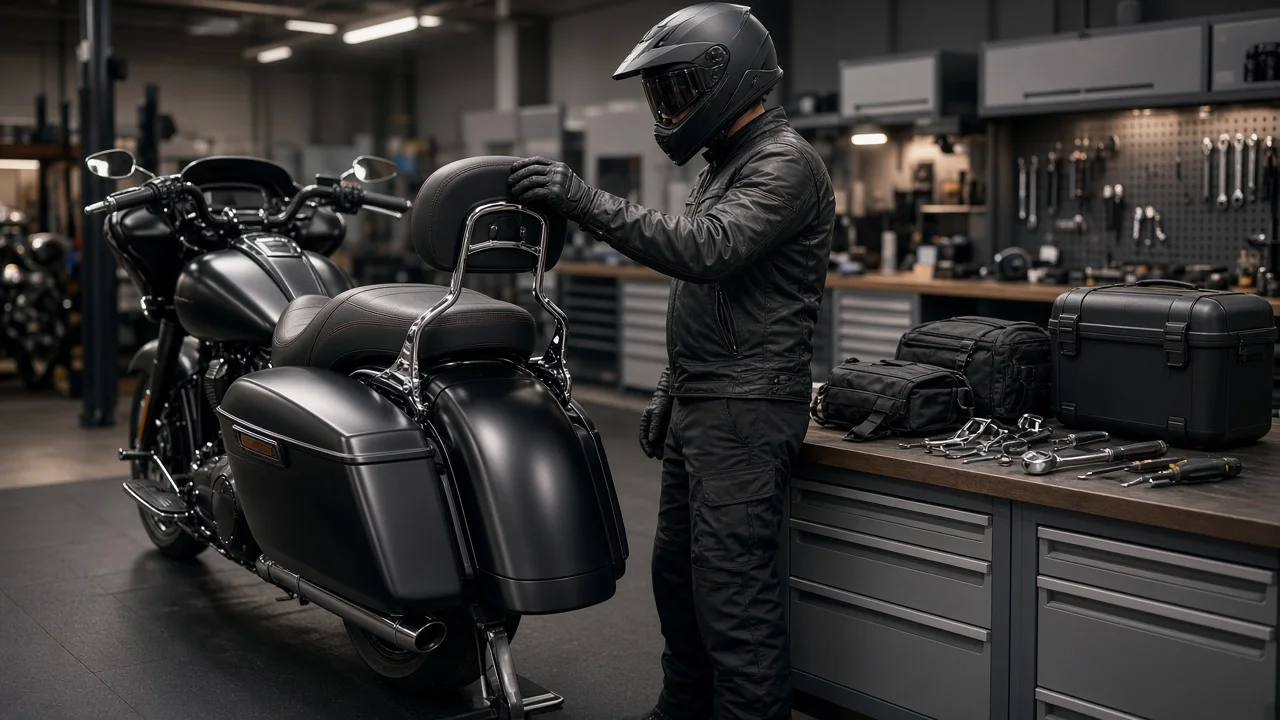
The right passenger grab handle is one built for your exact motorcycle and mounted to the frame or subframe at manufacturer-intended points. It should give your passenger a secure, comfortable hold without getting in the way of luggage, the exhaust or the rear lighting. If your bike already has a factory grab rail in good condition, a replacement is usually only worth buying to add something the original lacks, such as a better grip shape, a luggage mount or compatibility with a rack. If your bike has no handhold at all, or only a seat strap, adding a frame-mounted handle is the more meaningful upgrade.
Two conditions change this advice. If you plan to fit saddlebags, a top case or a luggage rack, choose the handle and the luggage system together, because many rails and racks share the same mounting points. If the handle is sold as a universal fit rather than for a specific model, treat compatibility as unconfirmed until you have checked the mounting points yourself.
Common types of passenger handholds
Knowing the main formats helps you read product listings and judge what your bike can accept.
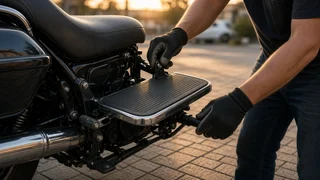
Rear grab rail: a single bar or loop bolted to the subframe behind or beside the passenger seat. This is the most common factory and aftermarket format. Split side handles: separate grips on each side of the tail, often found on sport and naked bikes where the tail is narrow. Seat strap: a strap across the passenger seat. It needs no extra hardware but offers a less secure hold, especially under braking. Combined rail and rack: a grab handle that also forms a luggage platform or a mounting plate for a top case. Rider-worn grab belt: a belt the rider wears with handles for the passenger. It fits any bike, but the passenger's weight is pulled through the rider's body rather than the motorcycle's frame.
What to check before you buy
Exact fitment to your motorcycle
Confirm that the handle is listed for your make, model, model year and, where relevant, trim and market. Tail sections, subframes and bodywork can change between model years or between versions sold in different regions, even when the model name stays the same. A rail listed for one year may not line up with the bolt holes on another. If a listing covers a range of years, check whether a mid-cycle update falls within that range.
How and where it mounts
A passenger handle has to carry real loads when the rider brakes hard or accelerates, so the mounting matters more than the appearance. Prefer designs that bolt to the frame or subframe at existing, purpose-made points. Be cautious about handles that attach only to plastic bodywork or to seat hardware, as those parts are not designed to take a passenger's weight. Check whether the handle replaces your factory rail, mounts alongside it, or requires removing other parts such as the tail cowl or rear grab plates.
Compatibility with luggage and other accessories
Many luggage racks, top-case plates, saddlebag supports and backrests use the same mounting points as the grab rail. Before buying, list the accessories you already have or plan to add and confirm that the handle works with them. Also check clearance around the exhaust, rear indicators, licence plate holder and tail light, particularly on bikes with high-mounted or side-exit exhausts.
Fit for your passenger
A handle is only useful if your passenger can reach it comfortably while seated and holding on in a natural position. Consider your usual passenger's arm length, the seat shape, and the position of the passenger footpegs. Grip thickness, texture and shape affect comfort on longer rides, and handles placed too far back can force an awkward, stretched posture. If possible, have your passenger sit on the bike and try reaching where the handle would sit before you order.
Load rating and intended use
Check whether the manufacturer states what the handle is rated for. Some rails are designed only as passenger handholds, while others are also approved for luggage or as tie-down points. Do not use a handle as a luggage carrier or lifting point unless the maker says it is suitable. Also check your owner's manual for the motorcycle's maximum payload, which covers rider, passenger, luggage and accessories combined.
Materials and finish
Passenger handles are commonly made from steel, aluminium or cast alloy, with painted, powder-coated, anodised or chrome finishes. Steel tends to be heavier and stiffer; aluminium is lighter. For bikes ridden through winters or near the coast, a durable corrosion-resistant finish is worth prioritising. If you care about matching the bike's look, check the finish against the existing hardware rather than relying on product photos alone.
Condition, if buying used
For secondhand rails, inspect for cracks, especially around welds and mounting tabs, as well as bends, stripped or enlarged bolt holes and corrosion under the finish. A rail that came off a crashed bike may be distorted in ways that are hard to spot. Make sure the correct mounting hardware is included or that you can source it.
Legal requirements
Rules on equipment for carrying a passenger vary by US state and can cover items such as a passenger seat, footrests and handholds. Check your state's current requirements before removing a factory handhold or relying solely on a seat strap or rider-worn belt.
Costs beyond the price tag
No verified prices were available for this guide, so compare current listings yourself. When you do, account for the full cost of getting the handle on the bike, not just the advertised price of the part.
Mounting hardware: confirm bolts, spacers and brackets are included; some kits need parts sold separately. Installation: some rails bolt straight on, while others require removing bodywork or the seat. Factor in shop labour if you will not fit it yourself. Knock-on parts: changing the rail may mean buying a different luggage plate, rack or tail tidy to keep everything compatible. Shipping and returns: check return terms in case the fitment turns out to be wrong. Price context: when comparing quotes, note the seller, date, currency and what is included, and remember that an advertised price is not necessarily what the part actually sells for, particularly for used items.
Installation points to keep in mind
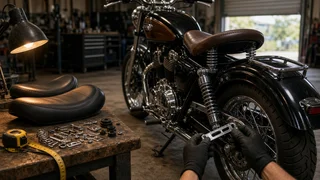
Follow the handle manufacturer's instructions and use the fastener torque values specified for your motorcycle or the kit, which you can find in the service manual or the installation guide. Use threadlocker where the instructions call for it. After fitting, check that the handle is solid with no movement, that nothing rubs against bodywork or cables, and that lights and indicators remain fully visible. Recheck the bolts after the first few rides, as fasteners can settle.
Gaps to fill before deciding
This guide does not include specific prices, dimensions, load ratings or model-by-model fitment data, because no verified figures were available. Before buying, get the exact fitment list, stated load rating and included hardware from the manufacturer or seller, and confirm compatibility with any luggage you use. Those details will decide whether a particular handle suits your bike and your passenger.