Chevrolet Equinox Transmission Identification: How to Confirm Which Unit Your Vehicle Has

Identifying the transmission in a Chevrolet Equinox matters when you order parts, choose the correct fluid, compare used vehicles or follow up on a service bulletin. The Equinox has been sold across several generations with different engines and drivetrains, so no single answer covers every vehicle. This guide explains where identification information is usually found and how to confirm it for your specific vehicle.
The Short Answer
There is no one Equinox transmission. The unit fitted depends on the model year, generation, engine and sometimes the drivetrain, meaning front-wheel drive or all-wheel drive. To identify the transmission in a particular vehicle, combine three sources: the vehicle's build option codes, the identification markings on the transmission itself, and records tied to the vehicle identification number (VIN).
Evidence gap: the source material for this article did not include a confirmed list matching Equinox model years and engines to specific transmission models, codes or specifications. For that reason, this guide does not name transmission models by year. Confirm those details with a Chevrolet dealer, the factory service information for your vehicle, or a parts catalog that looks up parts by VIN.
Why Model Year and Powertrain Change the Answer
A transmission is matched to the engine and drivetrain it works with. When an automaker changes engines between generations, or offers more than one engine in the same year, the transmission often changes as well. Two Equinox vehicles that look nearly identical can use different transmissions, different internal parts and different fluid specifications. Parts that appear similar may still not be interchangeable, which is why confirming the exact unit matters before you buy parts or fluid.
How to Find and Recognize Your Equinox Transmission
The methods below are commonly used on General Motors vehicles. Exact label locations and marking formats vary by model year and generation, so check them against the owner's manual or factory service documentation for your vehicle.
1) Service Parts Identification Label
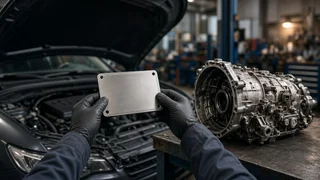
Many GM vehicles carry a Service Parts Identification label that lists the vehicle's Regular Production Option (RPO) codes. RPO codes are short alphanumeric codes, usually three characters, that record factory equipment, including the engine and transmission. On many GM vehicles this label is inside the glove box, though some models place it elsewhere or omit it. The owner's manual usually states where it is.
The label lists many codes, and the transmission code is not marked as such. To find which code refers to the transmission, use an RPO code reference from GM service information or ask a dealer's parts department. Do not guess from the code alone, because similar-looking codes can refer to unrelated equipment.
2) Vehicle Identification Number
The 17-character VIN identifies the vehicle and encodes details such as the manufacturer, model year and engine. On vehicles sold in the US it is typically visible through the windshield at the lower driver-side corner, on a label on the driver's door jamb, and on the title and registration.
The VIN often does not identify the transmission directly. However, it is the most reliable key for looking up the original build configuration. A dealer's parts or service department, or a VIN-based parts catalog, can use it to show the transmission the vehicle was built with.
3) Markings on the Transmission Case
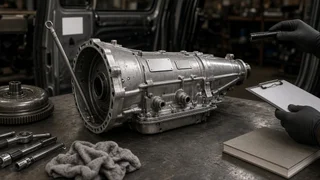
Transmissions usually carry an identification tag, sticker or stamped code on the case. These markings can include a model or build code and a serial number. Their location depends on the transmission design. They are often on the outside of the case where they can be hard to see with the unit installed, and they may be covered by dirt, heat shields or other components.
Case markings are especially useful when a transmission may have been replaced, because the build records describe the original unit, not necessarily the one installed now. Reaching these markings can require raising the vehicle safely. If you cannot do that, a repair shop can read them during an inspection.
4) Service and Ownership Records
Repair invoices, warranty records and dealer service history may show the transmission type or record a replacement. For a used vehicle, ask the seller for these records. A transmission replacement listed in the history is a strong signal to check the case markings rather than relying only on the original build data.
Commonly Confused Items
Transmission versus drivetrain: front-wheel drive and all-wheel drive describe which wheels receive power, not which transmission model is fitted. An all-wheel-drive vehicle has extra components, such as a power transfer unit and rear drive module, that are separate from the transmission. RPO code versus case code: the RPO code on the parts label describes factory equipment, while the code on the transmission case identifies the physical unit. They use different formats and may not match character for character. VIN engine digit versus transmission: the VIN commonly identifies the engine, but knowing the engine does not always pin down the transmission, particularly across model years. Original versus installed unit: build records describe how the vehicle left the factory. A replacement transmission, whether new, remanufactured or used, may carry different markings.
Recommended Steps Before Buying Parts or Fluid
Write down the full VIN and the model year. Locate the Service Parts Identification label, if present, and photograph it. Ask a dealer parts department or use a VIN-based parts catalog to confirm the original transmission and the specified fluid. If the transmission may have been replaced, have its case markings checked. Confirm the transmission fluid specification in the owner's manual or factory service information rather than relying on general advice for the model name.
Bottom Line
Identifying an Equinox transmission comes down to confirming the specific vehicle rather than the model name. The VIN and the Service Parts Identification label establish the factory configuration, and the markings on the transmission case confirm what is actually installed. Because specific transmission models, codes and specifications by model year were not available for this guide, verify them with a dealer or factory documentation before buying parts, choosing fluid or making a purchase decision.