Car won't start after replacing ignition coil
A no-start immediately after installing a new ignition coil is frustrating, especially when the old component appeared to be the problem. The new part itself is not always at fault. The repair may have disturbed a connector, fuse, or low-voltage trigger wire, or revealed an unrelated issue in the starter circuit or fuel delivery. A careful post-repair inspection should separate installation errors, wiring faults, and conditions that happened to occur at the same time. The key is to check what changed during the job before replacing more parts.
Direct answer
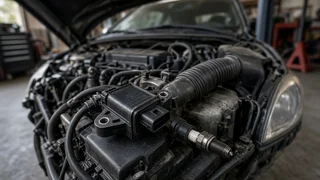
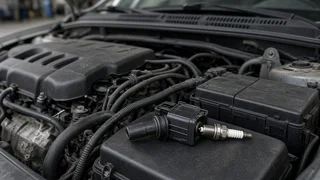
When a car won't start after replacing an ignition coil, the first suspects are the connections that were touched during the work. A coil that is not fully seated, a loose electrical plug, a damaged trigger wire, or a blown ignition fuse can stop spark and prevent starting even though the new component is good. Confirm that the wiring connector clicks into place and that no pin was pushed out or bent. Compare the old and new coil mounting surfaces to ensure the coil boot and terminal make firm contact with the spark plug or wiring harness.
If the cranking speed is normal but there is no catch or combustion, check the firing order and low-voltage circuit for that cylinder or coil pack. A swapped trigger lead on a multi-coil setup can put spark at the wrong time. If the engine cranks slowly, the no-start may instead point to battery state of charge or a weak ground. A diagnosis should compare cranking sound, spark at the plug, and fuel delivery rather than assume the replacement coil is defective.