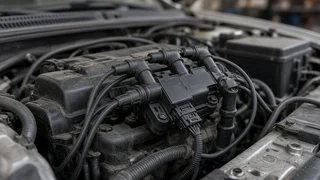
Can a Bad Ignition Coil Cause a Car Not to Start
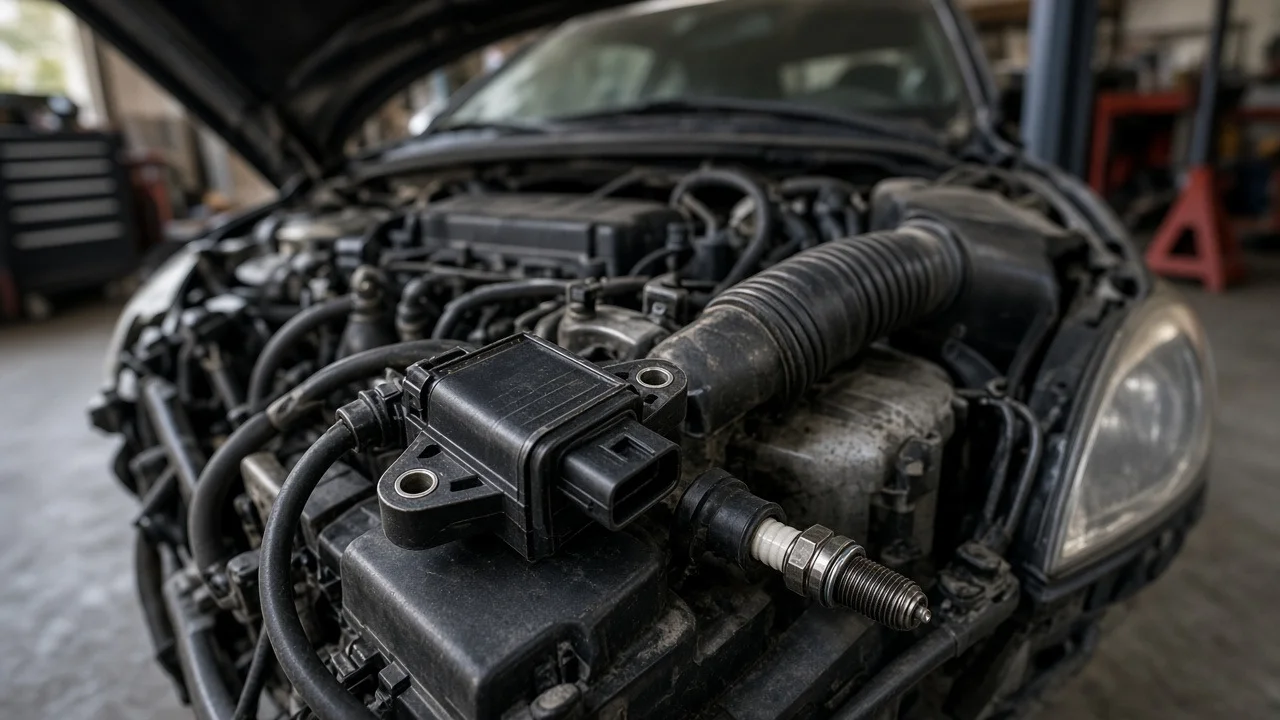
A car that cranks but will not fire can point toward several systems, yet the ignition coil is often an early suspect. When one or more coils fail, the high-voltage spark needed to ignite the air-fuel mixture may disappear. The result can range from rough running and misfires to a no-start condition, especially on engines using fewer coils. Understanding how coil health interacts with the starter circuit, battery state of charge, and fuel delivery helps narrow the diagnosis before replacing parts.
Essential answer
Yes, a bad ignition coil can prevent a car from starting when the failure removes spark from enough cylinders. During cranking, the starter circuit spins the engine while the ignition system triggers each coil. If the primary or secondary winding inside a coil is damaged, it may not build the voltage needed to jump the spark plug gap. On a single-coil distributor system, one failed coil can stop spark entirely. On coil-on-plug engines, multiple failed coils or a shared power or trigger problem can create the same no-start symptom.
A no-start complaint should not immediately condemn the coil, because cranking speed and battery state of charge can mimic weak spark. A slow-spinning engine may still crank but not create a clean trigger signal for coil discharge. Technicians distinguish no spark from no fuel by using diagnostic checks at the plug or coil connector. If fuel delivery is present and compression is adequate, consistent absence of spark while cranking strongly supports an ignition coil or related circuit issue. Confirm the failure before replacement, since a fault code alone may point to a circuit rather than the coil itself.