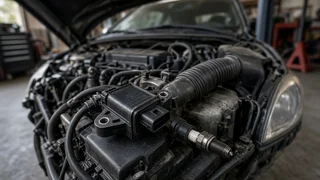
Can a Bad Ignition Coil Cause a No-Start
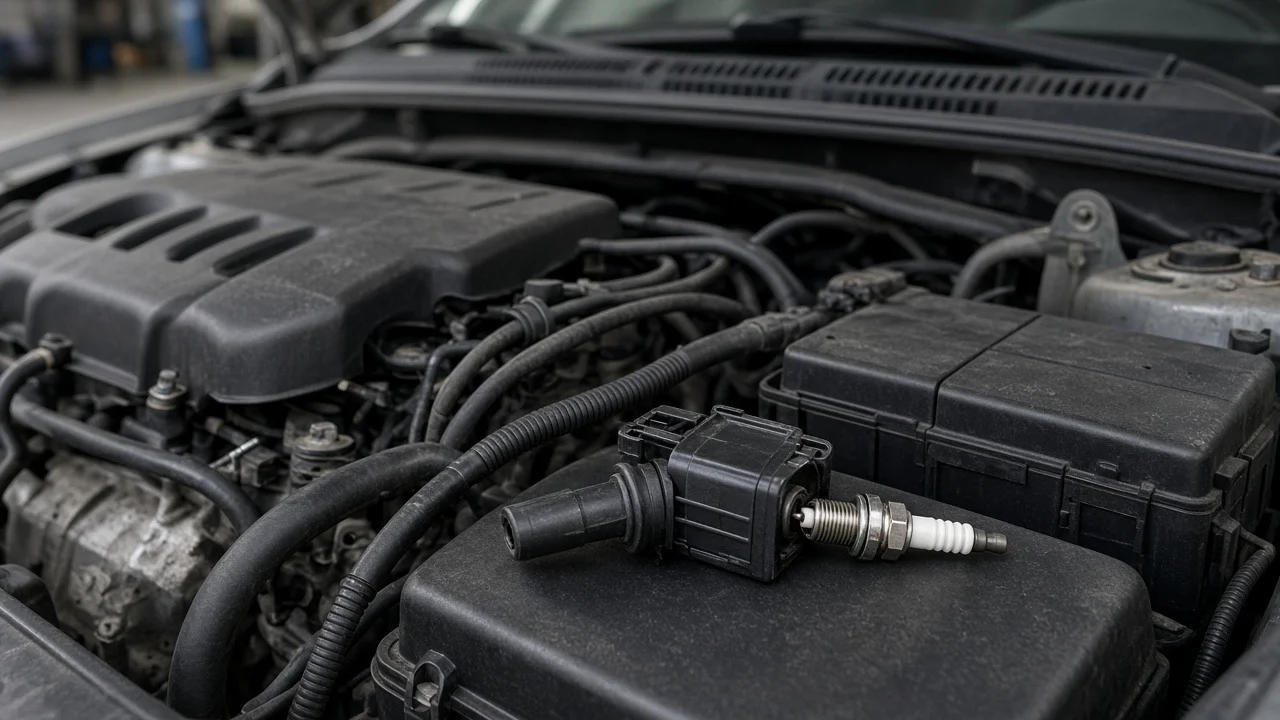
A no-start condition can feel alarming, but the cause is often traceable through a few fundamental systems. The ignition coil transforms low battery voltage into the high-energy spark needed to ignite the air-fuel mixture. If it fails, the engine may crank normally without firing. This article explains how a faulty coil can prevent starting, how to distinguish it from other issues, and what diagnostic checks help narrow the problem.
Essential answer
Yes, a bad ignition coil can cause a car not to start. The coil is responsible for stepping up the battery’s low voltage to the thousands of volts required to jump the spark plug gap. Without that high-voltage discharge at the correct moment, the combustion chamber never receives a spark, so the engine may crank continuously without catching. On engines with a single coil, total failure often produces a no-start. On coil-on-plug systems, one failed coil usually causes a misfire unless multiple coils have failed or a shared driver is damaged.
However, the no-start symptom is not unique to the ignition coil. The starter circuit, battery state of charge, fuel delivery, ignition switch, and cranking speed must also be considered. A weak battery can spin the engine too slowly while still producing some crank sound, and that can be mistaken for a coil failure. Diagnostic checks should confirm whether spark is absent, whether fuel pressure is present, and whether the engine cranks at normal speed before condemning the coil. A fault code may indicate a misfire or ignition circuit issue, but it is evidence to interpret rather than proof that the coil itself has failed.