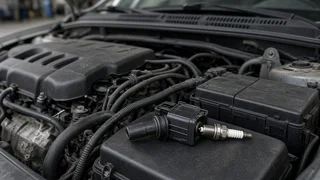
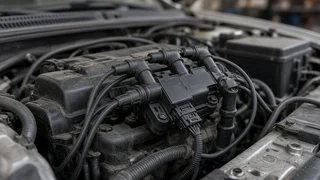
Bad ignition coil symptoms: shaking and no-start
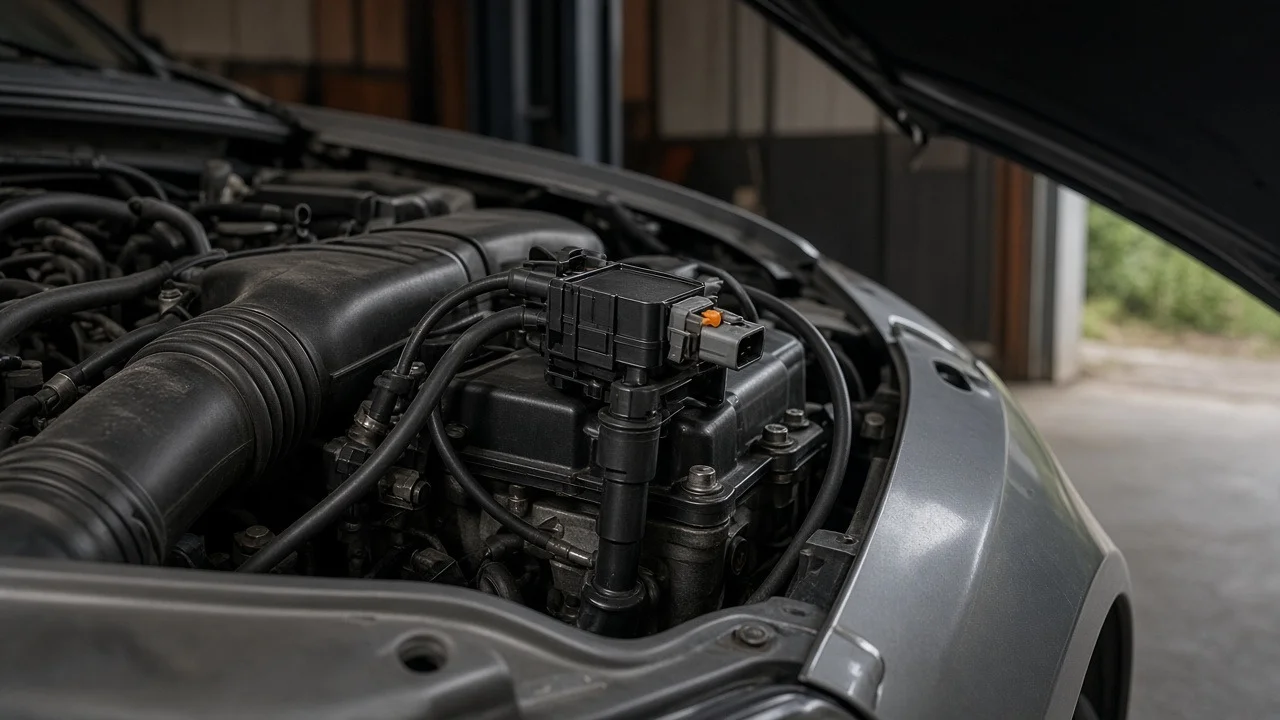
A rough idle that shakes the car often points to a cylinder making weak or no power, and a failing ignition coil is a common reason the spark becomes too feeble. When the misfire is severe, the same voltage loss can leave the engine cranking without catching, so an ignition coil car wont start condition may appear suddenly. Because the coil must transform battery voltage into a high-energy spark, any internal short or open winding can disrupt combustion across more than one operating condition.
Direct answer
Yes, an ignition coil can cause car shaking and a no-start. The coil is part of the secondary ignition circuit, where it steps up primary voltage and sends a timed spark to the plug. If the coil fails under load, one cylinder may stop contributing, creating the rhythmic shudder that drivers describe as ignition coil car shaking. In wasted-spark or coil-on-plug systems, one faulty coil can affect paired or adjacent cylinders, amplifying the vibration.
A completely dead coil may also explain an ignition coil cause car not to start when the engine has spark loss on enough cylinders. However, shaking and no-start can also come from a weak battery state of charge, slow cranking speed, an open starter circuit, or a failed ignition switch that prevents the primary side from energizing. Fuel delivery faults can mimic coil failure, so the coil is a strong suspect but not the only possible source.
Interpreting symptoms and test results
Begin by separating a live symptom from a stored diagnostic clue. A fault code for a cylinder misfire or coil circuit is a useful direction, but it does not prove the coil is bad. Wiring, connector corrosion, a fouled plug, or a driver fault can produce the same code. Check whether shaking occurs under load, at idle, or only when warm, because heat-sensitive coil breakdown often worsens as internal resistance rises with temperature.
The most informative checks are comparative and conditional. If moving a suspected coil to another cylinder moves the misfire, the coil is likely the fault. If the misfire stays on the original cylinder, inspect the spark plug, injector, and compression path. A no-start with normal cranking speed points toward ignition or fuel delivery, while slow cranking suggests battery or starter circuit problems. Observing spark on a known-good plug can help separate coil output from plug and cylinder issues.