Can you add a turbocharger to any car
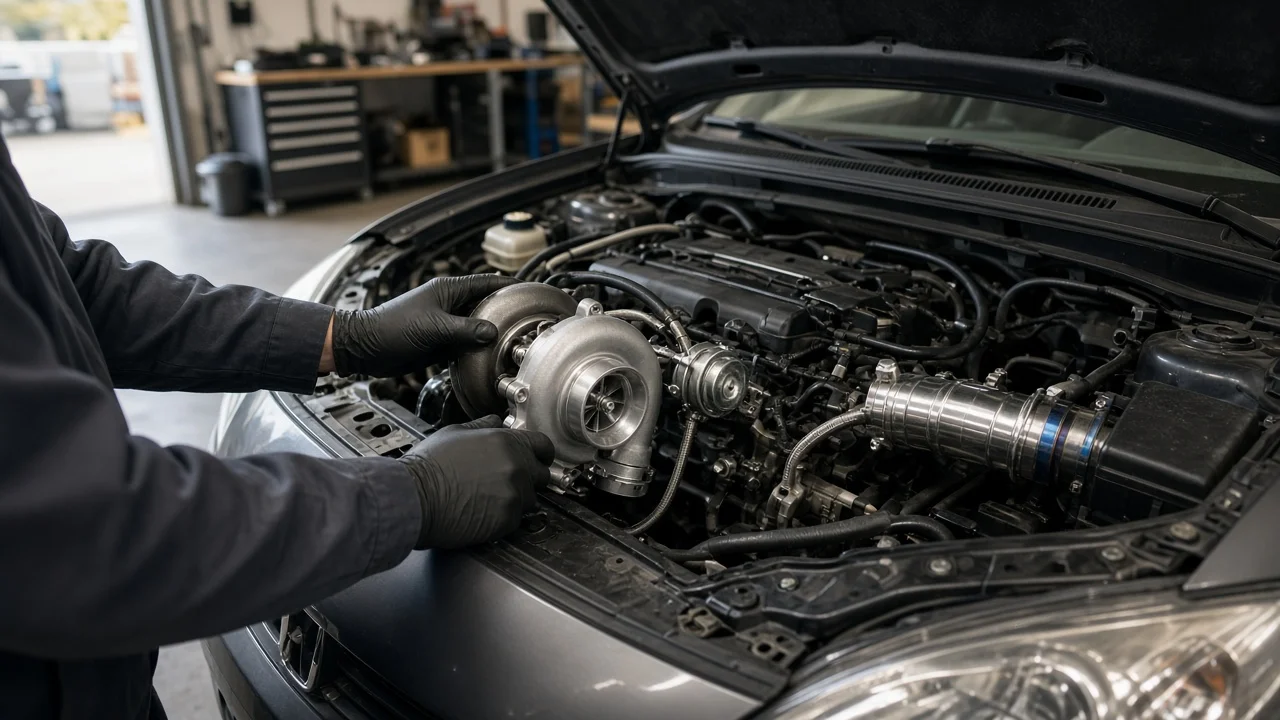
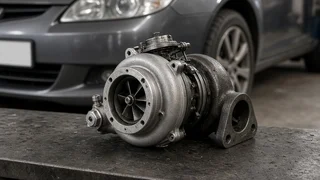
Adding a turbocharger is possible, but not on every car without significant supporting work. A turbo uses exhaust energy to spin a compressor that raises boost pressure above atmospheric, so the engine, fuel system, and engine management must tolerate the additional airflow and heat. The realistic answer depends on the vehicle’s starting hardware, intended power level, and whether you can fabricate or source the necessary intake, exhaust, oil, and cooling connections. This overview explains what materially changes that yes-or-no answer without inventing exact fitments or costs.
Essential answer
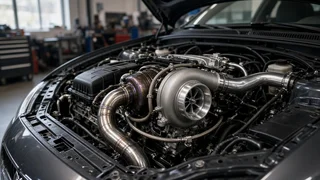
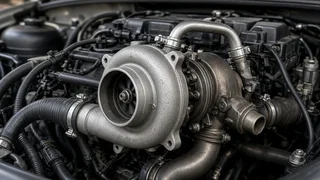
You cannot simply bolt a turbocharger onto any car and expect it to run correctly. A turbocharged setup pressurizes the intake, and that added density stresses pistons, rods, head gaskets, fuel injectors, and the ECU calibration. Some engines have strong internals, low static compression, or factory turbo variants that make the conversion straightforward. Others have high compression, weak cast components, or tightly packaged engine bays that complicate the compressor outlet routing, hose connections, and heat rejection. The answer is therefore qualified: many cars can be turbocharged, but the project scope changes dramatically by platform.
The presence of oil supply and drain provisions also matters. A turbo needs clean pressurized oil, and the return line must avoid oil contamination or restriction that could damage bearings. On engines without convenient access, adding lines may require drilling or using adapter points, while some vehicles have factory blanking plugs. Boost pressure, charge-air temperature, and pressure loss in the piping are not fixed values; they depend on turbo sizing and installation quality. Because these parameters determine whether the engine survives, a yes in principle can become a no for a stock vehicle without supporting modifications.