Can Battery Terminal Corrosion Stop a Car from Starting
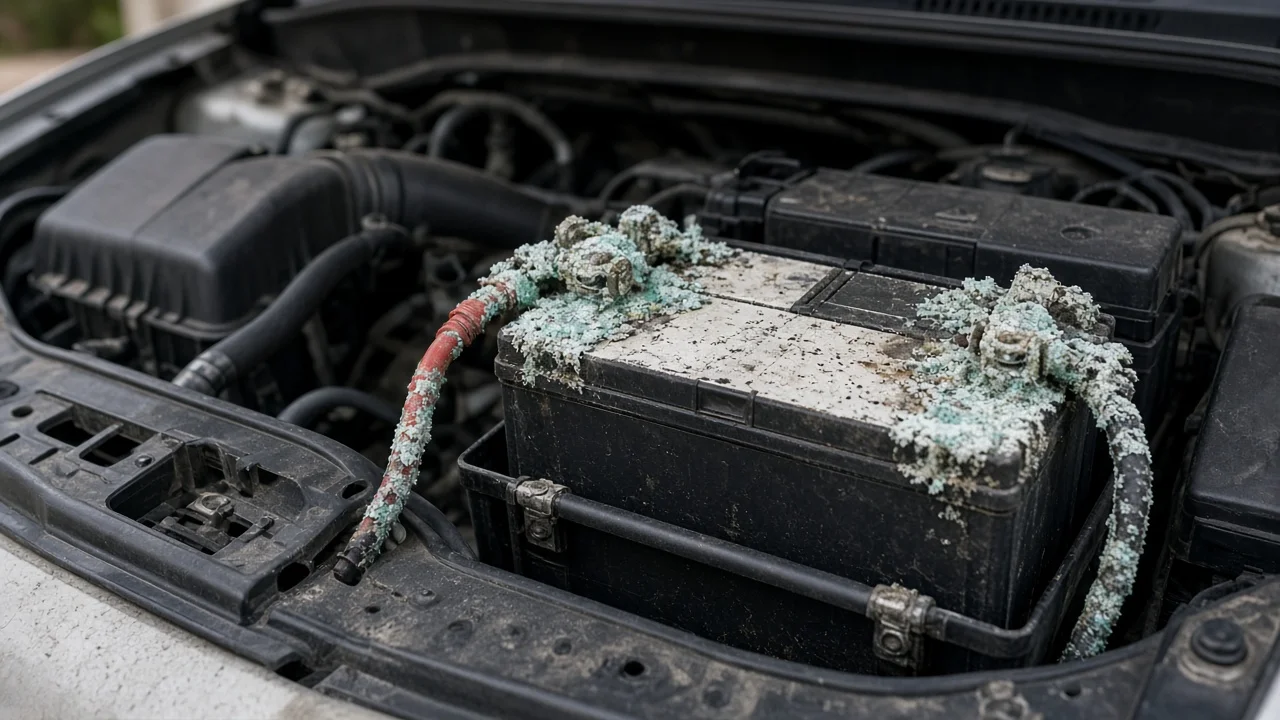
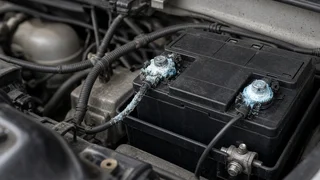
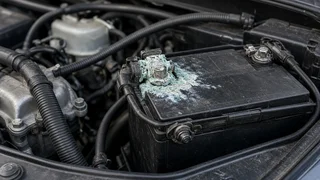
A no-start can feel sudden, but the cause is often sitting right on top of the battery. The question “Can battery terminal corrosion stop a car from starting?” has a clear answer rooted in how the starter circuit works. When a crusty blue-white deposit builds up between the cable clamp and battery post, it creates electrical resistance where the vehicle needs maximum current. That resistance can mimic a dead battery, slow the starter, or prevent cranking entirely. Understanding the symptoms, the circuit behavior, and the limits of a visual diagnosis helps you separate a simple connection problem from something deeper such as a failed ignition switch or fuel delivery issue.
Essential answer
Battery terminal corrosion can prevent a car from starting, especially when the deposit forms a hard crust between the post and the cable clamp. The starter circuit depends on a low-resistance connection because the starter motor can draw several hundred amps for the first instant of cranking. Corrosion acts like a partial open in that high-current path. In mild cases, the vehicle may click or crank slowly. In severe cases, the corrosion can block enough current that the starter solenoid will not engage, leaving the dashboard lights on while the engine refuses to rotate.
The distinction between a discharged battery state of charge and a corroded connection matters because both can cause slow cranking speed, but the repair differs. A battery with a low state of charge often needs recharging or replacement, while a corroded terminal may only need cleaning and tightening. Before replacing expensive parts, a practical diagnostic check is to inspect the clamp-to-post junction for swelling, white-blue fuzz, or green residue. If corrosion is visible and the cable is loose or hot after a start attempt, the terminal connection is a likely contributor to the no-start.