How to Clean Corrosion off Car Battery Terminals
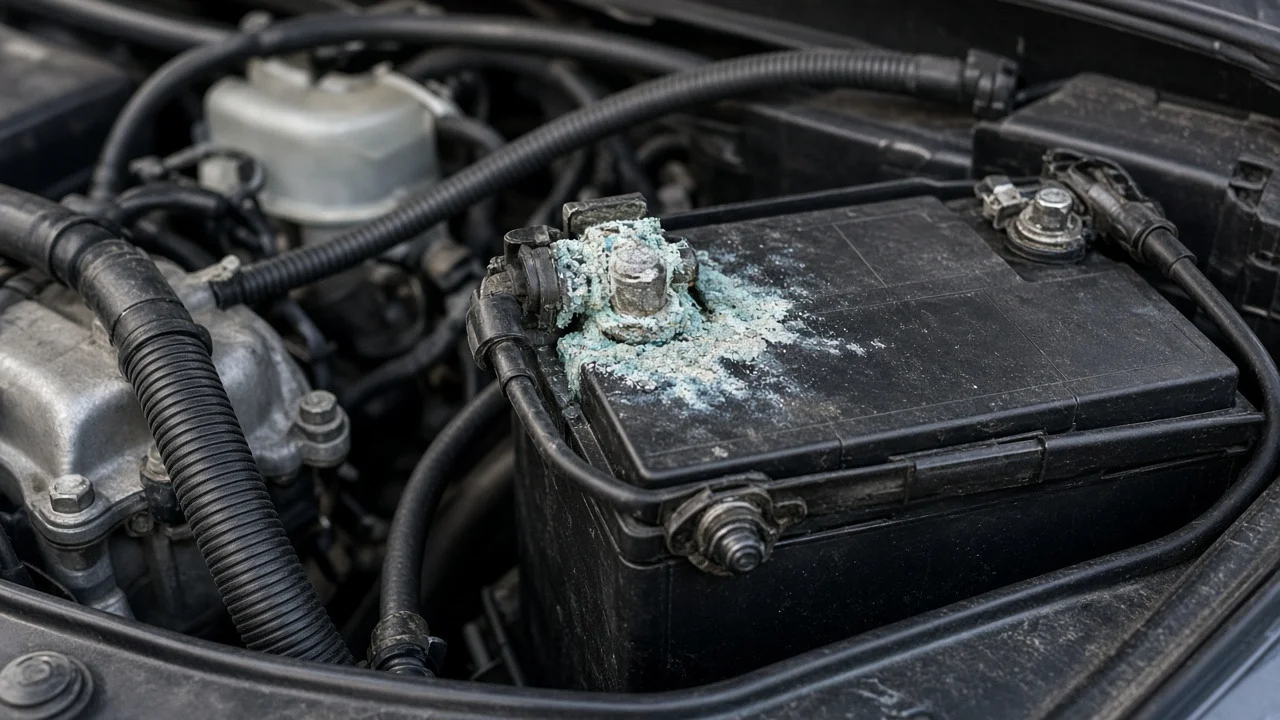
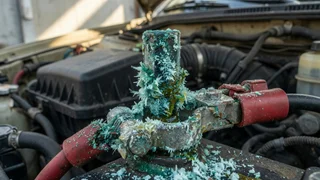
Corrosion on car battery terminals appears as a chalky white, blue, or green crust that can interfere with starting and charging. The essential repair is to neutralize the acidic residue, remove the buildup, clean the contact surfaces, and protect the posts so the electrical connection remains stable. This task is usually simple, but it requires care because the battery stores substantial energy. Working deliberately with basic supplies restores reliable voltage flow and helps prevent the slow cranking or intermittent electrical behavior that often accompanies a corroded connection.
Direct answer
To clean car battery terminal corrosion, disconnect the cables and neutralize the residue with a baking-soda solution, then scrub the posts and clamps with a wire brush. After rinsing carefully and drying the area, reconnect the connections tightly and apply a protective coating to slow future buildup. The guiding principle is that the crust is a reaction product, not simply dried dirt, so removing it mechanically is only part of the job. Neutralizing the acidic material first reduces the chance that hidden residue continues attacking the metal surfaces under the clamp.
The exact method depends on the severity of the buildup and how firmly the terminal is stuck. Light powder responds to brushing and a dedicated cleaner, while heavy accumulation may require soaking and a terminal puller. A weak or intermittent connection raises voltage drop across the joint, so the battery may test acceptably yet still struggle to deliver cranking current. Because the corrosion acts as an unintended resistance layer, cleaning restores the low-resistance path the starter expects when the key is turned.
How to proceed
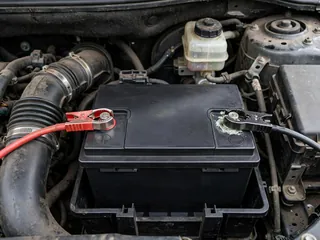
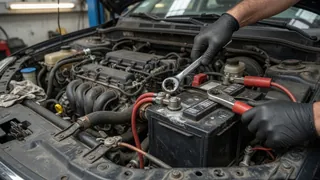
Begin with the ignition off and the key removed. Identify the negative terminal first, usually marked with a minus sign and a black cable, and loosen its clamp with the correct wrench. Lift the negative cable away and secure it so it cannot spring back against the post. Then disconnect the positive cable. This order reduces the chance of a tool bridging the positive terminal to the vehicle body while the ground path is still connected. If the clamp is fused to the post by severe corrosion, apply a commercial penetrating terminal cleaner or a light baking-soda solution and allow it to work before using light side pressure rather than prying forcefully.
Mix a small amount of baking soda in warm water and dip an old toothbrush or terminal brush into it. Spread the solution over the terminal and cable clamp until the fizzing subsides, which indicates the crust is being neutralized. Scrub all contact faces, including the inner clamp surface and the post body, then rinse with a modest amount of clean water and dry the parts thoroughly. Reinstall the positive clamp first, followed by the negative, and confirm each is snug without being overtightened. A thin application of terminal protectant on the outer surfaces after reconnection helps the battery maintain stable charging output by slowing the return of the contamination.