Ignition terminals
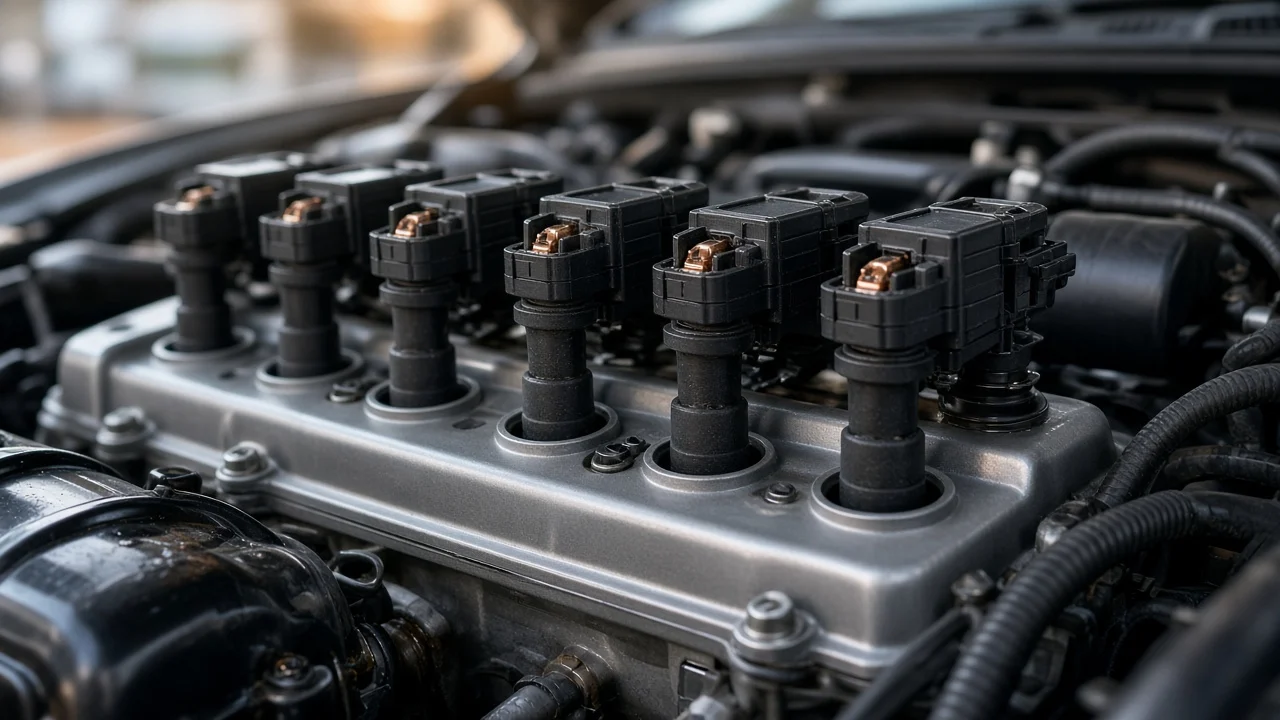
Ignition terminals are the electrical contact points where wiring meets the components responsible for starting and running an engine. A no-start or misfire often leads back to corrosion, looseness, or heat damage at these connections. Because the starter circuit draws high current, even a small resistance change at a terminal can reduce cranking speed or prevent the ignition switch signal from reaching the coil. Understanding how these terminals work helps you separate a worn connector from a deeper fault in fuel delivery or battery state of charge.
Essential answer
Ignition terminals are the conductive posts, spades, or threaded studs on ignition components such as the coil, ignition switch, distributor, or control module. Their job is to carry low-voltage control signals and, in some designs, high-voltage primary current without overheating or arcing. When a terminal loosens, its contact area shrinks and resistance rises, which can mimic a failing sensor or a weak coil by interrupting the trigger signal to the ignition system.
The subject also includes the mating connectors in the wiring harness. A vehicle may crank normally yet still refuse to start if the ignition switch terminal for the run position is burned or pushed back in its plastic housing. Diagnostic checks should therefore treat these terminals as a shared boundary between the starter circuit, battery state of charge, and ignition control, rather than as a standalone part. Each manufacturer-dependent code or symptom still requires confirmation at the actual connector before a part is replaced.