How to Prevent Car Battery Terminal Corrosion
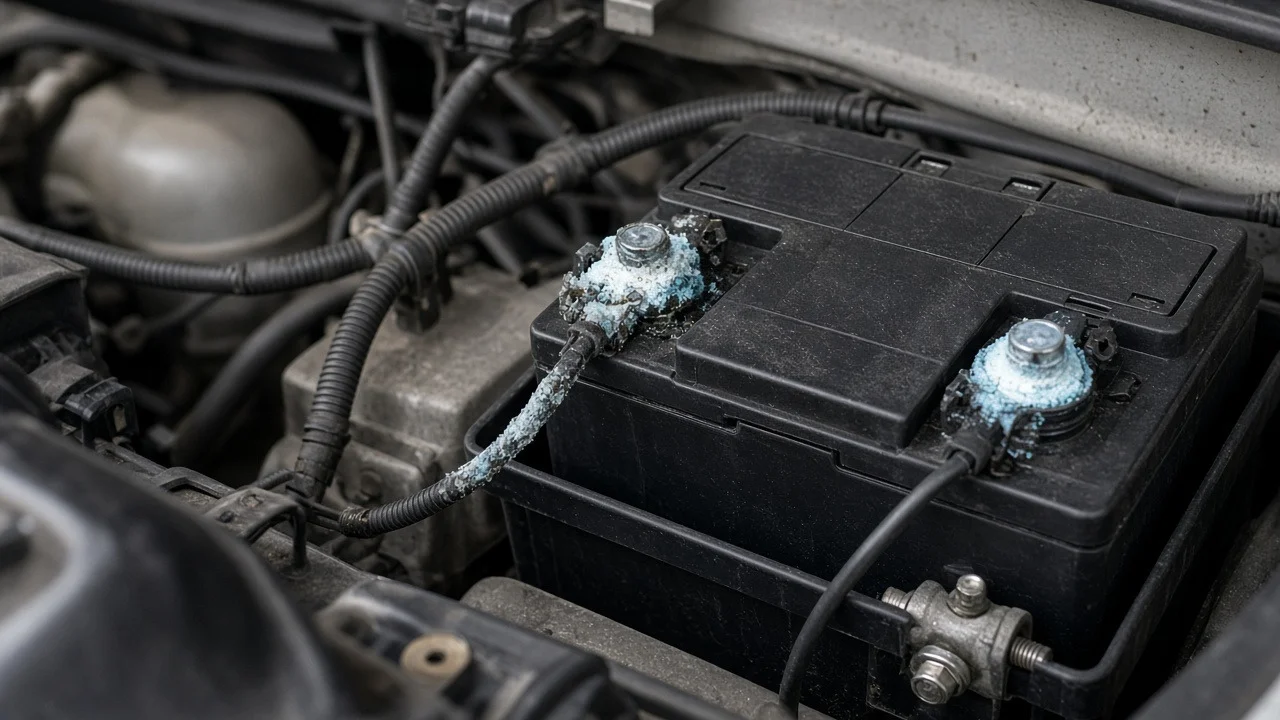
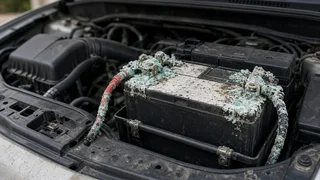
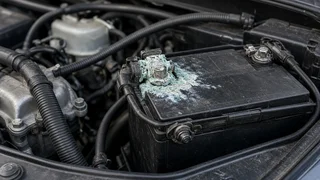
Blue or white crust accumulating around a battery post is more than a cosmetic nuisance: it creates resistance that can mimic a failing battery or starter. Preventing that buildup keeps the charging and cranking circuits stable. The most direct approach is to keep the terminal connection clean, dry, and protected with a dedicated corrosion inhibitor after confirming the battery is not overcharging or leaking. A routine visual check catches early fuzz before it blocks current flow or eats into the cable end.
Direct answer
Battery terminal corrosion prevention works by removing the conditions that allow acidic vapors and stray current to react with the lead clamp and copper cable. A sealed connection keeps electrolyte mist and moisture away from the metal while a protective coating disrupts the electrochemical reaction. Simply stopping the white or bluish-green residue requires combining mechanical cleaning, a tight cable fit, and an oxygen-excluding film. Without that barrier, every heat cycle and charging event can renew the deposit.
A crucial first step is recognizing that visible fuzz often indicates a small voltage drop across the connection. When resistance rises, the battery may still show normal resting voltage yet deliver weak cranking power. Cleaning the post and terminal restores the intended system voltage to the starter and engine electronics. Effective car battery terminal anti corrosion treatment therefore preserves not only the hardware but also consistent charging output during alternator operation.
How to proceed
Begin by removing the negative cable first, then the positive, to reduce the chance of a tool bridging the battery. Inspect the case for cracks or a loose post before cleaning, because terminal spray cannot seal a mechanical leak. Wash away existing residue with a solution of baking soda and water, keeping the mix out of the cell vents. Use a wire brush or terminal cleaner to expose bright lead on both the post and the cable clamp.
After reconnecting the positive side first and tightening the clamp without overtightening, apply a thin coat of a purpose-made corrosion spray or protective grease to the assembled terminal. The coating should cover the exposed metal but not prevent the cable from seating first. Recheck the connection after a few days: new crust appearing quickly points to overcharging or a cracked case. A stable, clean terminal confirms the treatment stopped the reaction and maintained a solid electrical path.