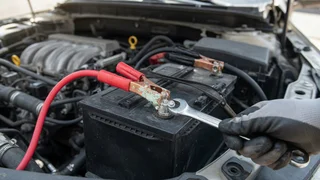
Loose car battery terminal
A loose car battery terminal creates an uncertain electrical connection at the battery post, and the symptoms can range from an occasional no-crank condition to flickering dashboard lights. The clamp may feel snug by hand yet still allow movement under vibration or load. Because the battery is the foundation of the vehicle's low-voltage system, even a small gap at the terminal can interrupt starting current, reduce charging output, and mimic a failing battery or alternator. Recognizing the signs early often prevents unnecessary parts replacement and helps isolate the fault to the connection rather than the component.
Essential answer
A loose car battery terminal means the metal clamp around the battery post is not maintaining consistent contact. This matters because the starter can draw several hundred amps, and a restricted connection produces a local voltage drop at the battery terminals. Under that condition, the starter may click without turning the engine, while the headlights still glow dimly because they require far less current. Tightening the clamp is usually the first step, but corrosion, a stretched clamp, or the wrong terminal size can leave the connection loose even after the fastener feels tight.
The condition should be separated from a discharged battery or a failed charging system. If the terminal is loose, system voltage measured at the battery may look normal until a load is applied, while voltage at the starter or fuse block sags. Electrical accessories may work intermittently, and the charging output may be present but unable to reach the battery reliably. A parasitic draw test or wiring diagram is not the correct first step when a loose connection is visible; the immediate issue is mechanical contact at the post.