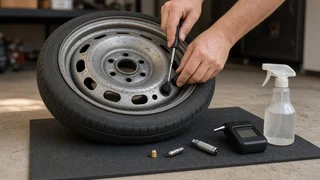
Can a Tire Valve Stem Freeze
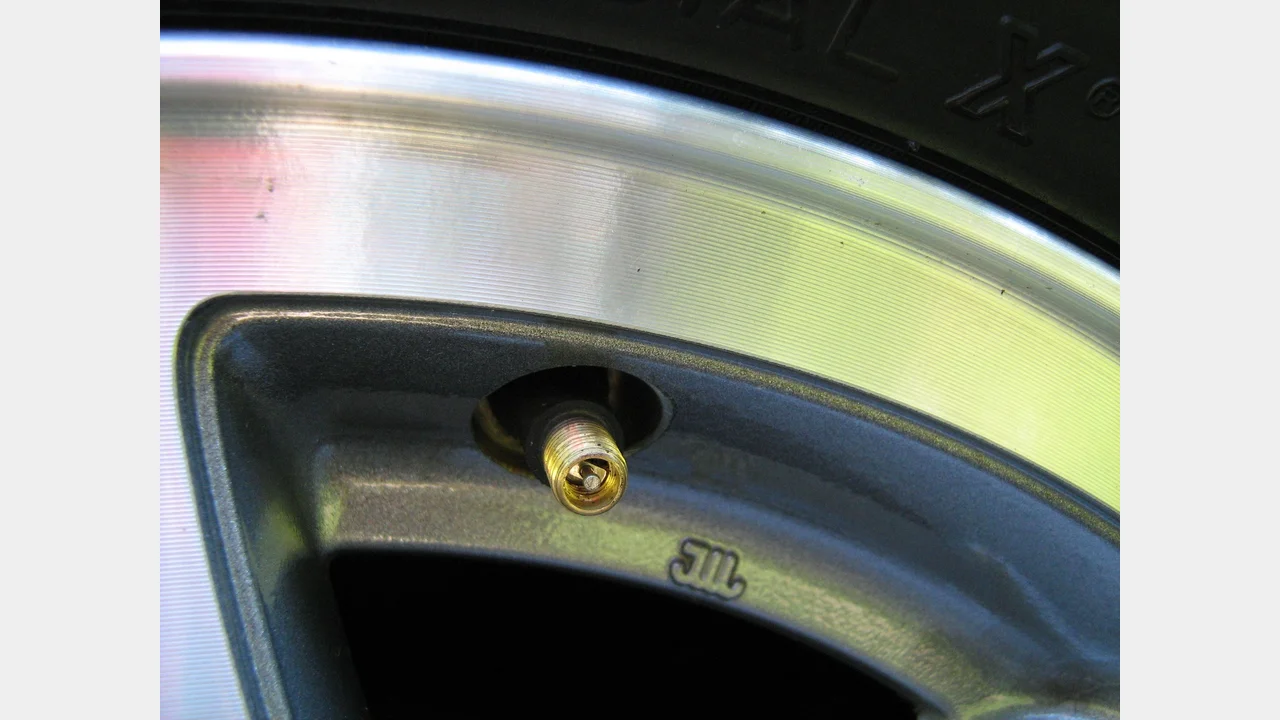
A tire valve stem can certainly freeze, though the problem is usually more about moisture than cold metal alone. Water inside the valve, snow packed around the wheel, or ice bridging the cap and core can block airflow and hide a slow leak. While the rubber stem remains flexible, trapped moisture can harden into ice and make pressure checks impossible until the area is warmed, so winter drivers should inspect the valve area whenever a tire loses air in freezing weather.
Essential answer
Yes, a tire valve stem can freeze, but the ice usually forms from water that has entered or coated the valve rather than from the valve body itself. A small amount of liquid around the core can expand as it freezes and block the pin or seal the cap threads. This is different from a tire freezing to the rim, and the symptom is often a sudden loss of inflation pressure or an inability to get a gauge reading on a cold morning.
Cold temperatures alone do not make a healthy, dry valve stem fail. What changes is the presence of moisture from car washes, slush, condensation, or a missing cap. If the vehicle is parked after driving through wet snow, meltwater can settle around the valve and refreeze once the wheel cools. Warming the area gently or moving the vehicle indoors may restore airflow, but repeated freezing suggests the cap, core, or stem should be inspected for trapped water or a slow air leak.