Buying a Certified Pre-Owned Subaru Outback
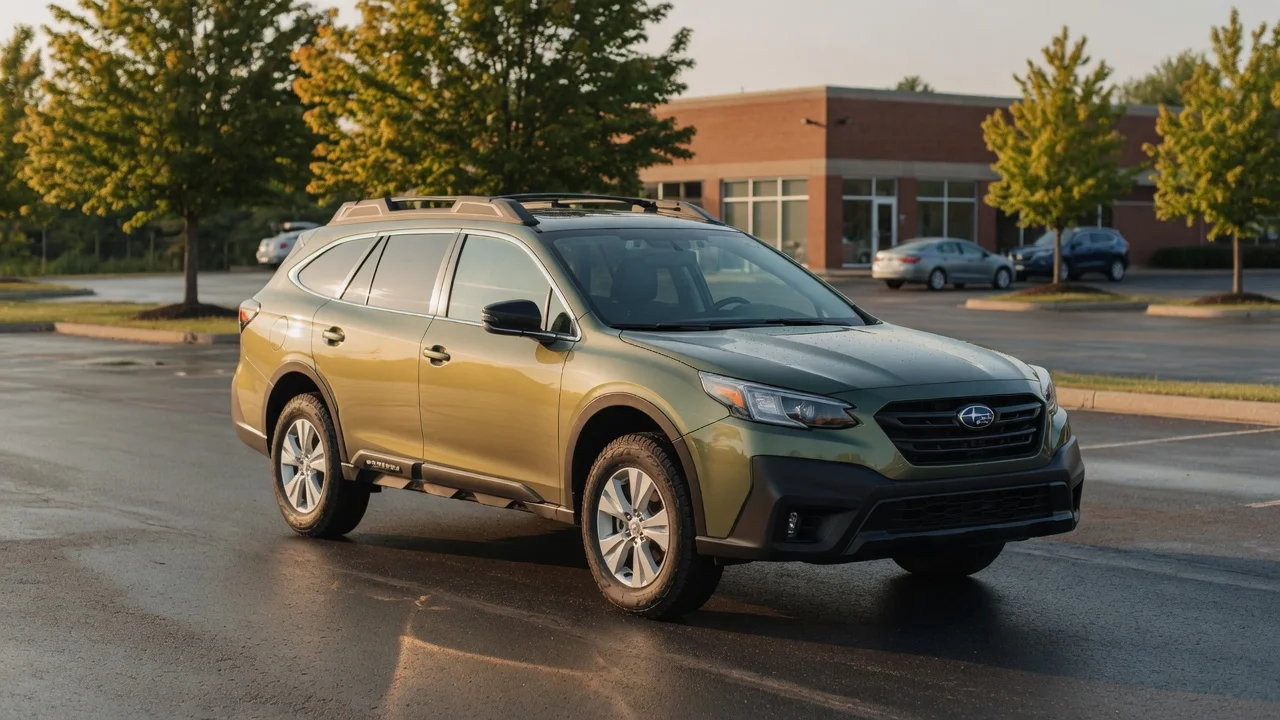
Start with the intended use
Before comparing listings, define how the vehicle will be used most often. A certified pre-owned Subaru Outback can serve daily commuting, family hauling, weekend camping, winter driving, or long road trips, but the best choice depends on the usual load, road conditions, and climate. Think about the number of passengers, typical cargo, trailer use, and whether all-wheel drive will be exercised regularly. Also consider how long you plan to keep the car and whether access to Subaru dealership service matters.
Features that matter
A certified pre-owned Subaru Outback is generally offered through a manufacturer-backed inspection and warranty process, but specific coverage varies by program and region. Check the model year, trim, odometer reading, service history, and remaining original warranty. Engine type and transmission can affect behavior, so note whether the car has a naturally aspirated or turbocharged engine and a continuously variable transmission or another gearbox. All-wheel drive is standard on modern Outback models, but driving aids and safety bundles vary by trim.
Check compatibility
Confirm that the specific Outback supports the equipment and media tools you already use. For phone integration, check whether the infotainment system includes the expected wired or wireless connection and whether it supports your phone operating system. Inspect the available USB ports, audio sources, camera views, and navigation behavior in the actual vehicle, because interface features can change between model years and trim levels. If you plan to tow or install accessories, verify the vehicle's rated capacity, hitch readiness, roof rail type, and power connections rather than assuming compatibility.
Build a shortlist
Use a concrete checklist to narrow candidates. Record the model year, trim, mileage, certification terms, warranty end date, accident or repair history, number of keys, tire condition, and recent service records. Compare only vehicles that meet your required passenger, cargo, connectivity, and climate needs. Arrange an inspection that includes the camera system, microphones, audio features, climate controls, and drivetrain behavior. Finally, confirm the total sale terms, including any certification fee and what the warranty does and does not cover.