Certified Pre Owned Cars: What the Label Actually Means
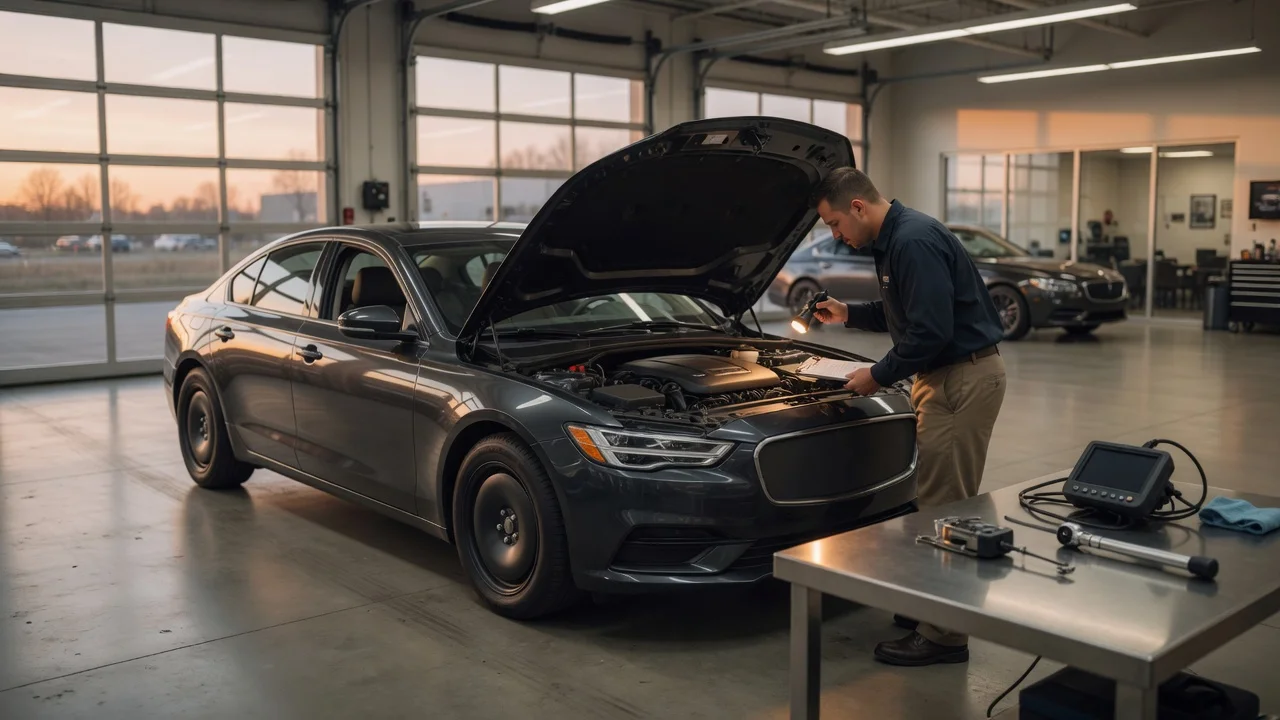
What a certified pre owned car is
A certified pre owned car, often called a CPO car, is a used vehicle sold through a franchised dealership under an automaker-backed certification program. The car is inspected, reconditioned, and sold with a warranty that extends beyond the original factory coverage. This is different from a dealer simply calling a used car certified as a marketing phrase. A true CPO program is run by the manufacturer of that brand, such as a Honda-certified program at a Honda dealer.
Certification requirements
Manufacturer CPO programs generally require the vehicle to pass a multi-point inspection that covers mechanical components, exterior condition, interior condition, and service history. Many programs also impose an age or mileage cap. For example, a car may need to be under five years old or below 60,000 miles to qualify. Vehicles with a branded title, such as flood or salvage history, are usually excluded.
The dealership performs repairs and cosmetic work needed to bring the vehicle to the program standard. The exact checklist varies by brand and model year, so the condition of one certified car is not directly comparable to another across different automakers.
How certification affects warranty coverage
A CPO car typically includes a limited warranty with a set duration or mileage allowance from the purchase date or the original in-service date. Some programs also add roadside assistance, trip interruption coverage, and a vehicle history report. The warranty often covers major powertrain components, while bumper-to-bumper coverage may be shorter or optional.
Because the warranty originates with the automaker, service can usually be performed at any franchised dealer of that brand. This is a material difference from an aftermarket service contract sold by an independent used car lot.
Certified pre owned versus a standard used car
A standard used car sold by a private seller or independent used car lot does not come with a manufacturer-backed certification or warranty unless one is purchased separately. A CPO car usually costs more than a comparable non-certified used car because the dealer has invested in inspection, reconditioning, and warranty administration.
The value depends on the buyer. If the priority is lower upfront cost and the buyer is comfortable arranging an independent inspection, a non-certified used car can make sense. If the priority is predictable post-purchase repair risk, a CPO car may justify the premium.
Where to find certified pre owned inventory
CPO vehicles are primarily listed on franchised dealership websites and on used car websites that aggregate dealer inventory. A used car search can be filtered to show only certified vehicles. Some car buying websites also label manufacturer-certified listings separately from dealer-inspected cars. Used car lots that are not franchised for a specific brand generally cannot sell that brand's manufacturer-backed CPO vehicles.
When using a used car search, look for the exact program name, such as factory certified or manufacturer certified, rather than wording like dealer certified or inspected. The latter does not necessarily include the same warranty protections.
Questions to ask before buying a CPO car
Is this a manufacturer-backed certification program for this brand? What is the remaining original factory warranty, and when does the CPO warranty begin and end? Which components are covered, and what is excluded? Is the warranty transferable to a private buyer if I sell the car before it expires? Can I see the completed inspection checklist and any repair orders from reconditioning? Does the listing include a vehicle history report, and is the title clean?
When a certified pre owned car may not be the right choice
A CPO car is not automatically the best option. The higher price may not be worth it if the vehicle has very low mileage and substantial original warranty coverage remaining. The certification premium can also exceed the cost of a thorough independent inspection plus a separate service contract on a comparable non-certified vehicle. Buyers who plan to keep a car well beyond the CPO warranty period may receive less benefit from the added coverage.
Certification does not mean the car is flawless. CPO programs permit normal wear within defined limits. A certified car can still have cosmetic blemishes, worn tires near the replacement threshold, or a service history with minor repairs. It is still necessary to test drive the car, inspect it in person, and confirm that the specific vehicle matches the certification checklist.