How to Evaluate a Certified Pre-Owned Car Before Buying
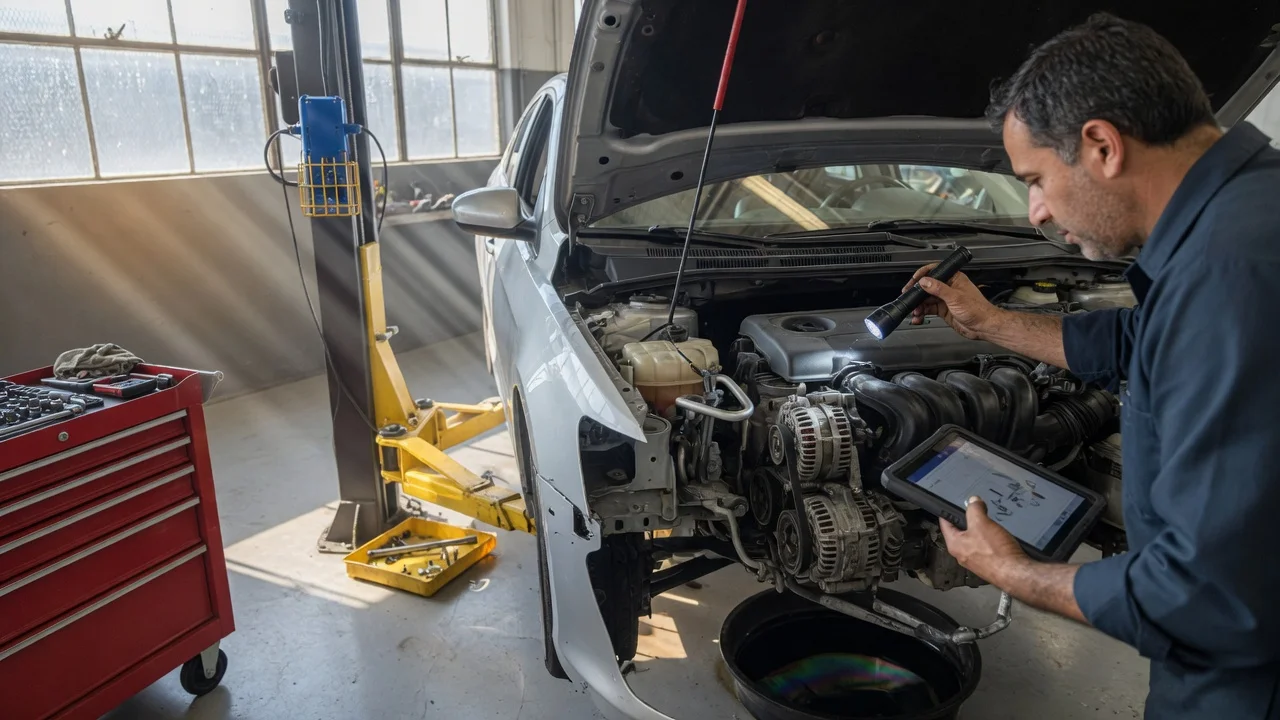
What you need to establish before you buy
A certified pre-owned (CPO) car is a used vehicle a manufacturer or participating dealer has inspected to a published checklist, reconditioned as required by that programme, and offered with remaining factory cover plus a CPO warranty. Age, mileage, title status and accident-history limits apply, and they differ by brand, model year, powertrain and market. The essential task is to verify that this specific vehicle is enrolled in the current programme, that the inspection and history match the car in front of you, and that the written warranty, price and condition justify the purchase.
A CPO badge is a claim about that car, not a guarantee that every system is defect-free. Manufacturer-backed programmes, dealer-group “certified” labels and independent certification products are different contracts. Read the documents for the vehicle you are buying. Advertised inspection-point counts, warranty length, deductibles, mileage caps and eligible model years are programme-specific; confirm them on the enrolment paperwork and warranty booklet for that VIN. Legal remedies, cooling-off rules and how warranties interact with consumer law vary by jurisdiction and are not established in this guide.
What to have in place before you inspect
You need the vehicle identification number (VIN), the seller’s CPO inspection report or checklist for this car, the warranty contract (term, deductible, covered assemblies, exclusions and who honours the claim), service records, and a vehicle-history report that covers title brands, recorded accidents, odometer readings and open recalls. Bring a notebook or phone for photos of the VIN plate, odometer, warning lights and any damage. Arrange a daytime appointment so you can see paint, panel gaps and tyre wear, and leave time for a road test on mixed roads. If you will use an independent technician, book that inspection before you sign; many shops need the car for several hours and will follow the manufacturer’s inspection procedure for that model year and powertrain.
VIN on the dashboard, door-jamb label and sale documents must match. CPO enrolment or certification document for this VIN, not a generic brochure. Written warranty: start date, term or mileage, deductible, covered systems, exclusions and claim process. History report and service records, including recall completion. Qualified independent inspection booked if you want a pre-purchase inspection (PPI) to manufacturer procedure.
Steps to evaluate the car
Work in this order so you can stop before a test drive or a deposit if identity, title or safety conditions fail. Settings, fluid specifications, torque values and recall remedies are vehicle-specific; use the manufacturer’s instructions for that model year, market and powertrain, and do not copy figures from a similar-looking car. Hands-on diagnosis, airbag work, structural measurement and warranty repairs belong with a qualified technician.
Match the VIN across the windscreen or dashboard plate, the B-pillar or door-jamb label, the registration or title, the window sticker or buyer’s guide, the CPO certificate and the history report. Stop if any VIN disagrees or looks altered. Confirm CPO status for this VIN with the selling dealer and, for manufacturer programmes, with the brand’s CPO desk or portal the dealer uses. Ask when the inspection was done, who performed it, and whether certification can be withdrawn if the car sits in inventory. Stop if the car is only “eligible” or “being certified” rather than enrolled. Read the CPO inspection report line by line against the car. Note every fail, wear item, and “repaired or replaced” entry. Ask for invoices for tyres, brakes, battery, glass and body work done for certification. Items marked “n/a” or left blank need an explanation. Review title status, recorded accidents, salvage or flood brands, odometer consistency, prior use (lease, rental, fleet) and open safety recalls. Unexplained structural damage, a branded title where the programme requires a clean title, or incomplete recall work are stop conditions until resolved in writing. Recall completion is qualified service; do not treat a verbal assurance as closed. Read the warranty contract. Record what is covered (for example engine, transmission, some electronics), what is excluded (typical wear items, damage, aftermarket parts, neglect), the deductible per visit, whether cover is nationwide and transferable, and how it sits alongside any remaining factory warranty. The contract for this VIN is the authority; marketing summaries are not. Walk around the car in daylight. Check panel gaps, repaint, overspray, mismatched fasteners, rust at arches and sills, glass date codes, light condition, and all four tyres plus the spare for even wear, age (DOT week/year) and load/speed rating. Uneven tyre wear or fresh paint over rippled metal warrants a closer body inspection before you drive. Inspect the interior and controls: seat tracks, belts, airbag covers, damp carpets or a musty smell, all switches, infotainment, cameras, parking sensors, charging ports and climate system. Photograph any warning lamp at key-on. A deployed or poorly refinished airbag cover, wet carpets, or a cluster full of lamps is a stop condition until a technician explains it. With the engine cold, look under the bonnet and under the car for leaks, crushed undertrays, fluid that is opaque or burnt-smelling, and battery condition. Check that service items called out on the CPO sheet (filters, plugs, belts where visible) look consistent with the report. Do not remove safety-critical parts or “top up” fluids to hide a leak. Follow the manufacturer’s dipstick or electronic oil-level procedure for that engine if you check oil. If the walkaround shows safe tyres, working lights, and no obvious brake, steering or coolant failure, road-test on roads you can legally use: slow-speed parking manoeuvres, urban stop-start, a steady cruise, and a safe acceleration lane. Listen for knocks, feel for pull, vibration, delayed shifts, grabby or soft brakes, and unstable tracking. Stop the test and do not continue if brakes, steering, or tyre integrity are in doubt; a qualified shop should inspect those systems. Commission an independent PPI on a hoist, using the manufacturer’s inspection steps for that model year and equipment (four-wheel drive, hybrid or electric high-voltage components, air suspension, and so on). Ask the technician to report structural measurements, leak-down or scan-tool fault history, brake measurement, and whether repairs were done to factory procedure. High-voltage, airbag, welding and alignment work require qualified service. Compare the asking price with equivalent non-CPO examples of the same generation, mileage and options, then subtract the value of the actual warranty and included maintenance if any. Decide only after you have the PPI result and a written out-the-door figure (price, fees, tax as applicable in your jurisdiction).
Walkaround and road-test points to record
VIN, odometer and service-book stamps consistent with the history report. Tyre brand, size, load/speed rating, tread depth pattern and DOT date on all five positions if a spare is present. Evidence of collision repair: texture change, overspray in jambs, poor panel alignment, replaced lamps or airbags. Operation of every advertised driver-assistance feature the car is equipped with, on a safe road, with the owner’s handbook as the reference for what that model year can do. Cold start, idle quality, transmission behaviour when warm, brake pedal feel, and whether the car tracks straight on a level road. Scan for stored and pending diagnostic trouble codes if you or the PPI shop has a tool that covers this vehicle’s modules; pending codes can be as important as a lamp on the dash.
Stop the evaluation and do not drive further if the VIN is inconsistent, the title is branded in a way the CPO programme forbids, a safety recall is open, a brake or steering fault appears, tyres are unsafe, or an airbag, ABS, or stability-control lamp stays on. Those conditions need qualified diagnosis. Hybrid and battery-electric models add high-voltage isolation and battery-health checks that belong in a shop with the correct equipment; the CPO sheet should state what battery test was used, and the PPI should repeat a manufacturer-supported test rather than a generic twelve-volt check.
Independent inspection and qualified work
The selling dealer’s CPO inspection is useful evidence and it is still one party’s report. An independent technician who follows the manufacturer’s workshop inspection for that configuration can confirm structural integrity, measure brakes and tyres, read module history, and judge whether certification repairs meet factory procedure. Ask the shop to work from the same model-year manual that applies to this VIN. Do not treat a quick visual once-over as a PPI. Collision structural repair, airbag replacement, high-voltage battery service, and open recall campaigns are qualified-service items; keep the car off the road until they are documented as complete.
Completion check
VIN, CPO enrolment and sale documents refer to the same vehicle. You have the inspection report, warranty contract, history report and PPI in writing. Open recalls and CPO “must-fix” items are closed with invoices. You completed a daylight walkaround and a road test with no unresolved safety fault, or you stopped for qualified inspection. You can state the warranty term, deductible, exclusions and who pays a claim. The out-the-door price is agreed, and you accept remaining wear, age and mileage limits as they apply to this car.
Where this guidance stops
Inspection-point totals, maximum age and mileage, whether accident cars can be certified, warranty months, roadside-assistance terms and transfer fees are set by each manufacturer or dealer programme and by the market in which the car is sold. Those figures are not given here because they are not universal. Confirm them on the current programme rules and on the contract for this VIN. Consumer-protection rules, tax treatment of warranties and any right to cancel also depend on jurisdiction; this article does not state a legal position for a given country or state. Powertrain-specific limits (for example hybrid battery cover, diesel particulate-filter condition, or four-wheel-drive transfer-case service) must be taken from the manufacturer’s documentation for that model year and equipment.