Buy Blue Print brake pads
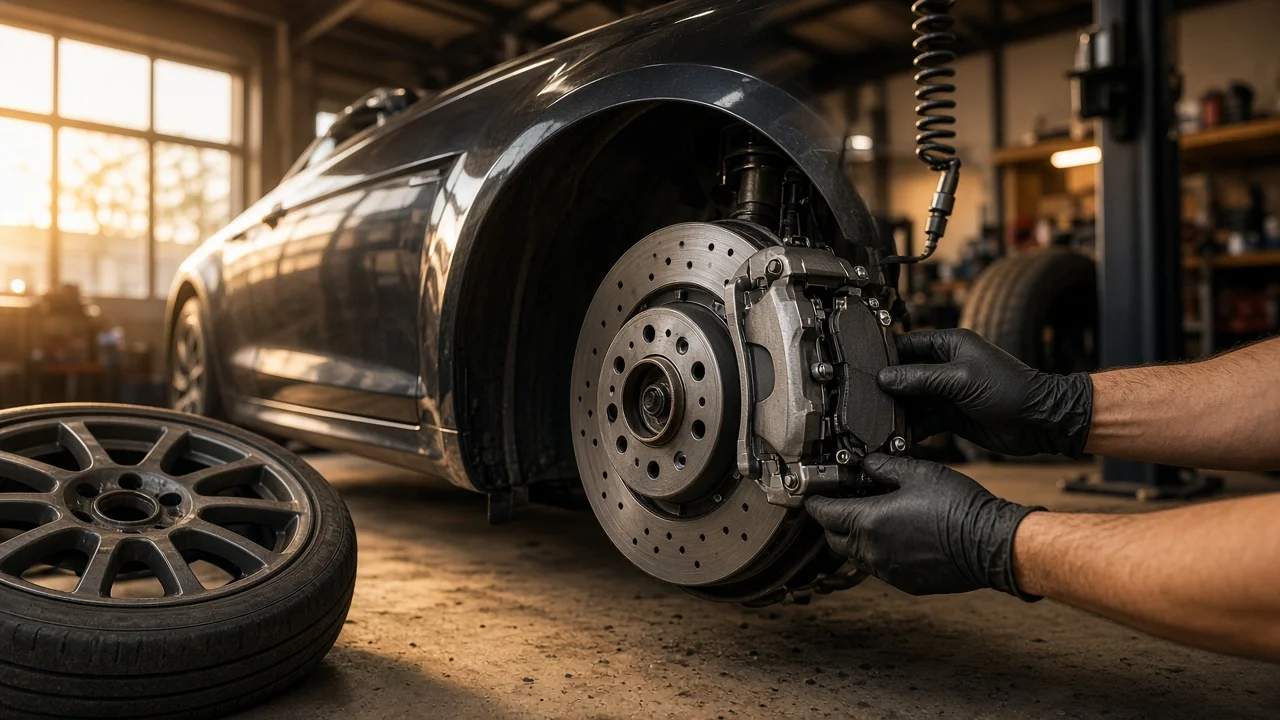
Selecting Blue Print brake pads means matching the replacement friction material to your vehicle, your driving conditions, and the health of the surrounding brake system. The right pad choice supports predictable pedal feel, consistent stopping power, and acceptable rotor wear. Because braking performance depends on more than the pad alone, it helps to evaluate fitment, caliper movement, fluid condition, and rotor surface before completing the purchase. This overview explains how to approach the decision practically and what related brake components deserve attention at the same time.
The direct answer
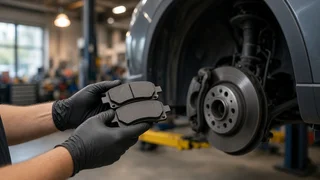
Blue Print brake pads can be a suitable replacement choice when the catalog listing confirms vehicle fitment for your year, make, model, and axle position. The immediate buying decision should begin with that compatibility check, since even a well-made pad cannot perform correctly if its backing plate shape, abutment ears, or friction block dimensions do not match the caliper bracket. Correct fitment reduces noise, uneven contact, and the risk of improper retention, making it the first condition that materially changes whether a set is appropriate.
Once vehicle fitment is confirmed, consider how the pad’s friction material aligns with the rotors already installed. A new pad works best against a rotor surface that is flat, clean, and above minimum thickness. If the brake rotors are heavily grooved or have a deep outer lip, new friction material may not bed evenly, and the caliper may sit differently on its slides. Evaluating rotor condition before buying helps you decide whether pads alone are a complete repair or whether resurfacing and rotor replacement should be part of the same parts order.