Buy Asuki brake pads
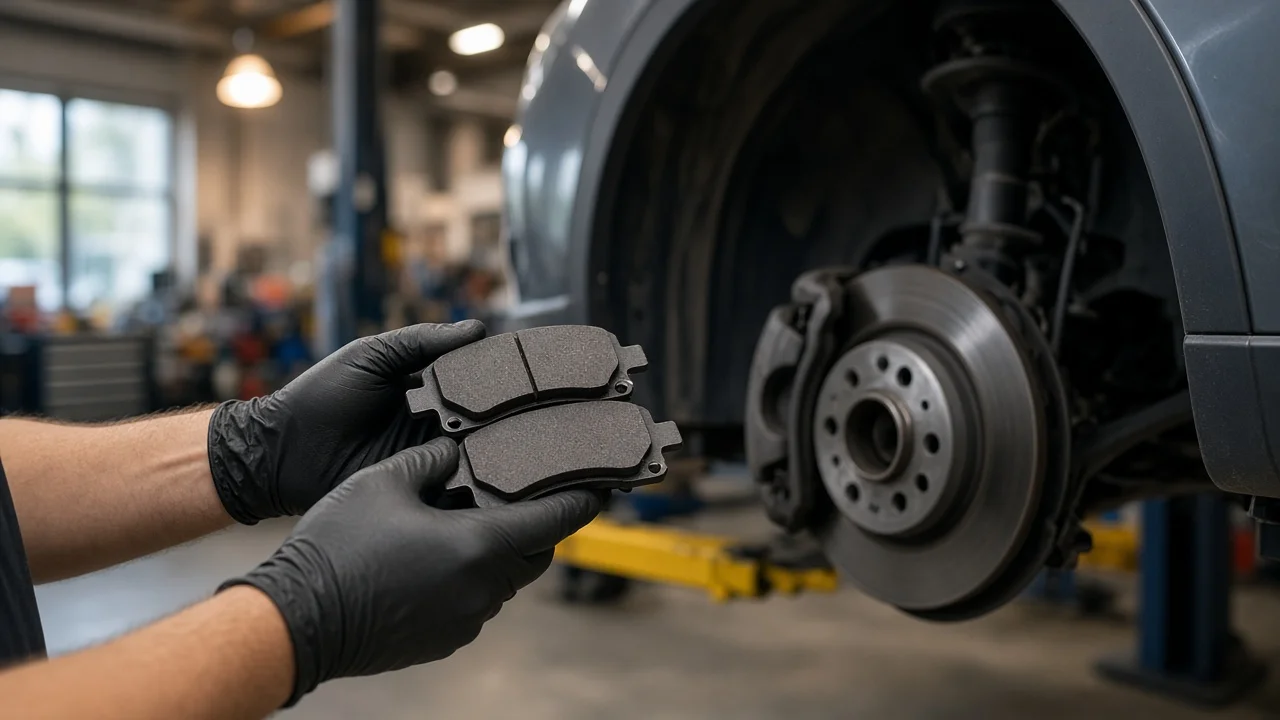
Choosing replacement brake pads involves more than matching a part number; it means evaluating friction behavior, rotor compatibility, and whether a brand's claimed fitment matches your vehicle. Shoppers considering Asuki brake pads often have limited comparative data, so the practical path is to inspect the product listing for material type, hardware, and platform coverage before buying. A brake pad set should suit your driving conditions, not simply be the cheapest available option. This guide explains what to verify when evaluating these pads and how to reduce the risk of poor pedal feel, noise, or rapid wear after installation.
The direct answer
Asuki brake pads can be a reasonable purchase when the set is confirmed to match your exact year, make, model, and brake package, but an immediate recommendation is not supported without more product evidence. The pads should be treated as a value-oriented replacement option rather than an upgrade with independently verified performance claims. Before ordering, confirm the friction material type, backing plate, shims, and hardware included in the box. If the seller does not clearly state fitment against your vehicle's original brake caliper and rotor configuration, choose a listing with better documentation or obtain confirmation from the retailer.
The purchase decision should also account for how the pads will interact with your existing brake rotors. New pads on deeply grooved, rusted, or unevenly worn rotors may develop noise, longer stopping distances, or uneven pad deposits. A serviceable rotor surface and clean caliper slide pins help any friction material bed in predictably. Because Asuki is not a widely documented marque, you should not assume unique compound characteristics. Instead, evaluate the product like any aftermarket brake pad: verify dimensions, attachment style, sensor provisions if equipped, and whether the set is sold as front, rear, or both axles.