Buy Asuki brake pads
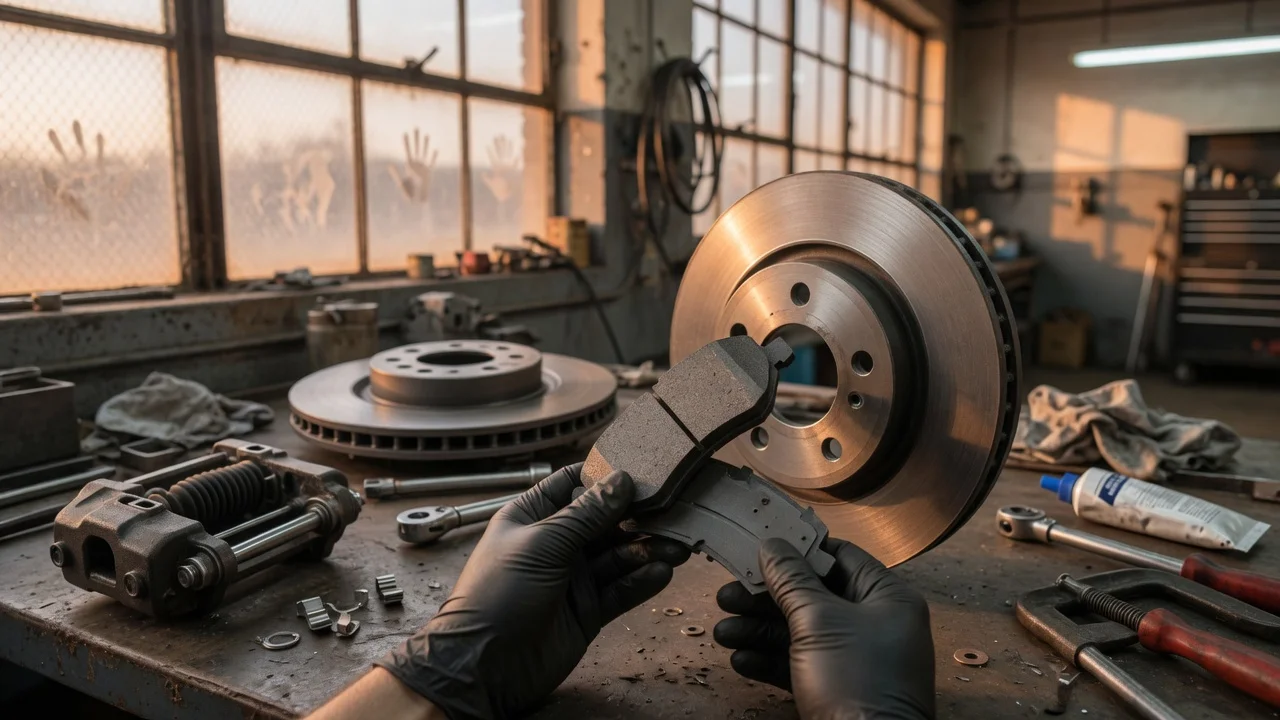
If you want Asuki brake pads, buy the set whose part number matches your vehicle's exact brake system, not just its make and model. Fitment is the condition that matters most. The same model can use different pads depending on model year, market, trim, engine, axle (front or rear) and the brake caliper fitted at the factory. Confirm those details first, then compare listings.
What this guide can and cannot tell you
No verified information about Asuki's product range, pad compounds, country of manufacture, test results, warranty terms, prices or stockists was available for this article. Where those details matter to your decision, check them on the product packaging, the seller's listing or with the seller directly. Do not rely on assumptions about the brand.
How to confirm the pads fit your car
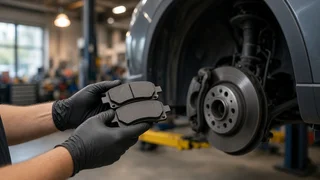
Identify the vehicle precisely: model year, market (for example UK, EU or North America), trim level, engine or powertrain, and drive type where relevant. Specify the axle. Front and rear pads are different parts and are sold separately. Check the brake setup. Some models were offered with more than one caliper or disc size. A performance trim, a towing package or a different engine can change the pad shape. Use a registration or VIN lookup where the seller offers one. A VIN is the 17-character vehicle identification number, usually found on the registration document and on the car itself. This narrows the match better than selecting a model from a list. Compare part numbers. If the old pads or the vehicle manufacturer's part number are available, cross-check them against the reference numbers in the Asuki listing. Compare shape and wear-sensor provision. Pads must match the outline of your current pads. If your car uses an electronic wear sensor, check whether the sensor is included, required separately or not applicable.
If a listing covers a model but does not separate the possible brake variants, treat the fit as unconfirmed until the seller clarifies it.
What to check in the listing before you buy
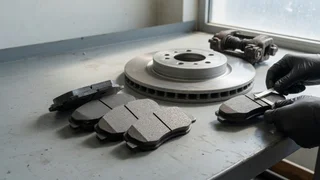
Whether the set covers one axle, meaning both wheels on that axle. Pads should be replaced in axle sets. Whether fitting hardware is included, such as clips, shims or anti-squeal plates. The stated friction material type, if given. Common types are ceramic, low-metallic and semi-metallic. They can differ in noise, dust and bite, and the listing should state which type it is. Regulatory marking for your market. In the UK and EU, replacement brake pads are expected to carry ECE R90 approval. Check that the listing or packaging states this. The return policy in case the pads do not match on inspection. Keep the pads unused and in their packaging until you have compared them with the old ones.
Before fitting
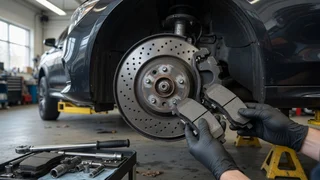
Inspect the brake discs (rotors) when you change the pads. Worn, scored or undersized discs can shorten the life of new pads and reduce braking performance, whichever brand you choose. The minimum disc thickness is usually stamped on the disc or listed in the vehicle's service information. Brakes are a safety-critical system. If you are not confident fitting and bedding in new pads, have a qualified technician do the job. Bedding in is the initial controlled braking that helps the pads seat against the discs.
Next step
Gather your vehicle's year, market, trim, engine and, ideally, its VIN or the existing pad part number. Then search for Asuki pads for the correct axle and check the reference numbers in the listing against your car. If anything is still unclear, ask the seller to confirm fitment for your exact vehicle before you order.