Buy blue auto body repair tape
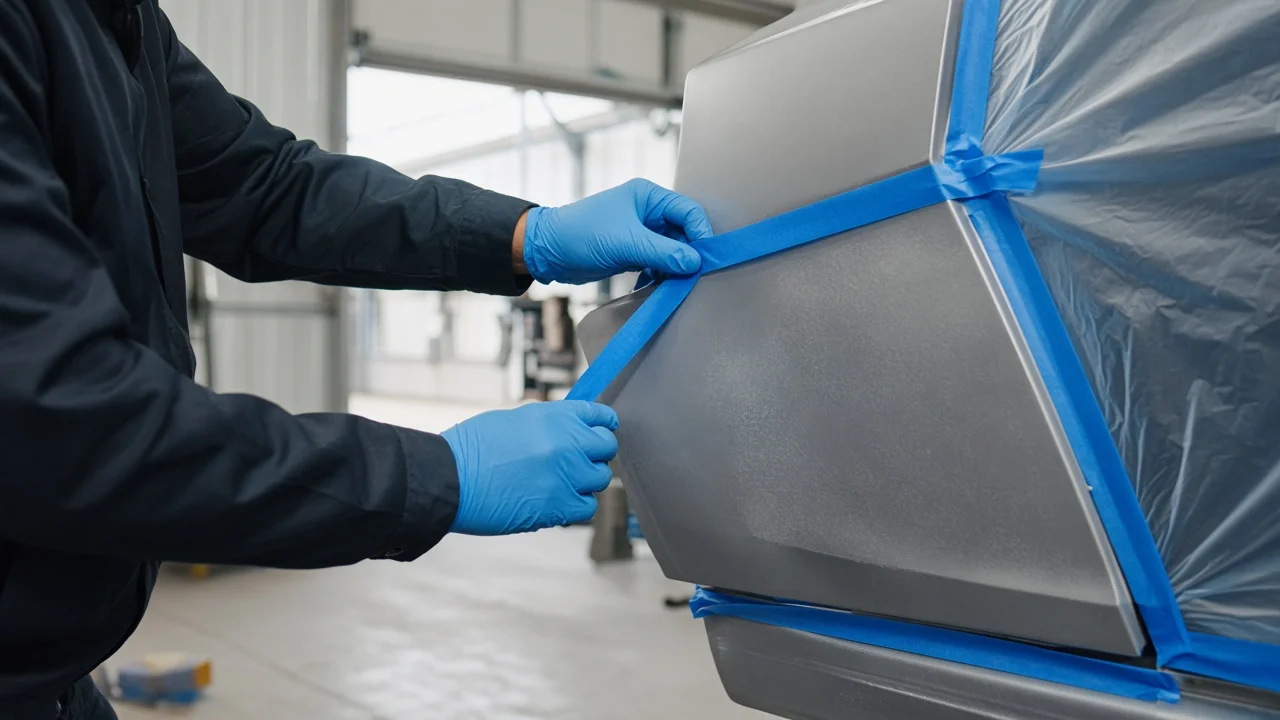
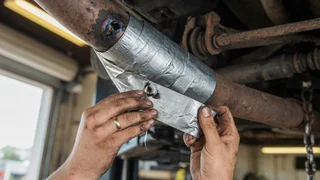
Choosing the right blue auto body repair tape means matching the tape's construction to the repair you actually need. This purchase decision usually comes down to a temporary cosmetic cover-up, moisture protection until a proper panel repair is possible, or securing a loose trim piece. The blue color often signals a specific product style, but color alone does not tell you about adhesion, backing thickness, or how cleanly it will release later. Before you buy, focus on where the tape will be used, what substrate material is underneath, and how long the repair must last.
The direct answer
The immediate answer is that blue auto body repair tape is a practical choice for short-term exterior fixes, especially when visibility matters for alignment or removal. Because the blue shade contrasts with most paint colors, it is easier to see whether the tape is stretched smoothly along panel edges. This can help when you are following a crease, covering a cracked lens, or holding a broken bumper section steady while a stronger adhesive cures.
However, the product is not a permanent replacement for a proper repair method. It works best on clean, dry, rigid surfaces where panel alignment is already close. If the underlying panel is flexing, wet, or coated with wax or silicone, even a strong adhesive will fail. Treat the tape as a controlled stopgap: good for a short drive, a temporary weather seal, or a quick track-side fix, not as a final corrosion barrier or a substitute for mechanical fasteners.
Understanding a problem
A poor bond is most often explained by surface preparation, not by the tape itself. Automotive paints carry road film, polish residue, and sometimes ceramic or wax coatings that interfere with adhesion. Before applying, use a solvent that will not damage the coating compatibility of the surrounding finish, then wipe the area dry. Without that step, the tape may peel within hours, especially in rain or at highway speed where wind loads work the edge of the film.
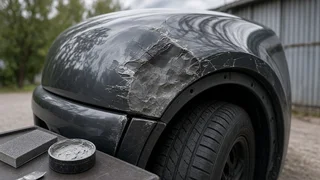
Distinguishing between a bad product and a bad application is simple: test a short strip on a flat, clean area. If it holds firmly, the trouble is the curved or contaminated zone where the repair is needed, not the adhesive. For damaged clear coat or bare metal, do not rely on tape alone for corrosion protection. Moisture can creep beneath the edge and sit against the steel, making the hidden area worse than the visible damage you were trying to control.