Brake Caliper Replacement: Signs, Process and Cost Factors
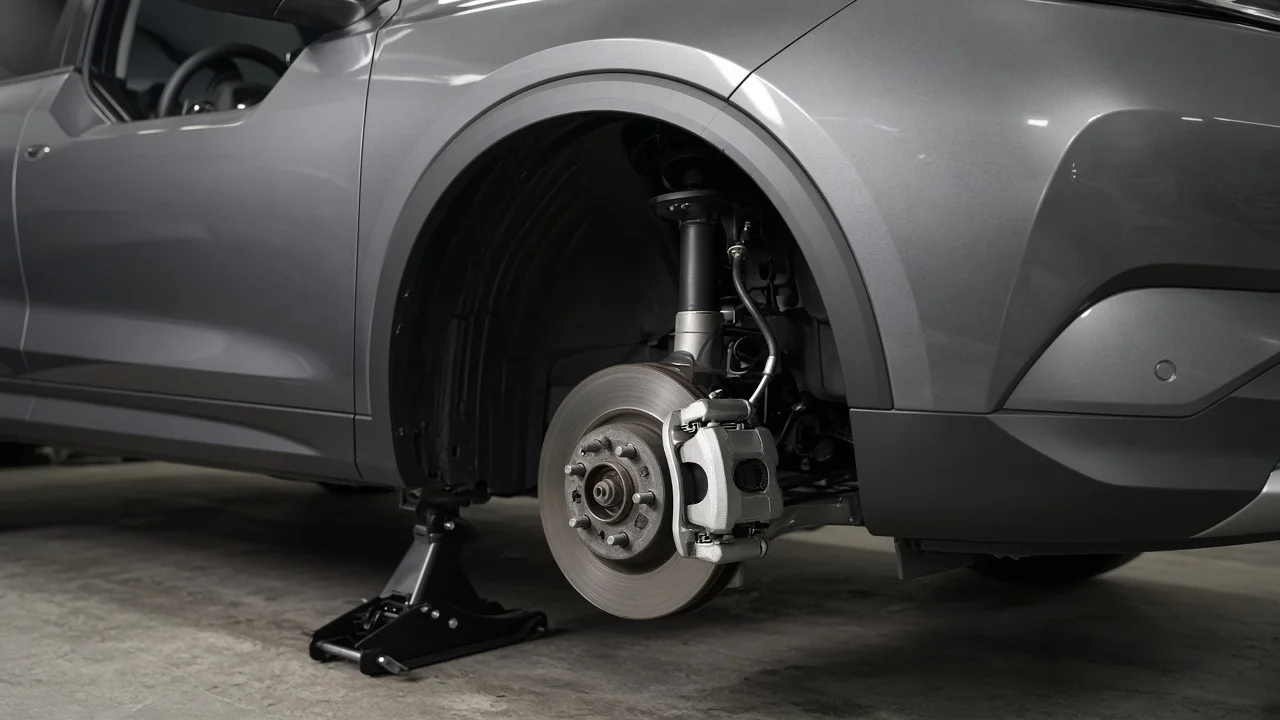
Brake caliper replacement means removing a faulty caliper, the hydraulic clamp that squeezes the brake pads against the rotor, and installing a new or remanufactured unit, then bleeding the brake system to remove air. It is usually needed when a caliper sticks, leaks fluid or has a seized piston, not as routine maintenance. The job is moderately involved. The hydraulic system is opened, so bleeding is mandatory, and some rear calipers with integrated parking brakes add extra steps. What you pay depends mainly on the vehicle, whether one or both calipers on an axle are replaced, and whether pads, rotors or hoses are replaced at the same time.
What a brake caliper does
When you press the brake pedal, the master cylinder pushes brake fluid through the lines to each wheel. At a disc brake, that fluid pressure pushes one or more pistons inside the caliper. The pistons force the brake pads, which carry the friction material, against the spinning brake rotor. That friction slows the wheel. When you release the pedal, the piston seal pulls the piston back slightly, and the pads relax away from the rotor.
Most passenger cars use floating, also called sliding, calipers. These have one or two pistons on the inboard side, and the caliper body slides on guide pins to clamp both pads. Many performance and heavier vehicles use fixed calipers, which do not move and have opposed pistons on both sides of the rotor. The type matters for diagnosis: a floating caliper can misbehave because its slide pins seize even when the piston is fine, and that problem can sometimes be fixed without replacing the caliper.
Signs a caliper may need replacing
The vehicle pulls to one side when braking, or drifts while cruising if a caliper is dragging. One wheel is noticeably hotter than the others after a drive, or gives off a burning smell. Brake pads on one side, or the inner and outer pads on one wheel, wear much faster than the rest. Brake fluid is leaking around the caliper, the piston boot or the hose connection, or the reservoir level keeps dropping. The brake pedal feels soft or spongy, or sinks further than usual. The piston boot is torn and the piston shows rust or pitting. You hear knocking or clunking from a caliper that is loose or has worn mounting hardware.
Several of these symptoms have other possible causes, including a collapsed brake hose, a contaminated pad, a warped or worn rotor, or a suspension or alignment problem. Inspect the caliper before replacing it. A pull to one side, for example, may come from a sticking caliper on that wheel or from a restricted hose that keeps the caliper from releasing.
Replace, rebuild or service?
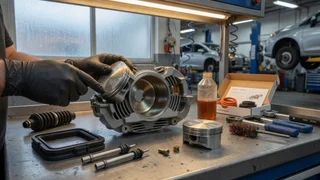
Not every caliper problem requires a new caliper. Sticking slide pins can often be cleaned and lubricated with a brake-specific grease, and new pins and boots are inexpensive. Calipers can also be rebuilt with a seal and boot kit, though that only works when the piston and bore are free of corrosion and pitting. For most owners and many shops, a remanufactured caliper is the practical choice because it removes the uncertainty of reusing a corroded bore.
Service the slide pins when the caliper body moves stiffly but the piston works and nothing leaks. Rebuild when the bore and piston are clean and you have the tools and time. Replace when there is a fluid leak, a seized or pitted piston, a damaged bore or housing, or stripped threads.
Should calipers be replaced in pairs?
Calipers are commonly replaced in pairs on the same axle so both sides apply and release evenly. A new caliper next to an old one that is starting to stick can cause uneven braking or a pull. It is not a strict rule. If one caliper failed from a specific cause, such as a torn boot or physical damage, and the other side is clean, moves freely and does not leak, replacing only one is a reasonable decision. Brake pads, by contrast, should always be replaced as a full axle set.
Choosing a replacement caliper
Vehicle fitment is the first check. Calipers are side-specific, left and right, and can vary by model year, trim, brake package, drivetrain and whether the vehicle has an electronic parking brake. Match the part to your exact vehicle, and compare the new caliper with the old one before installing it.
Remanufactured: a used core that has been cleaned, inspected and fitted with new seals and often a new piston. Usually the most economical option, and typically sold with a refundable core charge when you return the old caliper. New aftermarket: a newly manufactured unit, sometimes with a painted or coated finish to resist corrosion. Original equipment: matches the factory part, often at a higher price. Loaded calipers: come with pads and hardware already installed, which simplifies the job and ensures the pads fit the caliper. Bare or unloaded calipers: the caliper only, for when you are supplying your own pads, brackets or hardware.
What the replacement process involves
The exact procedure, torque values and fluid specification come from the vehicle's service information. The general sequence for a typical floating caliper is:
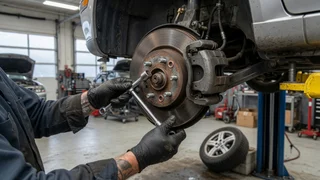
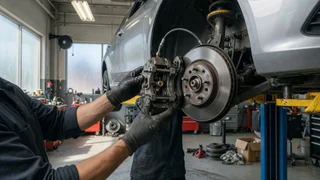
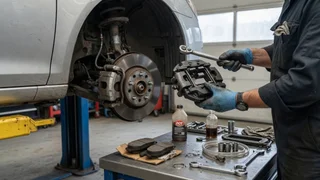
Loosen the lug nuts, raise the vehicle safely, support it on jack stands, and remove the wheel. Clamp the flexible brake hose with a hose pinch tool if you want to limit fluid loss, or be ready to catch the fluid. Disconnect the brake hose from the caliper, usually at a banjo bolt with two sealing washers or at a threaded fitting. Remove the caliper guide or mounting bolts and lift the caliper off. If you are only removing the caliper to reach other parts and not replacing it, hang it with wire. Never let it hang by the hose. Inspect the pads, the rotor and the caliper bracket. Replace pads that are worn to their wear limits or soaked with brake fluid, and check rotor thickness against the minimum stamped on the rotor. Clean and lubricate the bracket contact points and slide pins as specified, and install the new caliper with pads and hardware. Reconnect the brake hose using new sealing washers on banjo fittings, and tighten all fasteners to specification. Bleed the brakes until no air bubbles appear, starting where the service procedure says to start. Top up the reservoir with the correct brake fluid, pump the pedal until it is firm, reinstall the wheel and torque the lug nuts. Test the brakes at low speed before normal driving, and bed in new pads if they were installed.
Details that commonly cause problems
Bleeding: opening the hydraulic system lets air in. Air in the lines causes a soft pedal and reduced braking, so bleeding is not optional. Some vehicles with ABS need a scan tool to cycle the ABS unit during bleeding. Brake fluid type: use the fluid type specified on the reservoir cap or in the owner's manual. Glycol-based fluids such as DOT 3, DOT 4 and DOT 5.1 must not be mixed with silicone-based DOT 5. Brake fluid absorbs moisture, so use fresh fluid from a sealed container. It also damages paint, so wipe spills immediately. Rear calipers with a mechanical parking brake: many have a piston that must be screwed back in with a wind-back tool, not pushed straight in. Electronic parking brakes: these usually require a scan tool or a specific service procedure to retract the motor before work and to recalibrate afterward. Contamination: keep grease and brake fluid off the friction material and rotor surface. Contaminated pads usually need replacing. Hoses: an old flexible hose that is cracked, swollen or restricted can make a new caliper drag, so inspect it while the system is open.
DIY or professional?
Replacing a front floating caliper is within reach of a home mechanic who has proper lifting and support equipment and a torque wrench, and who knows how to bleed brakes correctly. The job becomes more demanding with seized bolts, corroded brake lines, rear calipers with integrated parking brakes, electronic parking brakes, or ABS systems that need a scan tool for bleeding. Brakes are safety-critical. If you are unsure about bleeding or torque specifications, or the pedal does not feel firm afterward, have a qualified technician finish or check the work before you drive.
What drives brake caliper replacement cost
Brake caliper replacement cost varies widely, so a single figure would mislead more than it helps. A quote you get will usually be built from these elements:
The caliper itself: remanufactured units generally cost less than new aftermarket or original equipment parts. Loaded calipers cost more than bare ones but include pads and hardware. Multi-piston performance calipers and electronic parking brake calipers are typically the most expensive. Core charge: often added to a remanufactured caliper and refunded when the old unit is returned. Number of calipers: replacing both calipers on an axle roughly doubles the parts cost and adds labor, though not always twice the labor. Labor time: depends on the vehicle design, front or rear position, parking brake integration, and how corroded the fasteners and lines are. Brake fluid and bleeding: always part of the job, and sometimes billed as a separate line item. Additional parts: pads, rotors, brake hoses, slide pins and hardware kits often get replaced at the same time when they are worn or contaminated. Scan tool procedures: electronic parking brake retraction or ABS-assisted bleeding can add time. Shop type and location: dealer, independent and chain shop labor rates differ, and rates vary by region.
To compare quotes fairly, ask whether the price covers one caliper or a pair, whether the parts are remanufactured or new, whether bleeding and fluid are included, and whether pads or rotors are being added. If a shop recommends extra parts, ask to see the measured pad thickness or rotor condition behind the recommendation.
Is it safe to drive with a bad caliper?
A failing caliper should be repaired promptly. A leaking caliper can reduce braking ability as fluid is lost. A sticking caliper keeps the pads in contact with the rotor, which overheats the brake, wears pads and rotors quickly, wastes fuel and can lead to brake fade. If the pedal is soft, the fluid level is falling, or one wheel is very hot or smoking, avoid driving the vehicle until it has been inspected.
Bottom line
Replace a brake caliper when it leaks, has a seized or damaged piston, or keeps dragging after the slide pins and hose have been checked. Choose a part that matches your exact vehicle, consider replacing both calipers on the axle for even braking, and inspect pads and rotors while the wheel is off. Always bleed the system afterward. When budgeting, treat the caliper price as only one part of the total, because labor, fluid, axle pairs and any added pads or rotors largely determine what the repair costs.