Blue Ridge Parkway driving conditions
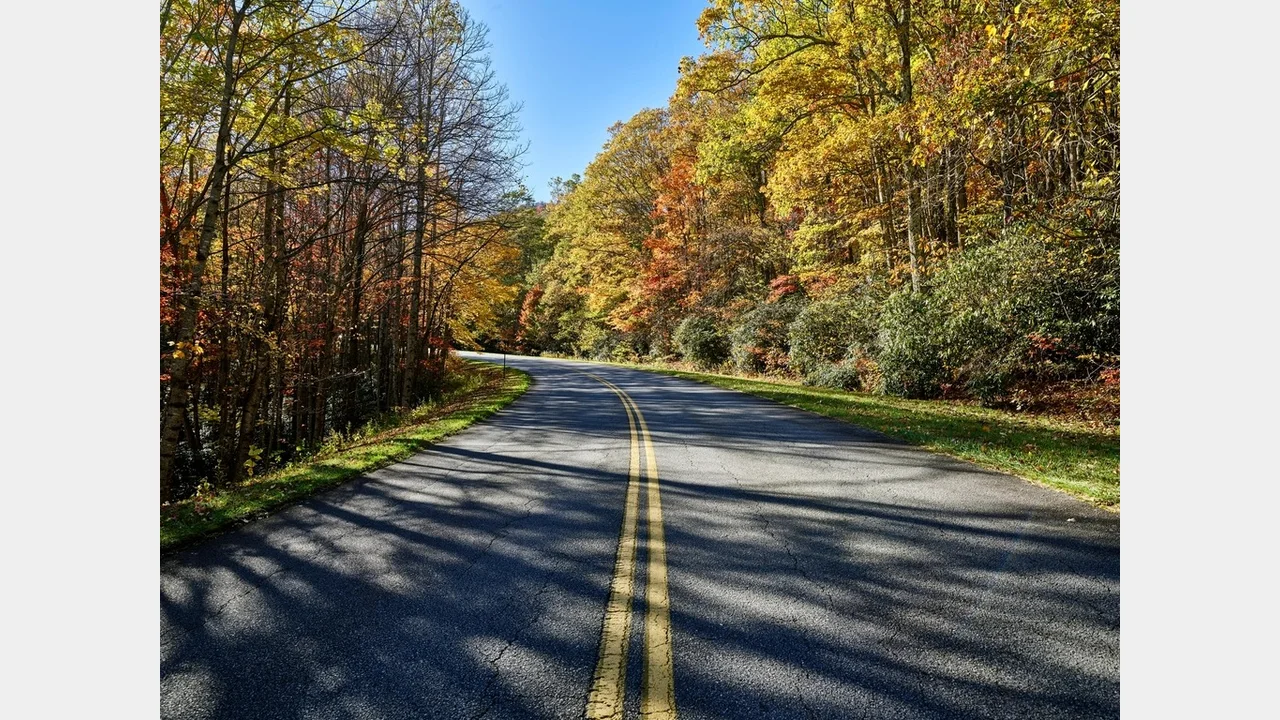
Blue Ridge Parkway driving conditions can shift quickly across its high-elevation route segment, turning a scenic cruise into a slow, traction-limited climb. Drivers checking conditions are usually trying to understand how road surface, visibility, and affected lanes might influence a planned drive. Because the parkway crosses ridgelines and shaded valleys, conditions often differ from nearby towns. A closure notice or advisory time may be the first sign that fog, ice, falling rock, or pavement damage has changed the route. Reading those alerts with an automotive eye helps a driver match speed, following distance, and vehicle preparation to what the road is actually doing.
Essential answer
Blue Ridge Parkway driving conditions describe the current state of the pavement, weather exposure, and traffic impacts along a road that behaves more like a mountain pass than a standard highway. The essential answer is that conditions are variable by elevation, time of day, and specific route segment. A clear section near a low overlook may sit just a few miles from a fogged-in ridge where visibility drops and the road surface stays damp. Checking conditions before departure matters because the parkway has limited alternate exits, and a closure notice can leave drivers with a long detour through unfamiliar terrain.
Advisory time is a useful clue when interpreting reports. A morning notice of icy patches may be less relevant by afternoon if sun has reached the pavement, while a late-day report of fog can signal worsening visibility as temperatures fall. Because the road has many curves, affected lanes may be narrowed by rockfall, tree work, or washouts rather than by heavy traffic. Drivers should read each alert for what it means to vehicle control: reduced sight distance, lower grip, or sudden stops. That practical reading is more useful than treating the parkway as having one uniform driving condition.