Vehicle restrictions on the Blue Ridge Parkway
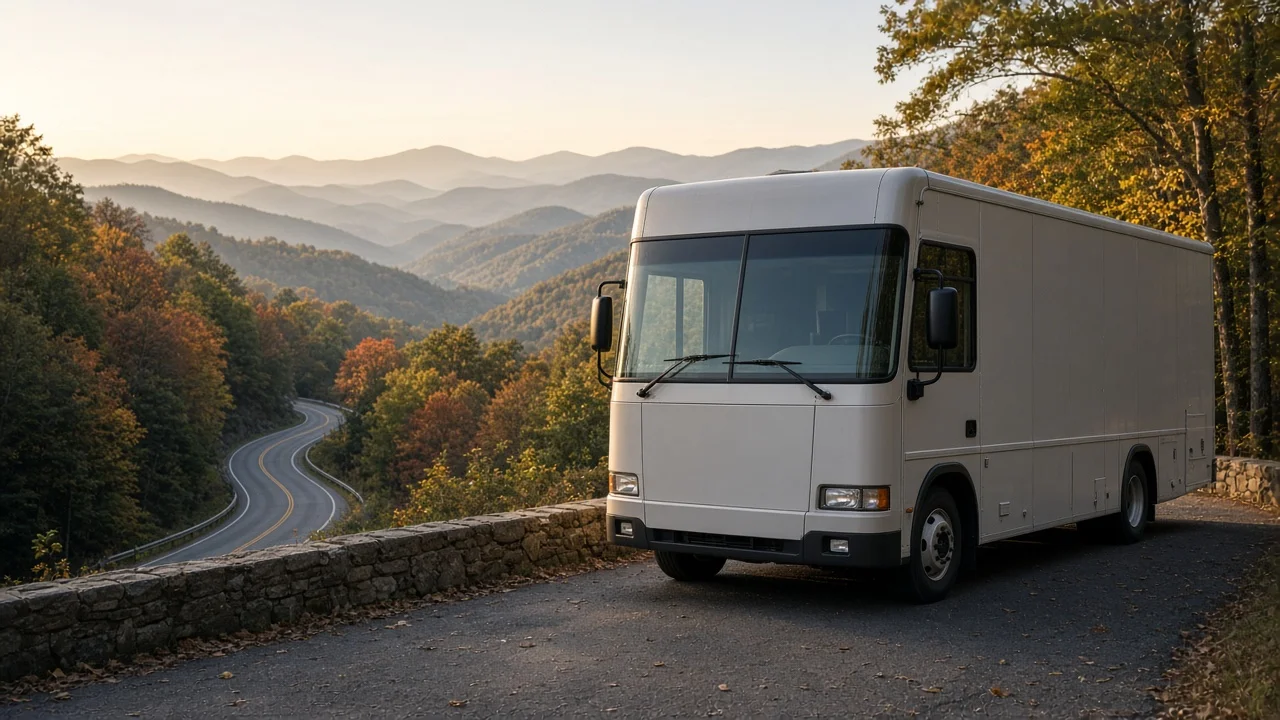
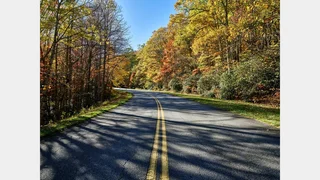
Vehicle restrictions on the Blue Ridge Parkway shape how drivers experience one of America's most distinctive scenic roads. This National Park Service route was designed for recreational travel, not as a through highway, so its road classification differs from ordinary interstates and state routes. Drivers encounter tunnels, overlooks, and lane layouts that affect larger vehicles more than a typical commute. Understanding the access restrictions before departure helps prevent detours and keeps travel conditions predictable. The route segment you plan matters because limits can change with elevation, weather, and facility design.
Essential answer
The essential answer is that the Blue Ridge Parkway is a recreational road where commercial trucking is generally prohibited, and motorhomes or trailers must respect tunnel clearances and length limits along specific route segments. Traffic signs at entrance ramps and overlooks state the operative prohibitions. Because the parkway is not a conventional through route, its travel conditions favor passenger vehicles and motorcycles. Drivers planning a multi-state trip should treat the parkway as a scenic corridor rather than a shortcut.
The scope of these vehicle restrictions varies by location. Some access restrictions relate to low tunnel heights, especially through ridge crossings, while others reflect narrow shoulders and limited lane layout at overlooks. A long trailer may be legal on one route segment and impractical on another. Weather can also narrow the safe operating window because fog, ice, and fallen debris reduce visibility and maneuvering space. Reading posted guidance before entering each district gives the most current interpretation for that section.