Bleed a brake booster
A spongy or inconsistent brake pedal after booster service usually points to air trapped in the hydraulic system rather than a vacuum leak. Bleeding a brake booster is not a standalone repair; the booster itself uses engine vacuum or hydraulic pressure to multiply pedal force, while brake fluid bleeding removes compressible air from the master cylinder, lines, and calipers. Understanding this distinction helps you avoid replacing the wrong component and directs attention to the correct fluid path and pedal-feel symptoms.
Essential answer
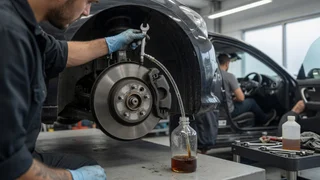
In common automotive language, “bleeding a brake booster” actually refers to two different jobs. A vacuum brake booster does not contain brake fluid to bleed. Instead, it may trap air in its vacuum chamber after installation, which can affect pedal assist until the engine draws the air out. Hydraulic brake bleeding, by contrast, removes air from the fluid circuit that starts at the master cylinder. Conflating these systems often leads to unnecessary parts replacement.
When the brake pedal feels soft, sinks slowly, or requires pumping to build height, air in the brake fluid is the more likely cause. The booster changes how much leg effort is needed, not whether the pedal is firm. If the engine is off and the pedal feels hard, the booster is probably not receiving or holding vacuum. If the pedal is low or spongy with the engine running, bleed the hydraulic system first and inspect for fluid leaks before blaming the booster.