Choose the best aftermarket brake booster
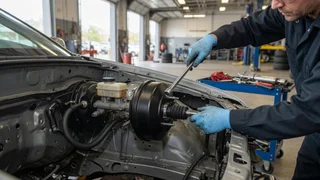
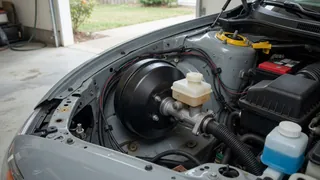
Choosing the best aftermarket brake booster starts with understanding how this vacuum or hydraulic assist component multiplies pedal force to reduce stopping effort. A replacement booster must match the mounting pattern, pushrod geometry, and vacuum supply characteristics of the vehicle, not just the external diameter. Shoppers compare new, remanufactured, and performance-oriented units because pedal feel, booster response, and long-term reliability change with internal diaphragm quality and valve calibration. Identifying the relevant design factors and the differences among common replacement styles helps narrow the field before purchase.
Relevant entries
The most relevant aftermarket brake booster options fall into direct replacement, remanufactured, and upgraded performance categories. Direct replacement units use the same case dimensions, firewall stud spacing, and master cylinder mounting flange as the factory booster, making them the simplest path when the original booster leaks or fails a pedal-travel vacuum test. Remanufactured boosters reuse the original metal shell while refreshing the internal diaphragm, reaction disc, and check-valve sealing surfaces. The appeal is reduced cost and factory-style fitment, though refinement depends on the consistency of the remanufacturing process and the condition of the core shell.
Performance aftermarket boosters are included in the narrower selection of candidates when the vehicle has a modified camshaft, larger master cylinder, or repeated pad knockback that exposes weak assist behavior. These boosters may feature a dual-diaphragm chamber, revised internal valving, or a smaller overall case that improves clearance around tall valve covers. A booster with a larger effective diaphragm area can generate more assist for a given vacuum level, producing a firmer and shorter pedal stroke. Relevance for a particular vehicle depends on available vacuum, brake-line pressure goals, and whether the replacement retains the correct pushrod length for the pedal clevis.
Differences and suitability
The primary suitability difference is between a single-diaphragm booster and a dual-diaphragm design. A single-diaphragm unit is often thinner but requires a larger diameter to create the same assist force, which can crowd hydraulic lines or intake plumbing. A dual-diaphragm booster stacks two working chambers to develop comparable assist in a more compact package, making it useful in vehicles with limited firewall space or lower steady-state engine vacuum. Pedal feel also changes: the smaller chamber volume can produce a slightly quicker response, while the larger single-diaphragm unit may feel more progressive but closer to the factory calibration.
Suitability also turns on vacuum supply, check-valve condition, and master cylinder compatibility. A brake booster that relies on a one-way check valve helps preserve reserve assist after throttle closure, but it cannot compensate for a chronically weak vacuum signal from an aggressive camshaft without an external vacuum pump or hydroboost conversion. Aftermarket replacement choices may also differ in the depth and thread of the pushrod tip that engages the master cylinder piston. Comparing sealing surfaces, rod adjustment range, and chamber configuration on shared criteria avoids choosing a unit that fits the firewall yet changes pedal height and release behavior.