Best Oil for a Flat-Tappet Cam Engine: What to Use and Why
Engines with flat-tappet camshafts need different oil than most modern engines, and the wrong choice can wear out a camshaft quickly. This guide explains why and lists the main oil types worth considering. It is a selection of commonly recommended options, not a complete inventory of every suitable product.
Why Flat-Tappet Engines Are Particular About Oil
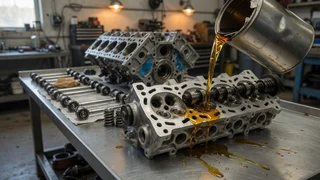
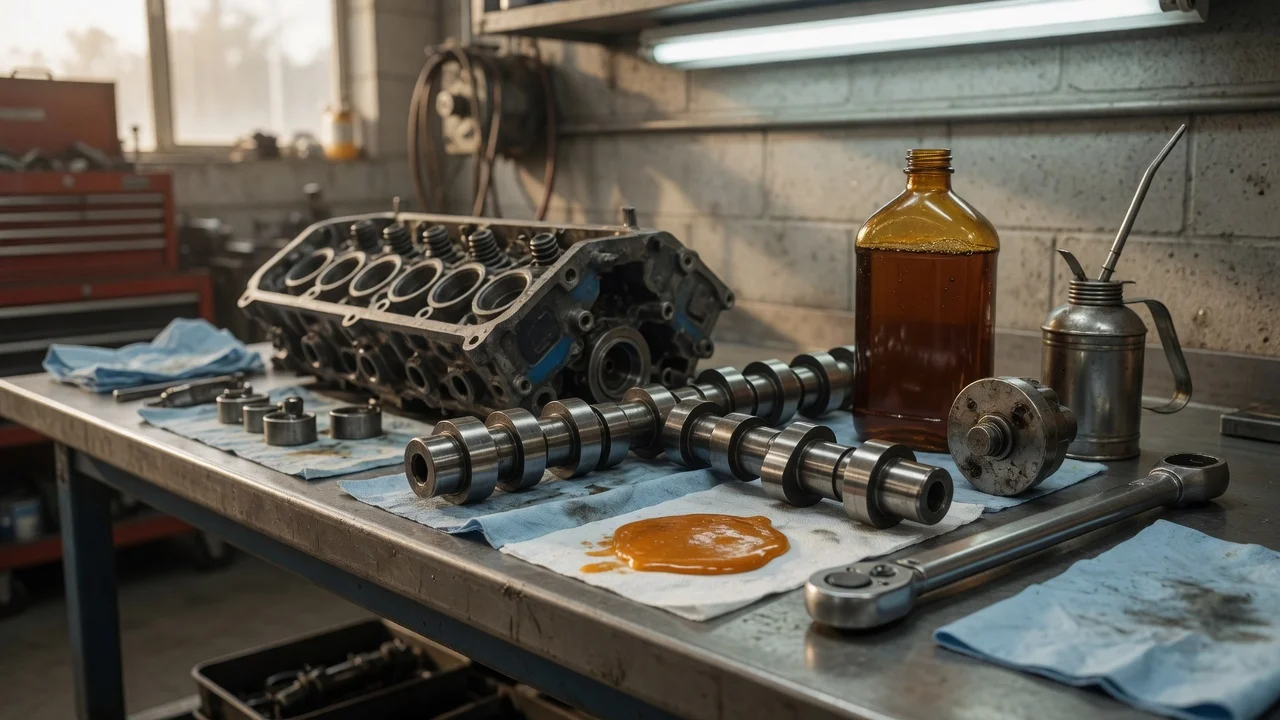
A flat-tappet camshaft uses lifters with a flat or very slightly crowned base that slides directly against the cam lobe. A roller camshaft uses lifters fitted with a small wheel that rolls along the lobe. Sliding contact puts the lobe and lifter face under very high pressure, so the oil film alone cannot always keep the metal surfaces apart.
Where the oil film breaks down, protection comes from anti-wear additives. The best known is ZDDP (zinc dialkyldithiophosphate), usually called zinc or zinc and phosphorus. Under heat and pressure, ZDDP forms a protective layer on the metal that limits wear between the lobe and lifter.
Most passenger-car oils made to current API and ILSAC standards have reduced phosphorus levels, mainly because phosphorus can damage catalytic converters over time. Modern engines with roller lifters and overhead cams handle these oils well. Older engines with flat-tappet cams, and rebuilt engines with new flat-tappet cams, may not get enough anti-wear protection from them. This mostly affects pushrod V8s and inline engines from the 1980s and earlier, but check the camshaft design of your specific engine rather than going by its age.
Terms That Are Easy to Confuse
Flat tappet vs. roller cam: describes how the lifter meets the cam lobe. Only the flat-tappet design depends heavily on ZDDP-type protection. Hydraulic vs. solid (mechanical) flat tappet: describes how valve lash is controlled, not how the lifter contacts the lobe. Both types are flat tappets and both need adequate anti-wear protection. High-zinc, high-ZDDP, classic car oil: marketing labels with no single defined standard. Read the product data sheet instead of relying on the label. Break-in oil: oil made for the first run-in period of a new or rebuilt engine. Many are not meant for long-term use.
How This List Is Organized
An oil belongs on this list if it is sold or widely used as a lubricant for flat-tappet engines and its anti-wear additive content is higher than typical current passenger-car oils, or it is designed for that purpose. Entries follow an engine's life, from break-in to daily street use to high-stress use. They are not ranked. No independent lab tests comparing these products were available for this guide, so no product is named the best overall. Formulations change over time, so check the manufacturer's current data sheet before buying.
1) Dedicated Break-In Oil
The first minutes of running are when a new flat-tappet cam is most likely to fail, because the lobes and lifter faces are still wearing into each other. Break-in oils have a high level of anti-wear additives for this stage. Examples include Driven (Joe Gibbs) BR break-in oils and break-in oils sold by camshaft makers such as Comp Cams. Many builders also coat the lobes and lifter bases with assembly lube and follow the cam maker's break-in procedure, often a period of steady higher-rpm running instead of idling. That procedure varies by cam maker, so follow the instructions for your camshaft. Many break-in oils have reduced detergent content and are meant to be drained after the break-in period. Check the product's guidance on how long to run it.
2) High-Zinc Street and Classic Car Oil
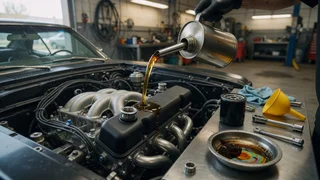
For a broken-in engine that is driven regularly, the most common choice is a full-detergent oil made for older or performance engines with added anti-wear protection. Products in this group include Valvoline VR1 Racing (which is also sold in street-oriented versions), Penn Grade 1 (formerly sold as Brad Penn), Lucas Hot Rod and Classic Car oil, and Driven's street-oriented hot rod oils. These oils usually keep enough detergents and dispersants for normal oil change intervals. Check whether a given product is labeled for street use or racing only.
3) Racing Oil for High-Load Engines
Engines with aggressive cam profiles or high valve spring pressures put even more stress on the lobe and lifter. Racing oils from makers such as Driven, Valvoline, Royal Purple and Penn Grade often have high anti-wear content for this reason. Some have reduced detergent levels and are meant for short change intervals, so they may not suit a car that sits for long periods or is driven daily. Use racing oil only where its maker supports your type of use.
4) Heavy-Duty Diesel Engine Oil
Many owners of older gasoline engines use heavy-duty diesel oils, often in a 15W-40 grade, such as Shell Rotella T or Chevron Delo. These oils have traditionally had higher anti-wear additive levels than passenger-car oils, and they are easy to find. Diesel oil specifications have changed over the years, and some current versions have less anti-wear additive than older ones. Check the current data sheet, and make sure the viscosity suits your engine and climate.
5) Conventional Oil With a ZDDP Additive
Another option is a regular motor oil mixed with an aftermarket ZDDP additive, such as those sold by camshaft and engine parts suppliers. The advantage is flexibility. The downside is that adding chemicals to a finished oil changes a balance its maker designed, and more anti-wear additive is not always better. Follow the additive maker's dosing instructions exactly. If you are unsure, an oil already formulated for flat-tappet engines is the simpler choice.
Choosing Viscosity
Anti-wear content is only part of the decision. Viscosity, the oil's thickness grade such as 10W-30 or 20W-50, should match your engine's original specification or your engine builder's recommendation. Bearing clearances, operating temperature and climate all play a role, and no single grade is right for every flat-tappet engine. Check the owner's manual, a factory service manual or your engine builder for the correct grade.
Limits of This Guide
This guide does not list specific zinc or phosphorus concentrations or compare test results, because no verified measurements were available. Claims of superior protection were left out for the same reason. For exact additive levels, use each manufacturer's current product data sheet or an independent oil analysis. For engines with original warranty terms or unusual designs, the vehicle or engine maker's guidance comes first.