High-Zinc Engine Break-In Oil: When You Need It and When You Don't
The short answer
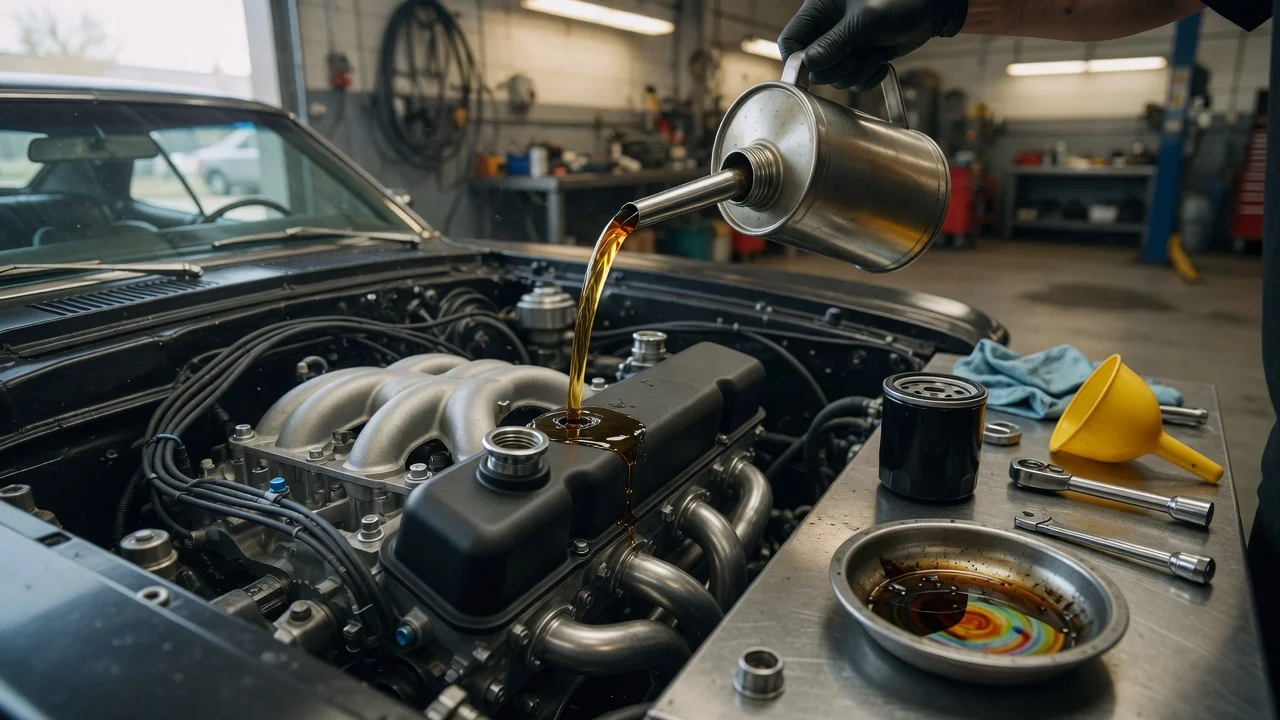
A high-zinc break-in oil is generally recommended when you are starting a freshly built or rebuilt engine that uses a flat-tappet camshaft. If the engine uses roller lifters, or it is a modern production engine still covered by the manufacturer's maintenance schedule, a dedicated high-zinc break-in oil is usually unnecessary. In that case, the oil the engine or component manufacturer specifies is normally the safer choice. The camshaft and lifter design is the main factor that changes the answer, so confirm it before you buy oil.
What "high zinc" actually means
"Zinc" in this context is shorthand for ZDDP (zinc dialkyldithiophosphate), an anti-wear additive. Under high pressure and heat, ZDDP forms a protective film on metal surfaces. That film helps prevent metal-to-metal contact where parts slide against each other under heavy load. ZDDP supplies both zinc and phosphorus, and oil specifications often limit the phosphorus content.
Why flat-tappet engines are the main case
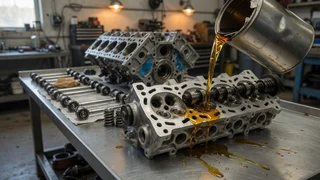
In a flat-tappet design, the lifter face slides directly across the cam lobe under heavy spring pressure. During the first minutes of running, the cam lobes and lifter faces are still wearing in against each other. This is the period when a lobe or lifter is most likely to wear prematurely or fail. Extra anti-wear additive is intended to protect those surfaces while they mate. Roller lifters roll across the lobe instead of sliding, so they depend much less on this type of additive protection.
Why not just use a regular modern oil
Many current passenger-car oils limit phosphorus because it can degrade catalytic converters over time. Their ZDDP levels are set for modern roller-cam engines with emissions equipment. For a new flat-tappet cam, builders and cam manufacturers often consider those levels marginal. This is why specialty break-in oils and zinc-boosting additives exist.
Conditions that change the recommendation
Camshaft type: flat-tappet cams are the main reason to use a high-zinc break-in oil. Roller cams usually do not need it. Catalytic converter: high phosphorus can shorten converter life. A vehicle that must keep a working converter needs extra caution, and you should limit high-zinc oil to the break-in period itself. Cam or engine builder instructions: the cam manufacturer or engine builder may specify an oil, an additive, assembly lube, spring setup and run-in procedure. Their instructions take priority over general advice, and ignoring them may affect warranty coverage. Factory warranty: on a vehicle under manufacturer warranty, use the oil grade and specification listed for that model year, market and engine. Intended use after break-in: break-in oils are designed for the run-in period, not as a long-term oil. Many builders change the oil after break-in. Whether a flat-tappet engine should stay on a higher-zinc oil afterward is a separate decision; your cam supplier's guidance is the best basis for it.
Oil is only part of a successful break-in
Break-in oil reduces risk but does not guarantee a good result on its own. For flat-tappet cams, builders typically also:
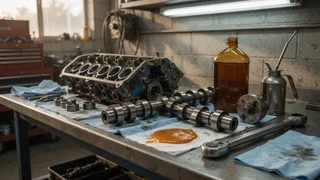
Coat the lobes and lifter faces with the assembly lube the cam supplier recommends. Use valve spring pressures suited to the break-in period. Follow a specific initial run-in procedure, often with sustained moderate engine speed rather than prolonged idling. Use the exact steps and limits given by the cam or engine supplier.
What this guide cannot confirm
No product data, test results or engine-specific specifications were available for this article. It therefore does not name brands, quote zinc or phosphorus concentrations, or state run-in times or speeds. It also cannot confirm which camshaft design a particular vehicle uses, because that varies by model year, market, engine and any previous rebuild. Check the factory service information or the parts records for the specific engine, and use the cam or engine builder's published oil and break-in requirements for exact values.
Suggested next step
First, confirm whether your engine has flat-tappet or roller lifters. If it is a flat-tappet engine being started for the first time after a build or cam change, get the cam manufacturer's oil and break-in instructions and choose a break-in oil or additive that meets them. If it has roller lifters or is a factory engine under warranty, use the manufacturer's specified oil unless your engine builder gives different instructions.