Best EV Charging Cables
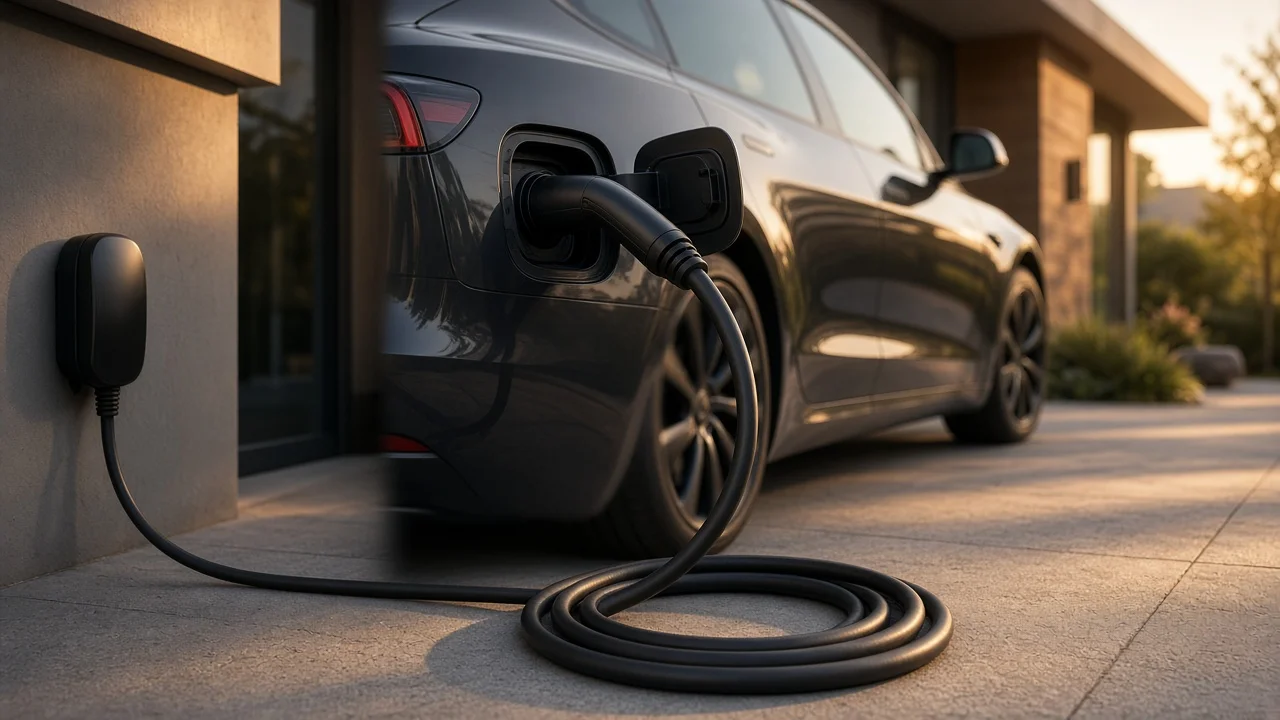
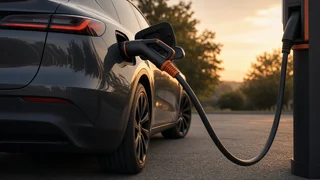
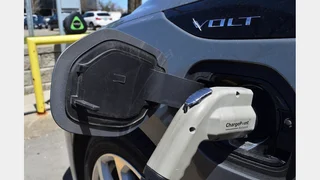
Choosing a charging cable for an electric vehicle is about matching the connector standard, vehicle compatibility, and available supply capacity to your daily driving routine. The right cable supports reliable energy transfer at home or public stations, while the wrong interface can limit charging power or prevent a session. This guide explains how to evaluate a Type 2 cable, compare duty cycles, and recognize why cable length, weather resistance, and onboard charger limits shape real-world performance before you buy.
Relevant entries
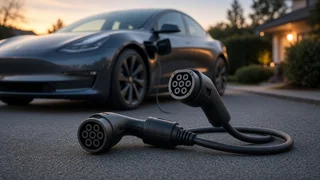
The relevant entries for a Type 2 EV charging cable start with cables that carry the full conductor count and signaling pins required by the charging protocol. A cable built to the Type 2 connector standard supports single-phase and three-phase alternating current, which means it can adapt to lower home supply capacity and higher public station output. Prioritize cables whose rated voltage and current exceed what the vehicle’s onboard charger will request, preventing thermal stress during long sessions.
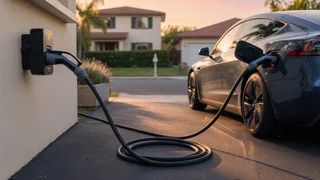
A second relevant category is portable cables with weather-resistant jackets and robust strain relief near the plug bodies. These cables handle coil storage, driveway abrasion, and repeated insertion without cracking the insulation or loosening the pilot contacts that manage the handshake between vehicle and station. Cables with bright or reflective outer layers also improve visibility at night, reducing trip hazards when charging outdoors or across a sidewalk during an overnight energy top-up.