Type 1 to Type 2 EV Charging Cables and Adapters
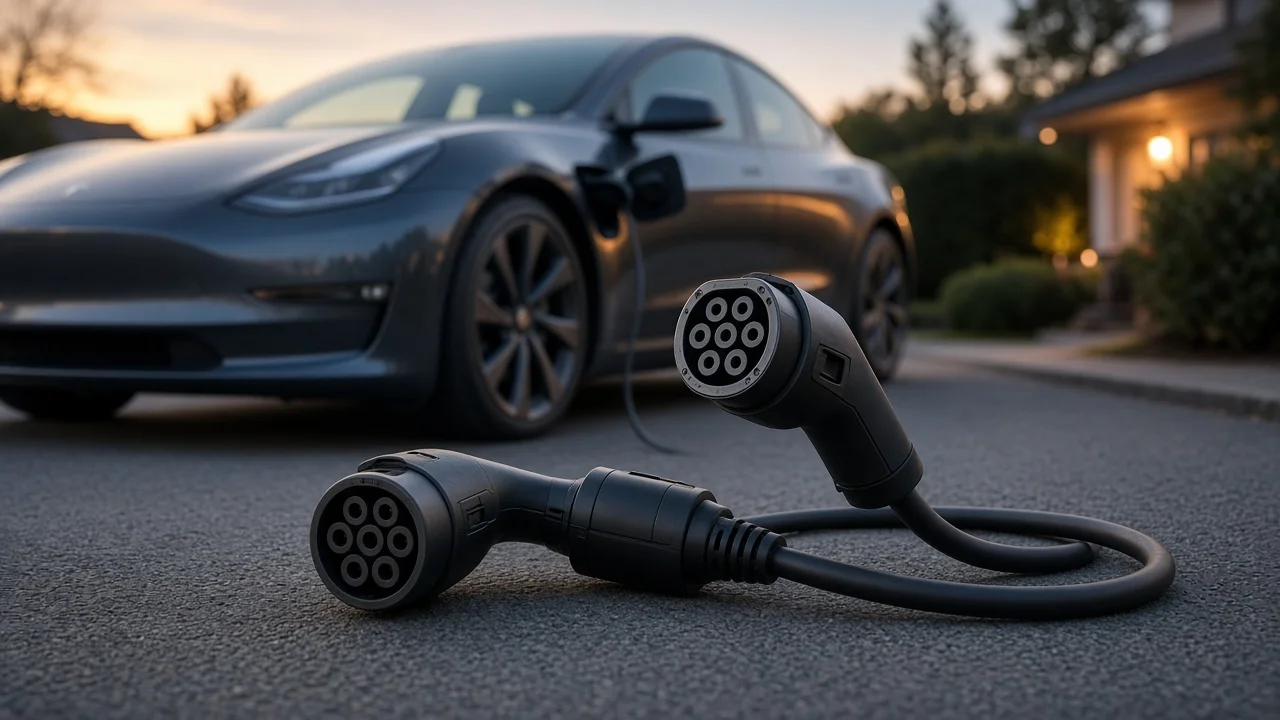
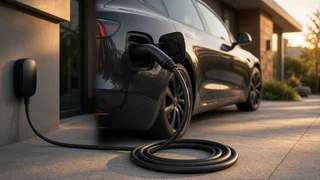
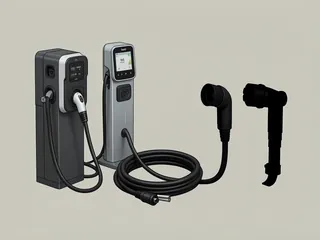
Choosing the right EV charging cable often comes down to one practical question: will your vehicle inlet and the charging station outlet actually fit together? In North America, many older or imported electric cars use the Type 1, or J1772, connector, while many modern stations and vehicles use the Type 2, or Mennekes, design. A Type 1 to Type 2 EV charging cable or adapter bridges that physical difference, but it does not change the charging protocol. Before buying, consider connector gender, charging power, vehicle compatibility, and the supply capacity of the equipment you will use.
The direct answer
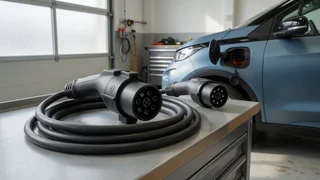
A Type 1 to Type 2 EV charging cable generally works when a vehicle with a Type 1 inlet needs to connect to a charging station or wallbox with a Type 2 socket. The cable has a Type 1 connector on the vehicle end and a Type 2 connector on the station end. An adapter may perform a similar job, but the direction matters: a Type 1 to Type 2 adapter for an EV charging cable is not the same as a Type 2 to Type 1 adapter. Each one changes which physical plug can be mated, so selecting the correct direction is essential.
The physical connection is only part of the answer. Type 1 and Type 2 connectors both carry alternating current and use similar pilot signal communication, but the cable or adapter does not convert voltage or renegotiate the charging protocol. The vehicle charger and the supply equipment still control the session. An adapter can be a useful travel accessory for using a public Type 2 socket with an older Type 1 vehicle, provided the adapter is rated for the available current and the vehicle is compatible with the station output.