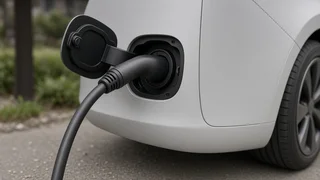
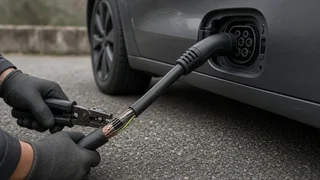
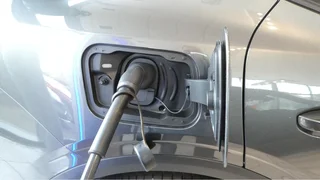
Level 1 EV Charging Cable
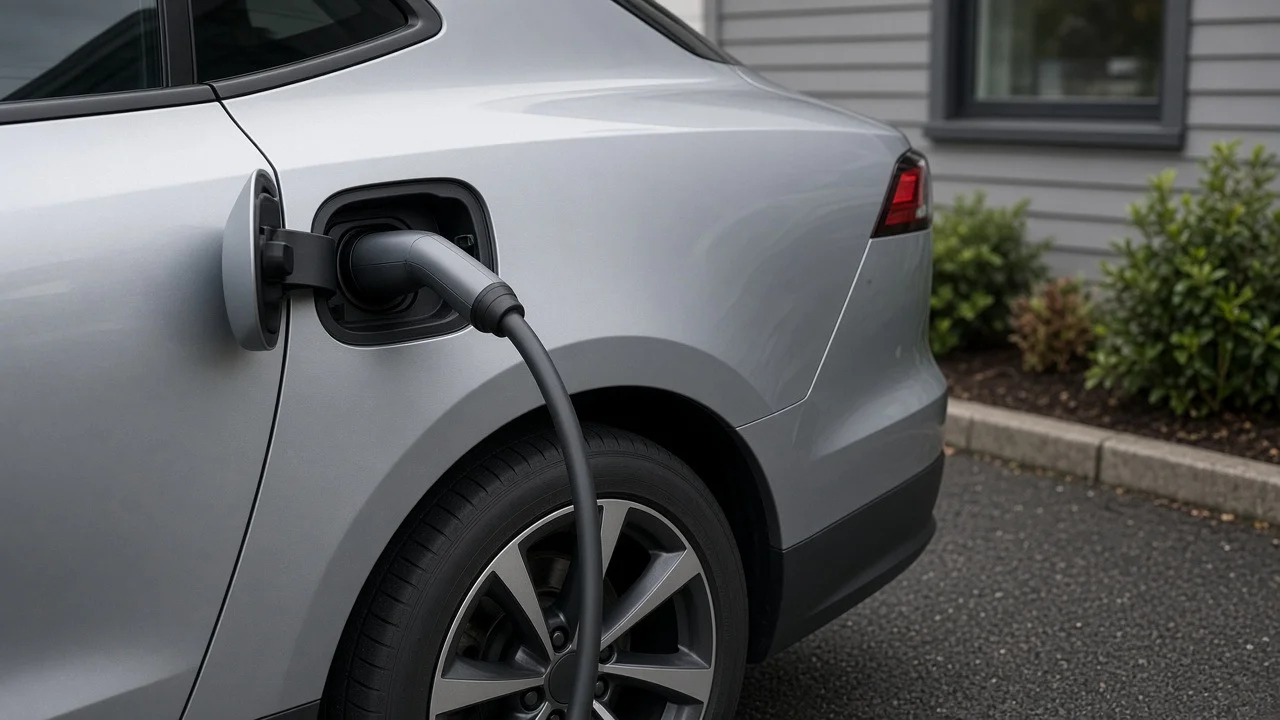
A Level 1 EV charging cable is often the first charging solution an electric vehicle owner uses, and choosing the right one matters more than many buyers expect. The cable plugs into a standard household outlet and delivers modest charging power, so vehicle compatibility, connector standard, supply capacity, and charging protocol shape real-world results. Buyers researching a level 1 EV charging cable frequently overlook how cable length, outlet condition, and energy consumption affect overnight recovery. Understanding those factors helps match a portable cord to daily driving without overpaying for capability the car cannot use.
The direct answer
A Level 1 EV charging cable is the portable cord that connects an electric vehicle to a common 120-volt household receptacle. It is the slowest standard charging method, but it remains useful when the vehicle sits parked for many hours and the daily commute is short. The relevant meaning of level 1 EV charging cable includes the cord set, its control box, and the plug that fits the car’s charging port. Vehicle compatibility depends on the connector standard at the car end and the wall plug at the supply end.
Charging power is limited by the outlet’s supply capacity, so the same cord may add fewer miles of range per hour on a shared or older circuit. An extra long level 1 EV charging cable can solve reach problems, but extra length increases resistance slightly and may reduce delivered current or create a tripping hazard. When comparing an ev charging cable level 1, buyers should confirm the plug type, cord length, weather rating, and whether the cord is supplied by the automaker or sold as a replacement. A fault code during charging is a prompt to check the outlet and connections before replacing parts.