Phoenix Contact EV Charging Cables
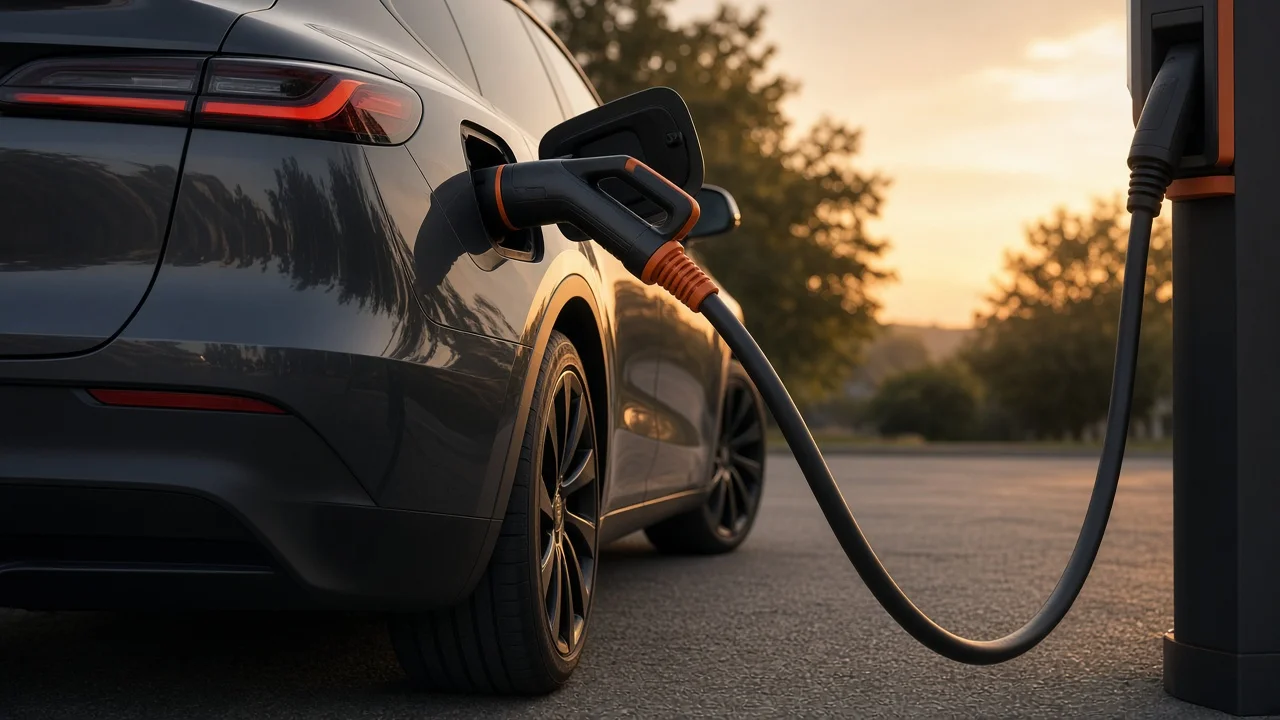
When an electric vehicle driver searches for a Phoenix Contact EV charging cable, the question usually starts with a specific brand but quickly expands into connector standards, charging power, and vehicle compatibility. A charging cable is not a universal accessory; its plug geometry, control signaling, and current rating must align with both the vehicle inlet and the available supply capacity. The charging protocol handled by the cable influences how safely energy moves between the wall or pedestal and the battery. Understanding these details helps separate a genuine product line from generic alternatives and connects the brand name to everyday charging decisions.
Essential answer
Phoenix Contact is an industrial electrical equipment manufacturer with a broad product range that includes high-power connectors, cables, and infrastructure components used in electric vehicle charging systems. When people refer to a Phoenix Contact EV charging cable, they are generally describing a cable assembly built around high-current DC or AC connector technology, often intended for commercial stations, fleet depots, or specialized charging installations rather than only a lightweight home cord. The essential answer is that this is a component category tied to charging interfaces, not a single consumer accessory with one fixed plug.
Practical identification depends on the complete assembly: the plug standard at each end, the charging power the cable is rated to carry, and the vehicle compatibility required by the inlet. A cable used with a CCS connector must support different communication pins than a cable used with a legacy CHAdeMO or a lower-power AC setup. Supply capacity also matters because a cable rated for high amperage may be physically thicker and liquid-cooled, while a smaller cable is suited to more modest energy consumption. Without confirming the exact part number, the safest approach is to treat the phrase as a request for industrial charging cable technology rather than a specific model instruction.