EV Charging Adapter
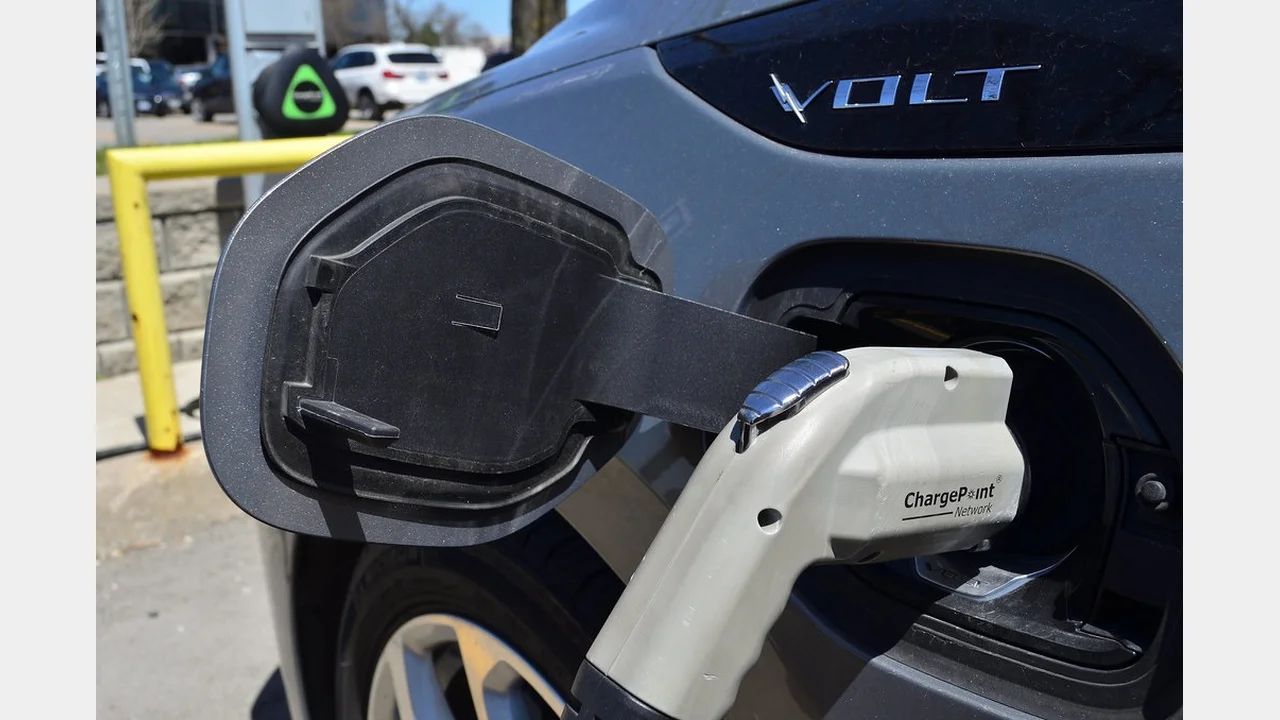
Choosing an EV charging cable adapter starts with matching the connector standard on the vehicle inlet to the plug on the charging station or cord you already use. An adapter can bridge a physical interface difference, but it cannot create charging power the car or supply equipment does not support. Before buying, confirm the adapter’s connector types, current rating, and charging protocol match your daily charging situation. The right part makes an incompatible station usable, while the wrong one may fit loosely, overheat, or fail to start a session.
The direct answer
The direct answer is that an EV charging cable adapter is worth buying when you regularly encounter a charging station or cable with a different connector than your vehicle’s inlet, provided the adapter is rated for your car’s expected charging power and supports the same charging protocol. Adapters are most useful for bridging connector standards, such as using a destination charger with a different plug shape. Vehicle compatibility is the first condition that materially changes the answer, because an adapter does not alter the vehicle’s onboard charger limits or the station’s supply capacity.
A second condition is the charging environment. If the adapter will be used only occasionally, a simple passive connector adapter may be enough. If it will carry high current for long sessions, look for robust contacts and a thermal rating appropriate to the circuit. Also consider energy consumption during the session; higher charging power shortens the stop but increases heat in the adapter. When the connector standard, protocol, and power level align, the adapter becomes a practical way to expand access to existing equipment without replacing the cable.