Best backup camera with dynamic parking lines
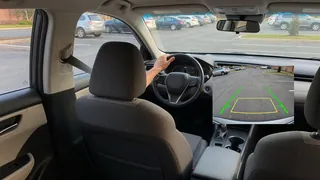
Choosing a backup camera with active parking lines matters most when you need to judge how the vehicle will fit into a tight space before you turn the wheel. Dynamic guidelines move in real time with steering input, showing projected tire paths rather than a static centerline. That helps you compare available clearance with vehicle dimensions while watching for low posts, curbs, or posted signs that define a parking restriction. This guide explains what to look for when comparing current options, how the overlay works, and why display quality and adjustable marker placement affect real-world usefulness in everyday backing and parking maneuvers.
Relevant entries
A strong choice in this category starts with a camera that projects steering-responsive trajectory lines on a clean, low-lag video feed. The dynamic overlay is generated from angle sensor data or a connection to the vehicle’s reverse signal and steering system, so the guide curves should bend immediately as the wheel rotates. Look for a wide viewing angle that captures the area directly behind the bumper while keeping edges reasonably free of fisheye distortion. If the image is washed out in sunlight or grainy at night, the guidance lines become less reliable even when the parking calculation is accurate.
Relevance also depends on mounting position and how well the grid matches the actual tire track. Cameras mounted above the license plate provide a centered rear view, while universal units may require fine adjustment to align the overlay width with the rear axle track. Drivers should prioritize models with clearly adjustable guidelines or calibration steps that account for available clearance and local maneuvering space. A camera that makes the lines easy to see against pavement, snow, or wet concrete is more helpful than one that simply advertises dynamic parking lines without usable contrast or perspective.