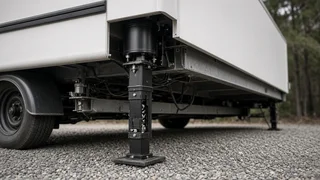
BAL Leveling Jacks
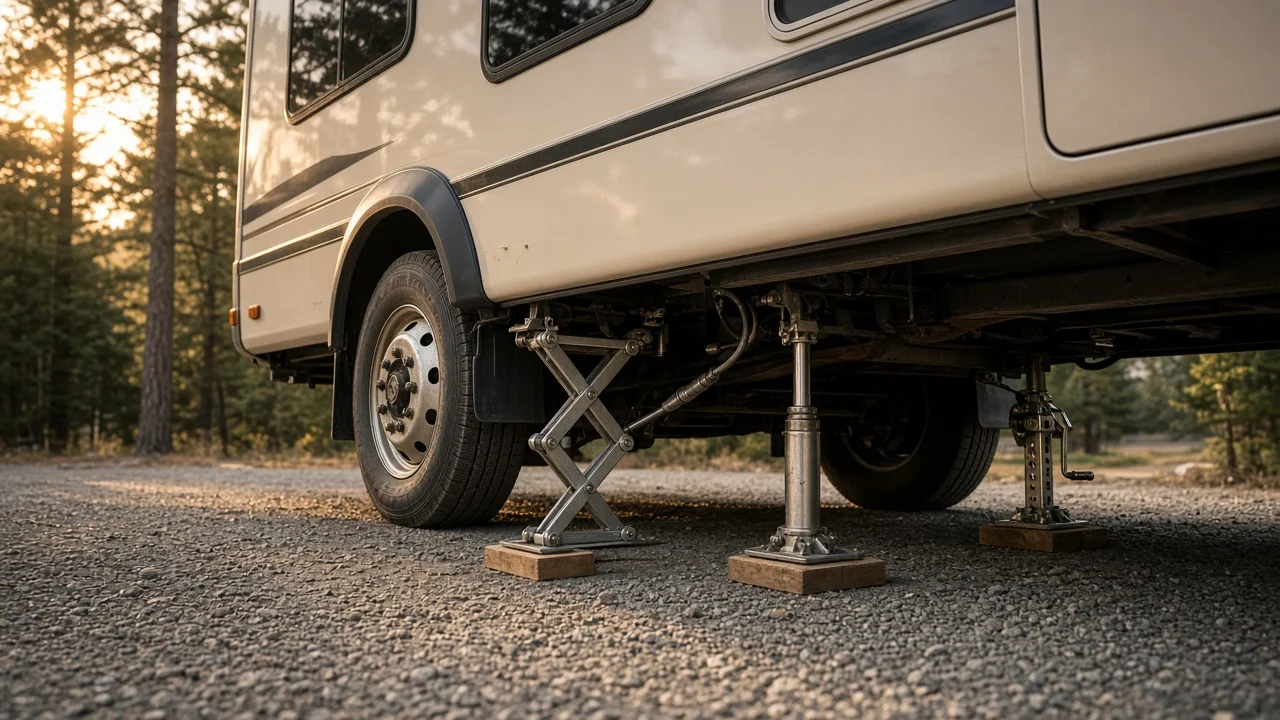
Choosing BAL leveling jacks means matching the support hardware to how your RV actually sits and moves. These devices are part of a leveling system that raises, levels, or stabilizes a trailer or camper at a camping spot. The direct answer depends on model compatibility, load rating, frame design, mounting location, and the ground under the jack. A jack that suits one trailer may overload another support point or sit too close to a slide-out. Evaluate the full setup before buying so the jacks work with the chassis, not against it, and follow the manufacturer instructions for placement.
The direct answer
For most RV owners, BAL leveling jacks are a practical choice when the trailer’s frame and gross weight fall within the jack’s listed range. The immediate buying decision turns on the load rating for each support point, not just the overall trailer weight. A single jack can carry a concentrated share of the coach’s mass on uneven ground, so matching that figure to the axle or frame position matters. If the conditions include soft soil, steep side-to-side slope, or an older chassis with corrosion, a heavier-duty option or a wider base may be required even when the paper rating looks adequate.
Ground stability is the other condition that changes the answer. A jack works by transferring load into the surface beneath the pad, and a narrow foot can sink into gravel, mud, or hot asphalt. That can shift the leveling system and put unexpected stress on a stabilizer mounting. Buyers should look at the extension range and the contact area at the base, then picture the worst campsite surface they use. If the site is frequently unpaved, pairing the jacks with load-distributing pads is part of the correct purchase rather than an optional add-on.