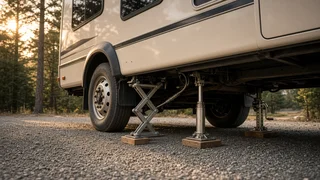
BAL Electric Stabilizer Jacks
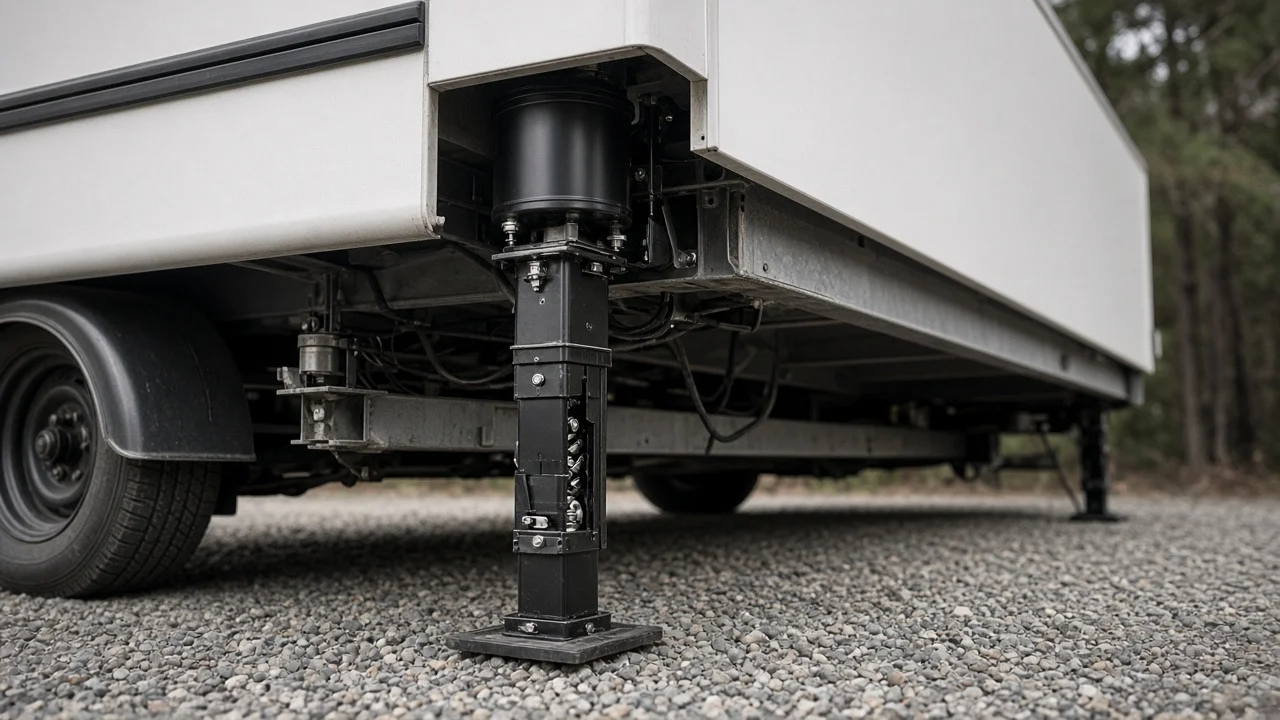
Shopping for BAL electric stabilizer jacks usually starts with one question: will this setup actually steady the RV and fit the frame? The answer depends on the support point, mounting surface, and the total load rating expected at each corner. A powered leveling system reduces cranking effort, but it cannot fix weak ground stability or a flexing chassis. Buyers comparing options should weigh the stabilizer mounting hardware, trailer height, and manufacturer instructions before purchase. The following section explains the direct answer and the conditions that materially change whether this electric stabilizer choice works for a given camper.
The direct answer
BAL electric stabilizer jacks are intended to reduce trailer rocking at a support point by replacing manual crank effort with a motor-driven leg. The direct answer is yes, they can be an appropriate purchase when the camper already has a compatible stabilizer mounting area and the electric drive is rated for the corner weight. They are stabilizers, not a primary lift or leveling system, so the vehicle must first be positioned on a reasonably level surface. Ground stability still matters because a powered leg pressing into soft soil or an uneven pad can shift instead of steadying the trailer.
The main condition that changes the answer is mounting and clearance. A jack that cannot sit flat against a reinforced frame location may fail early, while one that hangs too low can drag or strike a curb. Load rating must also match the expected dynamic force, not just static weight. If the trailer has large slide rooms or a flexible chassis, more support points or a different stabilizer mounting may be needed. Checking manufacturer instructions for your specific frame and electric wiring path confirms whether this upgrade is practical before you buy.