Allison Transmission Output Speed Sensor Identification
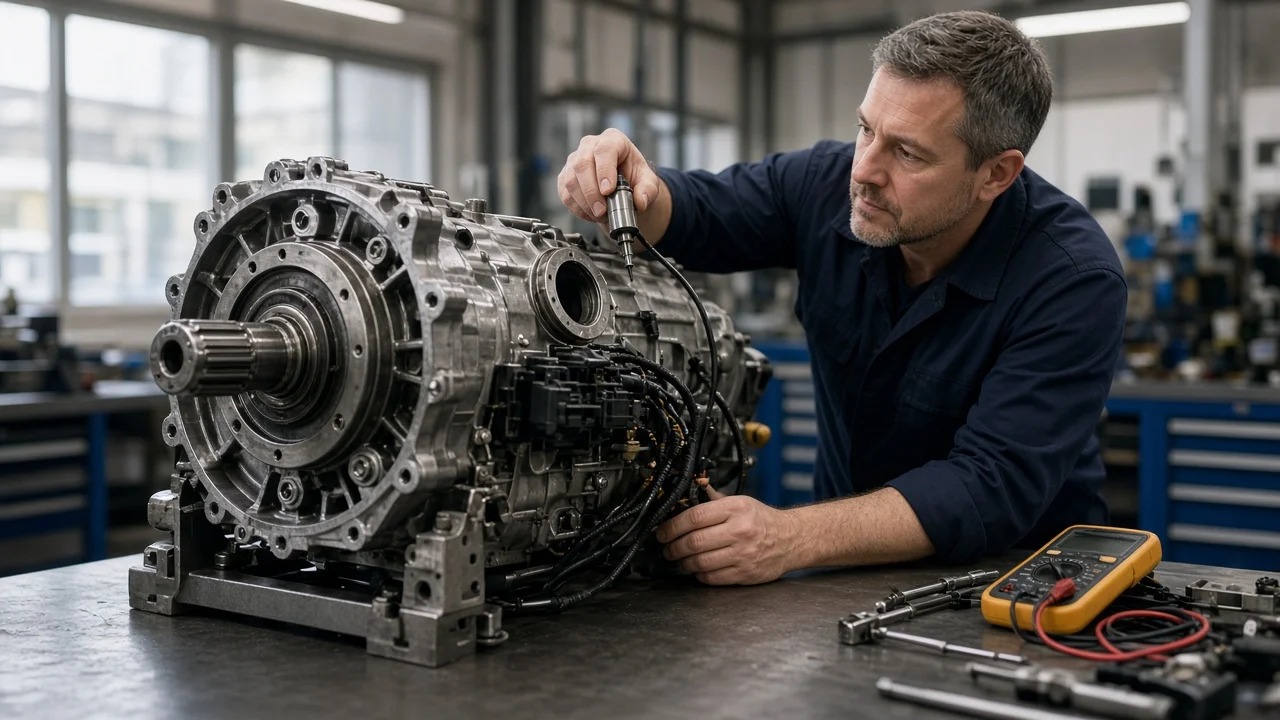
The output speed sensor on an Allison automatic reports how fast the transmission output shaft is turning, and the transmission control module relies on that signal for shift timing and several related functions. Identifying the right sensor starts with knowing which Allison unit is installed and how it is configured, because location, connector style and part number differ between families and options. This guide explains how to recognize the sensor, what affects fitment, and how to approach a suspected problem without guessing.
Short answer: locating and identifying the sensor
On most Allison units the output speed sensor sits toward the rear of the transmission, near the output shaft or tailhousing, where its tip faces a toothed tone wheel that turns with the output. It is a separate part from the input and turbine speed sensors, which read rotation farther forward in the case. Reliable identification comes from three sources used together: the transmission nameplate on the case, which lists model, serial and assembly numbers; the vehicle VIN and factory option data; and any part number stamped or printed on the existing sensor. Matching a replacement by appearance alone is risky, because sensors with similar bodies can differ in length, tip design or connector.
Because the speed sensors on one transmission can look alike, confirm which port you are working on before ordering or removing anything. A sensor installed in the wrong bore, or connectors swapped between sensors, produces misleading readings that can look like a new fault.
How the output speed sensor works
Many Allison speed sensors are magnetic pickups. As the teeth of the tone wheel pass the sensor tip, they disturb a magnetic field and generate an alternating signal whose frequency rises with shaft speed. The control module converts that frequency into output speed and compares it with engine, input and turbine speed. From those comparisons it calculates the actual gear ratio, detects clutch slip, schedules upshifts and downshifts, and manages torque converter clutch lockup. On some vehicles the same signal also feeds the speedometer or cruise control.
If the output speed signal disappears or becomes implausible, the module typically logs a diagnostic code and may hold the transmission in a fixed gear as a protective fallback. The signal depends on more than the sensor itself: the gap between the tip and the tone wheel, the condition of the teeth, clean wiring and a solid connector all affect what the module receives. Fine metallic debris attracted to a magnetic tip can also distort the signal.
What changes the answer for your vehicle
Transmission type is the first variable. Allison 1000 and 2000 series units appear in heavy-duty pickups, vans, motorhomes and medium-duty trucks, while 3000 and 4000 series units are used in larger trucks, buses and coaches. Within a family, control generations and model-year updates can change sensor design, connector shape and wiring, so a part that fits one year may not fit another of the same model.
Drivetrain configuration matters as well. A two-wheel-drive unit with a plain tailhousing may place the sensor differently from a four-wheel-drive unit with a transfer case adapter. Options such as an output retarder or power takeoff can change the rear housing and therefore the sensor location or length. Vehicle manufacturers may also list their own part numbers instead of Allison numbers, so fitment should be checked against both the vehicle build data and the transmission nameplate.
How the vehicle uses the signal changes symptom interpretation. If the speedometer reads from ABS wheel speed sensors rather than the transmission, a dead gauge points somewhere else entirely, while a vehicle that takes road speed from the transmission may show both shifting and speedometer problems at once.
What the owner can do
Start by recording the transmission nameplate information and the VIN. Then read diagnostic codes with a scan tool that can communicate with the transmission controller, since basic engine code readers may not show transmission-specific codes. On OBD-II vehicles, the generic P0720 to P0723 range describes output speed sensor circuit, performance, no-signal and intermittent faults. Note the shift behavior you experience: harsh or delayed shifts, being stuck in one gear, a speedometer that drops out, or problems that only appear when hot or over bumps. If the scan tool shows live data, compare output shaft speed with actual road speed during a careful drive.
A visual inspection is often productive. Look for a loose or corroded connector, fluid inside the connector, and harness damage near the exhaust, driveshaft or frame. If you remove the sensor, inspect the tip for debris and the seal for damage, and note any heavy metal accumulation, which can indicate internal wear worth investigating. Electrical tests such as resistance or signal checks are only meaningful against the specification published for that exact sensor.
After any repair, check the fluid level using the procedure for your unit and top up only with fluid meeting the specification Allison or the vehicle maker lists for it, such as an approved TES 295 or TES 668 product where specified. Clear codes, road test, and keep the work in the service history so a recurring fault can be traced.
Limitations and next step
A speed sensor code or a shifting symptom tells you where the module lost confidence, not which component failed. The same code can come from wiring, a connector, a damaged tone wheel, an incorrect replacement part, internal transmission problems or, less often, the control module or its software. Replacing the sensor without checking the circuit may not fix anything.
Vehicle-specific service information is needed for exact sensor location, removal procedure, torque values and electrical specifications. Seek professional help if codes return after a repair, if several speed sensor codes appear together, if the vehicle repeatedly falls into a fallback gear, or if the unit is under warranty. A shop with dealer-level software can also handle any adaptive reset or programming some controllers require after transmission work, and can help you weigh repair options such as harness repair, sensor replacement or deeper transmission diagnosis.