Accessing a Vehicle Inspection Report Online: What You Can Find and How It Works
If you are buying a used car or checking your own vehicle's status, you can usually see an inspection result online, but which report you get depends on who performed the inspection. In the US, "vehicle inspection online" can mean two different things. One is a state-run safety inspection or emissions test record, which some states let you look up by vehicle identification number. The other is a pre-purchase inspection report from an independent inspection service, which is normally delivered to the person who ordered it through email or a web portal. The two documents serve different purposes, come from different sources and are accessed in different ways.
The short answer
For a state inspection, check your state's motor vehicle or environmental agency. Many emissions programs and some safety inspection programs offer an online lookup where you enter the VIN or plate number and see recent test results, pass or fail status, and sometimes the date the next inspection is due. Availability varies widely: some states inspect for safety, some for emissions, some for both, and some require no periodic inspection at all. Emissions requirements can also apply only in certain counties or metro areas within a state.
For an independent pre-purchase inspection, the report belongs to whoever paid for it. You access it through the inspection company's platform once the inspector finishes. A seller or dealer may share an inspection report they commissioned, but you cannot generally look one up by VIN the way you might a state test record.
How the main types of inspection reports differ
Report type | Who performs it | Main purpose | How you typically access it online; State safety inspection | State-licensed inspection station | Confirms the vehicle meets the state's minimum safety requirements | State agency lookup where offered, or the station's printed or digital record; State emissions test | State-licensed test facility | Confirms the vehicle meets emissions standards for its area | State or program lookup by VIN or plate where offered; Independent pre-purchase inspection | Mobile inspector, independent shop or inspection service | Assesses overall condition before a purchase | Report sent to the customer by email, app or web portal; Dealer or certified pre-owned inspection | Dealership technicians | Supports a sale or certification program | Provided by the dealer on request or with the listing
A vehicle history report is a separate product again. It compiles records such as title events, reported accidents and odometer readings from various databases. It does not describe the car's current physical condition, so it complements an inspection rather than replacing one.
Looking up a state safety or emissions record
Where a state offers online access, the process is usually simple. Have the VIN ready; it appears on the driver's side of the dashboard near the windshield, on the door jamb label, and on the title and registration. Some lookups accept a license plate number instead.
Find the agency that runs the program in your state; this may be the DMV, a transportation department or an environmental agency, depending on the state. Locate the inspection or emissions test history tool, if one exists. Enter the VIN or plate number exactly as printed. Review the result, which may show the test date, pass or fail outcome, the station, and any failed items. Save or print the result if you need it for registration or a sale.
What appears in these records is limited by the state's inspection criteria. A pass means the vehicle met the specific requirements checked on that day, such as brakes, lights, tires, steering or tailpipe and onboard diagnostic readings for emissions. It does not mean the car is free of mechanical problems outside that checklist.
Failed results, retests and certificates
If a vehicle fails, the online record often lists the reason. Most programs allow a retest after repairs, and the rules for timing, cost and where the retest must happen differ by state. When a vehicle passes, the state may issue a test certificate, windshield sticker or electronic record sent directly to the registration system. In states with electronic reporting, you may not need to carry a paper certificate to renew registration, but keeping a copy is still sensible when selling the car.
For buyers, a recent failure on a state record is worth asking about. It may have been a minor issue fixed quickly, or it may point to a repair the seller has not completed. Confirm whether a passing retest followed.
Getting an independent pre-purchase inspection report online
Independent inspection services are the main option when you want a detailed condition assessment before buying, especially for a car located far away. The usual workflow is to book online, give the vehicle's location and the seller's contact details, and receive a digital report after the inspector examines the car.
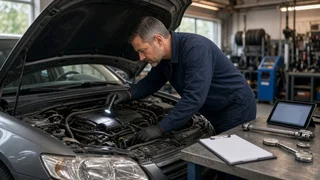
Reports from these services commonly include a checklist of systems inspected, notes on problems found, photos, and sometimes diagnostic trouble codes read from the onboard computer or a short road test summary. The depth varies by provider and package, so compare what each one actually checks before ordering. Some inspections are visual only, while others include a lift inspection or test drive.
Confirm the report covers the vehicle you intend to buy by matching the VIN in the report to the car and its title. Check the inspection date; condition can change, and an old report may not reflect the car today. Look for photos of any flagged items so you can judge severity. Note anything the inspector could not check, such as items requiring disassembly. Ask the inspection service how long the report stays available online and download a copy.
Reports provided by sellers
Dealers and private sellers sometimes share an inspection report with a listing. These can be useful, but treat them with appropriate caution because the seller chose the inspector and the timing. Verify the VIN matches, check the date, and consider ordering your own independent inspection if the purchase is significant or the report is thin on detail.
Which report you need
If your goal is registration or compliance, you need your state's safety inspection or emissions test result, and the state's online lookup, where available, is the place to check it. If your goal is deciding whether a used car is worth buying, a state pass is a minimum baseline at best; an independent pre-purchase inspection report, combined with a vehicle history report, gives a much fuller picture of the car's condition and past.