 Systems
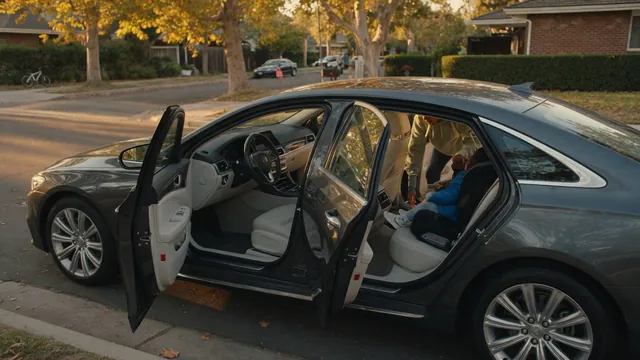
Why Do Some Cars Have Rear-Hinged Doors?
Why Do Some Cars Have Rear-Hinged Doors. Explain access and structural considerations. Learn how the subject fits into everyday vehicle use.
Practical automotive articles on maintenance, diagnostics, vehicle systems, buying used cars, tires and electric driving.
Systems
Why Do Some Cars Have Rear-Hinged Doors. Explain access and structural considerations. Learn how the subject fits into everyday vehicle use.
 Systems
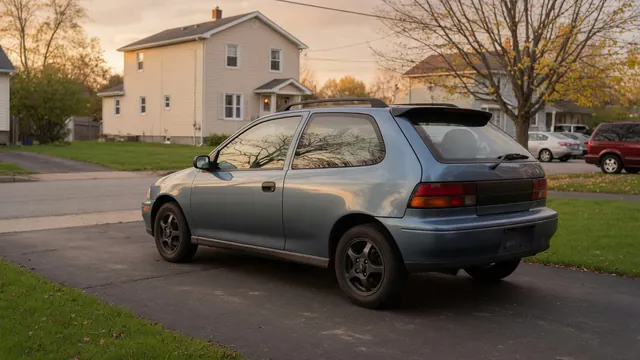
What Is a Two-Box Car Design. Explain combined cabin and cargo silhouette. Learn how the subject fits into everyday vehicle use.
 Systems
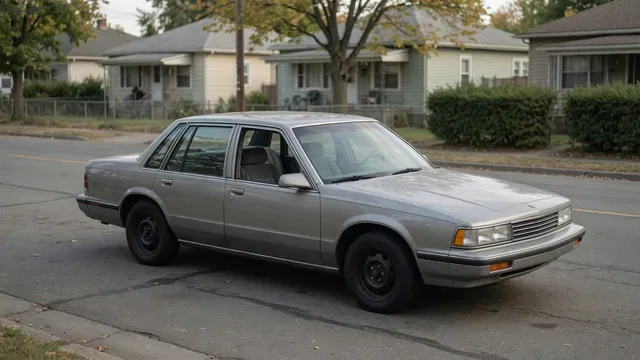
What Is a Three-Box Car Design. Explain hood, cabin and trunk proportions. Learn how the subject fits into everyday vehicle use.
 Systems
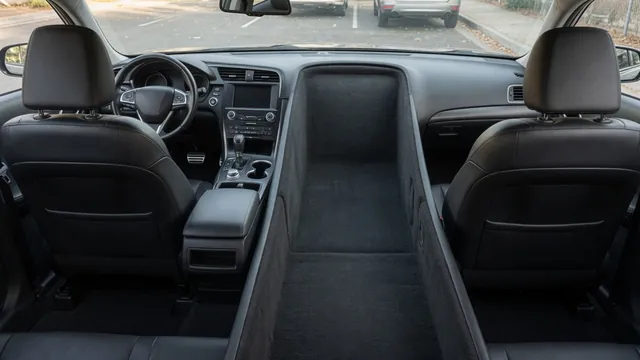
Why Do Some Cars Have a Center Tunnel. Explain structural or drivetrain packaging uses. Learn how the subject fits into everyday vehicle use.
 Systems
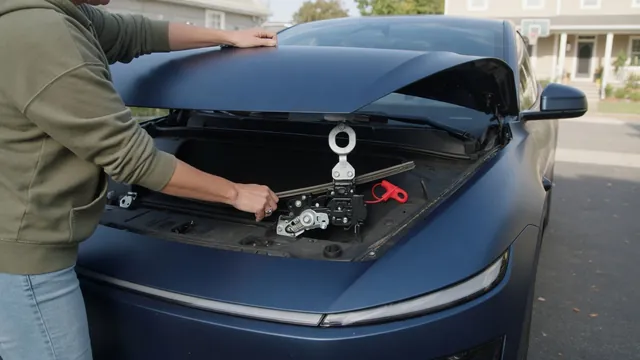
What Is a Frunk Release Mechanism. Explain latches and opening logic at a high level. Learn how the subject fits into everyday vehicle use.
 Systems
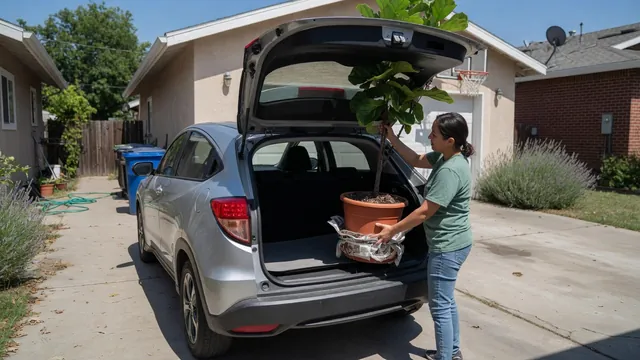
Why Do Some Cars Have a Tall Cargo Opening. Explain the role of hatch shape and bumper height. Learn how the subject fits into everyday vehicle use.
 Systems
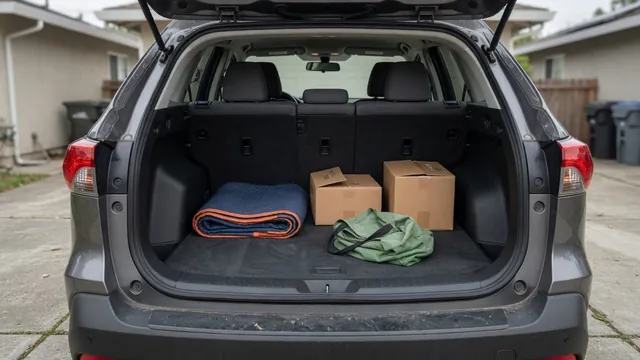
Why Do Some Cars Have a Flat Load Floor. Explain cargo floor packaging and foldable seats. Learn how the subject fits into everyday vehicle use.
 Systems
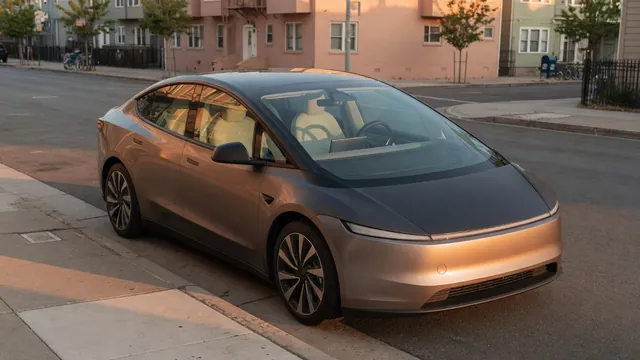
What Is a Cab-Forward Car Design. Explain moving cabin space toward vehicle ends. Learn how the subject fits into everyday vehicle use.
 Systems
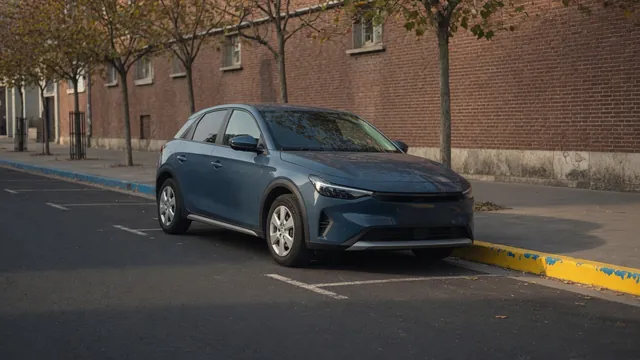
Why Do Some Cars Have a Short Front Overhang. Explain vehicle packaging and maneuvering implications.
 Systems
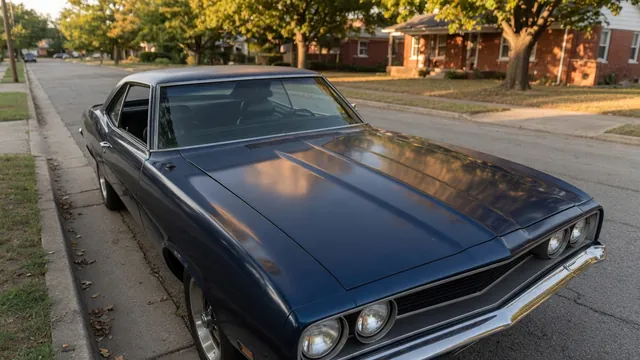
Why Do Some Cars Have a Long Hood. Discuss proportions, engine packaging and styling. Learn how the subject fits into everyday vehicle use.
 Systems
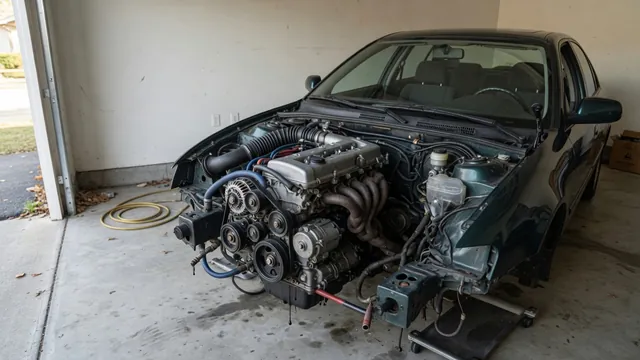
What Is a Longitudinal Engine. Explain front-to-back orientation and drivetrain routing. Learn how the subject fits into everyday vehicle use.
 Systems
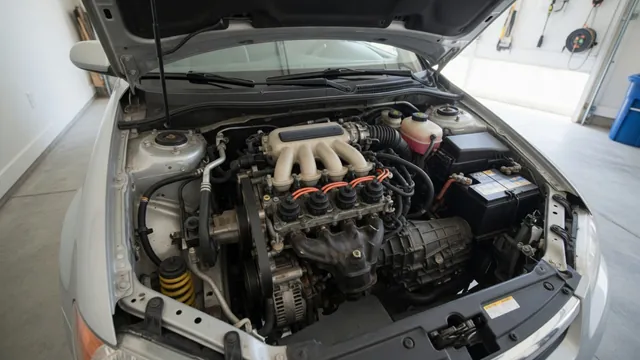
What Is a Transverse Engine. Explain sideways engine placement and its packaging effects. Learn how the subject fits into everyday vehicle use.
Your latest 12 modifications and trims, stored in this browser.