What Is a Cab-Forward Car Design?
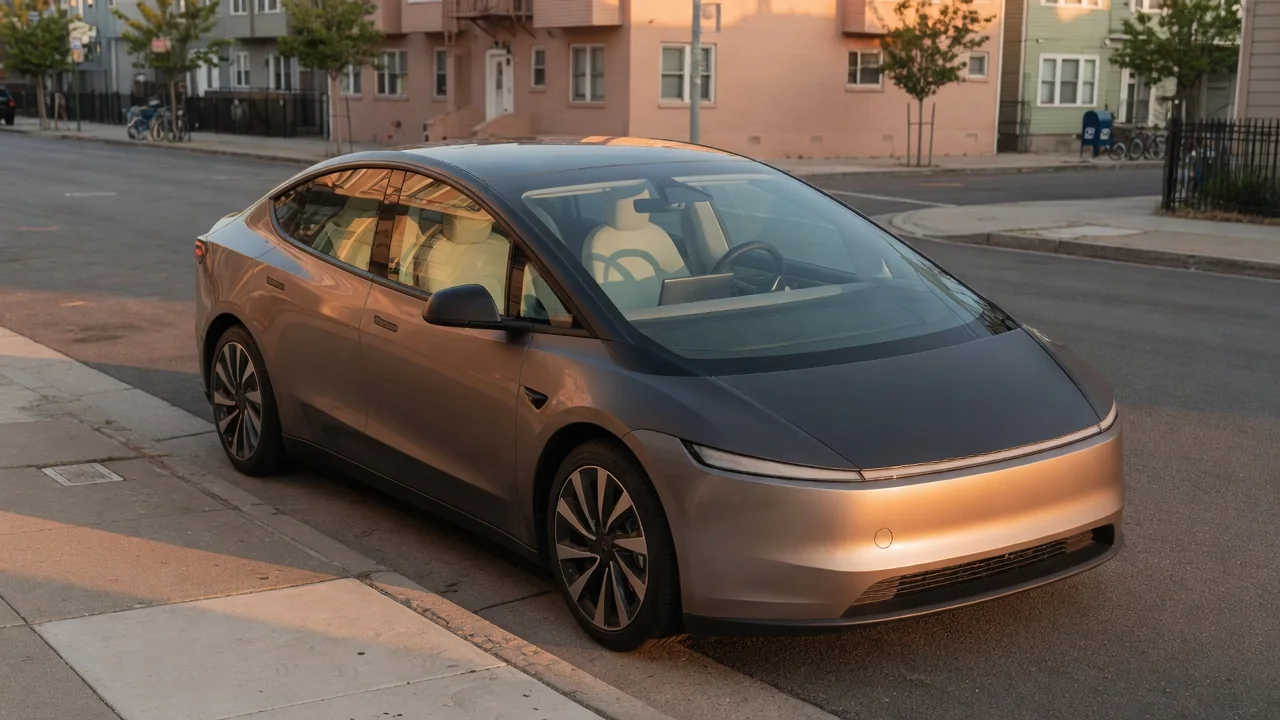
What is a cab forward car design? It is a layout that pushes the passenger compartment toward the front of the vehicle, and often stretches it rearward as well, so the cabin occupies more of the overall length. The windshield base moves ahead, the wheels sit closer to the corners, and the hood and overhangs shrink. The approach trades traditional long-hood styling for interior space.
Cabin proportion
The clearest sign of a cab-forward shape is how much of the side profile is taken up by glass and doors rather than hood and trunk. The base of the windshield sits well ahead of where it would on a traditional long-hood sedan, sometimes reaching over the front axle line. Rear wheels are pushed back toward the bumper, lengthening the wheelbase relative to overall length and leaving shorter overhangs at both ends of the body.
Chrysler popularized the term in the 1990s with sedans such as the Dodge Intrepid and Chrysler Concorde, whose steeply raked windshields and long rooflines made the idea easy to see. Many minivans, compact hatchbacks, and newer electric vehicles follow similar proportions without using the name. How far the cabin extends varies by model, so comparing the windshield base against the front wheel centerline is a practical way to judge any particular vehicle.
Visibility
Moving the windshield forward changes what the driver sees. A steeply raked glass area sits farther from the eyes, which can create an open, airy view of the road and a deep dashboard top stretching ahead. The short, sloping hood often drops out of sight, so the front corners of the car become harder to judge when parking, and drivers rely more on mirrors, sensors, or cameras where the vehicle has them.
Roof pillars deserve attention too. Because the front pillars lean forward at a shallow angle, they can cover a wider slice of the view at intersections and on curving roads, and some designs add small quarter windows ahead of the doors to recover sightlines. A deep dashboard may also reflect in the glass on bright days. These effects differ considerably between models, so sitting in the driver's seat and checking the view through turns is the most reliable test.
Engine packaging
Pulling the cabin forward leaves less length for the powertrain, so engineers must fit the engine, transmission, cooling system, and accessories into a tighter space. Front-wheel-drive layouts with transversely mounted engines suit this approach well because the engine sits sideways between the front wheels. Some cab-forward sedans instead used a longitudinal engine driving the front wheels, and part of the engine may sit beneath the cowl or the base of the windshield.
For owners and technicians, that compact bay affects access. Components near the firewall, such as rear spark plugs on some V-type engines, may be harder to reach, and items like the battery are occasionally relocated to a fender well or another area to free up room. Electric vehicles take the concept further, since a flat floor-mounted battery pack and compact motors free the nose from housing a large engine. Layouts are specific to each vehicle, so service information should guide any work.
Everyday Use and Observations
In daily driving, the main benefit is interior room for the car's footprint. A longer cabin can provide more legroom in both rows, wider door openings, and a sense of spaciousness that belies exterior dimensions. Wheels placed near the corners may also contribute to a settled ride and stable highway manners, because a longer wheelbase tends to reduce pitching over bumps, although suspension tuning and tire choice influence the result just as much.
There are trade-offs worth noticing. A large, sloped windshield admits more sunlight, which can warm the dashboard and cabin and make the climate control work harder on hot days. Reaching the lower glass to clean it or to place a sunshade can be awkward, and front wheel arches may intrude slightly on footwell space when the wheels sit close to the cabin. Trunk openings and rear headroom depend on how the roofline tapers, which varies by body style.
Limits and Next Steps
Cab forward is a styling and packaging philosophy rather than a measured standard, so no single dimension defines it. Manufacturers have applied the label loosely, and the same phrase describes certain trucks and vans where the driver sits above or ahead of the front axle. Safety engineering also sets boundaries, since the front structure still needs enough length to manage crash energy, and pedestrian protection rules influence hood height and windshield position on modern designs.
Anyone evaluating a specific car should look beyond the label. Walking around the vehicle shows where the windshield base, axles, and overhangs fall, while a test drive reveals pillar blind spots, glare, and how easy the front corners are to place. Opening the hood gives a sense of service access, and a trusted technician can explain how the layout affects routine maintenance on that particular model. Published dimensions and owner documentation help confirm impressions gained in person.