THE SPARROW STORY
Range and Performance Testing of the Sparrow Prototype
When this page was written, Corbin's research and development team was still testing the new Sparrow daily under varied road and weather conditions. The figures below are the historical results they reported at the time, not specifications for any current vehicle.
From the Sparrow archive. Product plans, events and availability described here belong to the original historical period.
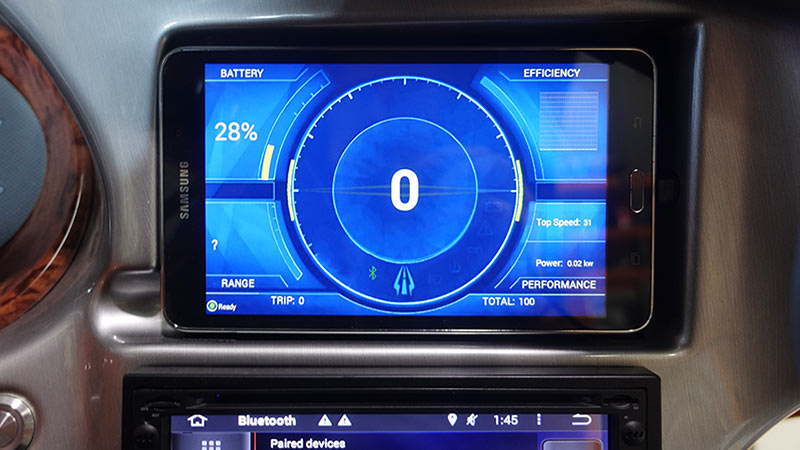
Reported range at different speeds
Corbin described two driving profiles. Driven conservatively between 55 and 65 mph with a light throttle, the prototype's range was reported at right around 100 miles. Driven more assertively in commuter traffic at 70 to 75 mph, with occasional passing at 80 mph, range fell to closer to 80 miles. The gap illustrates a general truth of electric vehicles: aerodynamic drag grows quickly with speed, so a few extra miles per hour cost a disproportionate share of the battery.
Related test notes from the same period gave supporting numbers. A steady 60 mph run on Highway 25 was logged at 184 watt-hours per mile, while a windier Pacheco Pass trip at 60 to 70 mph came in at 209 watt-hours per mile. Both were charged from a 20 kWh Enerdel lithium-ion pack.
The Pacheco Pass seat-of-the-pants test
The page recounted one informal test in detail. Mike Corbin drove east over Pacheco Pass on California Highway 152 to Santa Nella. The route is a twisting mountain road with heavy traffic and steep climbs on both sides, and the Sparrow held 60 to 65 mph the whole way. A U-turn in Santa Nella brought the car back over the pass to Hollister for a 60-mile round trip.
Mike then added roughly 40 miles around town in light traffic and on local highways averaging about 50 mph. The Sparrow returned to R&D with just over 100 miles on the clock and 7 percent left in the pack. A separate archive note records that this run took place on Father's Day.