THE SPARROW STORY
The Sparrow's Patented Aerodynamic Body
For an electric vehicle, energy saved is range gained, and the most visible contributor to the Sparrow's efficiency was its body shape. Corbin described the design as punching a clean hole in the wind and leaving the air mass with very low drag, and cited two United States patents for it.
From the Sparrow archive. Product plans, events and availability described here belong to the original historical period.
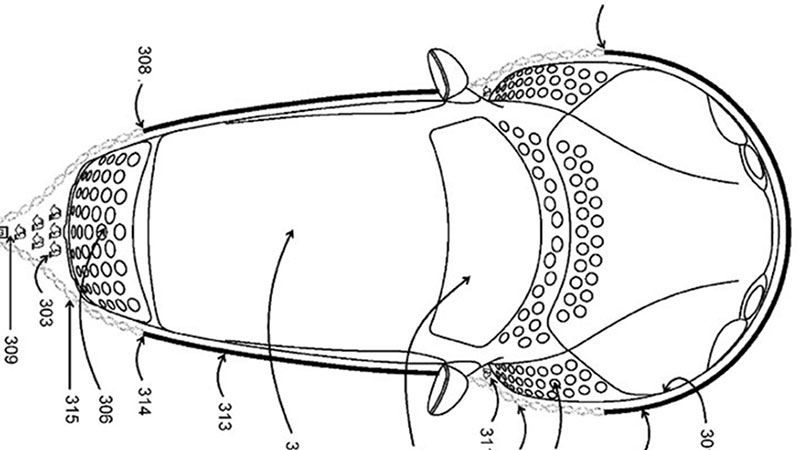
How a low-drag shape pays off
In general terms, aerodynamic drag rises steeply with speed, so at highway pace it becomes the dominant load on any small vehicle. A body that enters the air smoothly and separates from it cleanly at the rear needs less energy to hold a given speed. That lower demand shows up directly as more miles per charge, and it also tends to reduce wind noise and buffeting in the cabin. These are general principles rather than measurements taken on the Sparrow.
Corbin's specification pages describe how the Sparrow applied them. A small, tapered nose was meant to split the air into a clean laminar boundary layer, helped by a low frontal area with the battery pack mounted low between the front wheels. At the rear, golf-ball style dimples called turbulators were placed where the body exits the air mass, deliberately tripping the boundary layer to reduce drag and the eddies in the wake. Corbin noted that these were kept off the front, where a smooth entry was wanted.
The patents behind the design
The archived page listed United States Patents 9,394,011 and D777,060 for the Sparrow's aerodynamic design. The D prefix on the second number denotes a design patent, which covers the ornamental appearance of an article rather than its function. Corbin's claim of a smoother, quieter ride and longer range rested on this combined approach of shape, low profile and targeted turbulators.
