Windshield optical distortion
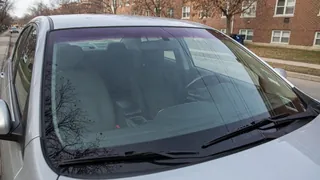
A windshield that makes straight lines appear wavy, bent, or doubled changes your view of the road. Windshield optical distortion is a visible defect in the glass that can make distance judgment harder, especially at night or in rain. It matters for driving comfort and safety because your eyes constantly refocus around the affected area. Understanding how the glass is made, how it is installed, and what can go wrong helps you tell the difference between minor cosmetic variation and a visibility problem that needs correction.
Essential answer
Windshield optical distortion is a deviation in how the laminated glass transmits light, causing images seen through it to appear stretched, compressed, or shifted. It typically comes from uneven areas in the glass itself, problems during the bending process, or stress introduced when the windshield is set into the vehicle. The shape and position of the distortion matter more than its size, because a small wave directly in the driver’s line of sight can be far more distracting than a larger irregularity near the edges.
The condition is not always a defect. Many windshields have a limited amount of gradual curvature that the eyes can adjust to without strain. True optical distortion becomes noticeable when your view jumps or swims as you move your head, when straight lane markings appear bowed, or when oncoming headlights smear vertically. Vehicle specification and glass fitment are important context: the same glass shape can behave differently depending on the windshield angle and the driver's seating position.
Diagnosing a problem
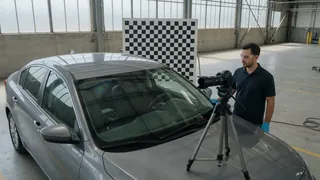
Start by separating the glass itself from installation stress. Park on a level surface and look through the windshield at a straight horizontal line, such as a fence rail or the top edge of a garage door. Slowly move your head side to side and up and down. If the line bends only when your head moves, the distortion is in the glass. If the view shifts suddenly at the edges, check the seal condition around the windshield molding for uneven pressure or signs of water ingress that can indicate the glass is not sitting correctly in the opening.
A windshield that was replaced may show distortion from an aftermarket part that does not match the original glass thickness or curvature. In that case, the problem may be a fitment issue rather than a manufacturing flaw. Also inspect the glass surface in sunlight at a shallow angle for ripples or lens-like thick spots. Hand the vehicle over to a professional when distortion appears suddenly after impact or when it sits in the driver’s forward gaze; a crack or delamination can worsen without any visible break, and the proper repair depends on identifying the damaged layer rather than guessing at the visible symptom.