What Are Distortion Lines in a Windshield?
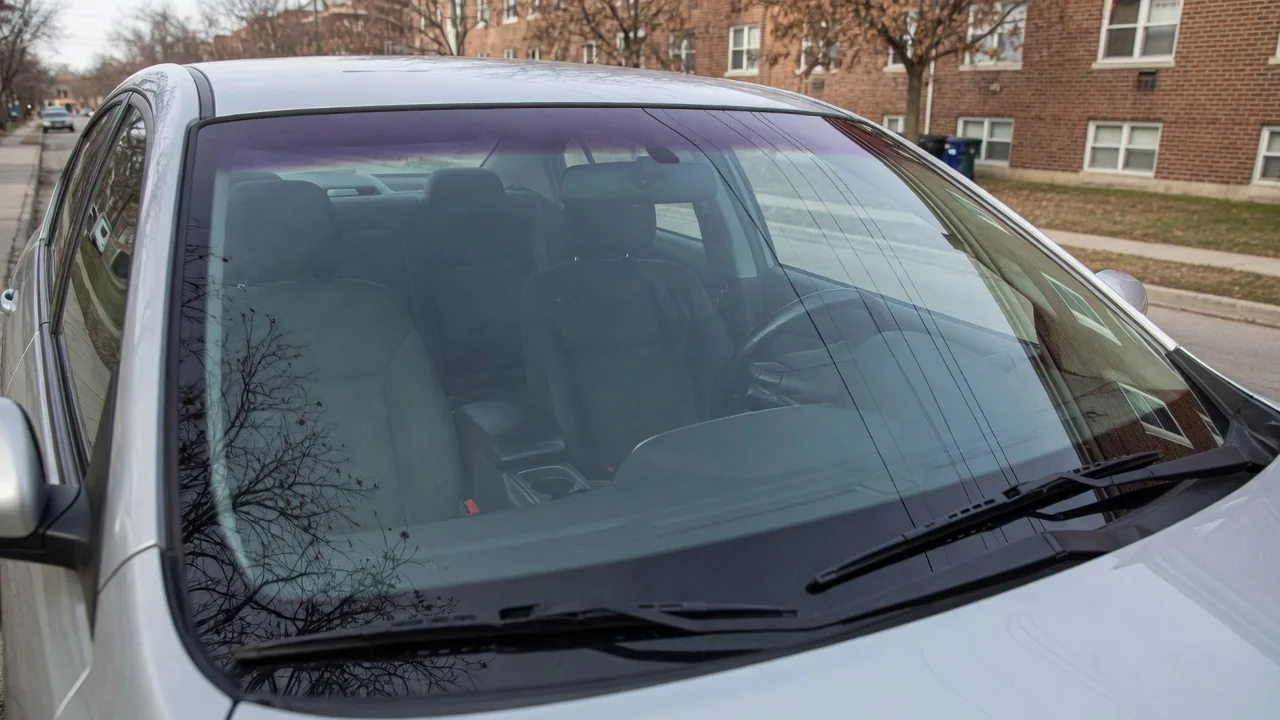
Drivers who notice wavy, bent, or shimmering shapes through the glass often ask what are distortion lines in a windshield. They are optical irregularities, areas where the laminated glass bends light unevenly, so straight objects appear rippled or stretched. Some are harmless manufacturing traits, while others interfere with clear vision and deserve professional attention.
Look through zones
A windshield is not judged equally across its whole surface. The area directly ahead of the driver, swept by the wipers and used to read the road, matters far more than the outer edges. Glass makers generally hold this primary viewing area to tighter optical standards, while the perimeter, where the glass curves most sharply toward the pillars, is allowed more variation. That is why mild waviness near the edges or along the bottom band is common and usually considered normal.
A simple way to judge the zone is to sit in the normal driving position and watch a straight object, such as a lane marking, building edge, or utility pole, as it passes across the glass. If the line stays straight through the central area and only bends close to the border, the irregularity sits outside the critical zone. Steeply raked or strongly curved windshields tend to show more edge effects, so what looks typical on one vehicle may seem unusual on another.
Replacement quality
Distortion that appears right after a windshield replacement often points to the glass itself rather than the installation. Laminated windshields are made by bending two glass sheets and bonding them around a plastic interlayer. Small differences in how evenly the sheets were heated and shaped can leave ripples that act like weak lenses. Replacement glass comes from different manufacturers with varying quality control, so two panels made for the same vehicle may not look identical when viewed at an angle.
Installation can also play a part. If the glass is seated unevenly or under stress in the opening, it may not sit at the intended curvature, which can exaggerate optical flaws that would otherwise be minor. Owners should compare the new glass to their memory of the original soon after the work is done, ideally in daylight and before much time passes. Noticing a wave, a stretched band, or a doubled image early makes it much easier to raise the concern with the installer.
Service
When distortion is bothersome, the practical first step is returning to the shop that supplied the glass. A technician can view the windshield from the driver's seat, check where the irregularity falls, and decide whether it is within normal limits or a defect. Because optical distortion is built into the glass, it cannot be polished or repaired away the way a small chip can be filled. If the flaw is judged unacceptable, the realistic remedy is a different piece of glass.
Vehicles with cameras mounted behind the windshield add another consideration. Lane keeping, automatic braking, and similar driver assistance features look through a specific area of the glass, and that area needs to be optically clean for the camera to read the road accurately. Many of these systems require calibration after glass replacement, though the requirements depend on the manufacturer. If warning messages or erratic assistance behavior appear after new glass is fitted, mention both the distortion and the symptoms to the shop.
Everyday Use and Observations
In daily driving, distortion lines show up most clearly under certain conditions. Looking through the glass at a shallow angle, such as glancing toward the passenger side corner, makes ripples more visible than looking straight ahead. Moving your head slightly may cause distant objects to swim or wobble. At night, oncoming headlights can appear smeared or doubled in an affected area, and some drivers report eye strain or mild headaches on long trips when the flaw sits in their main line of sight.
It helps to separate true distortion from things that only resemble it. Faint parallel lines near the bottom of the glass may be heating elements for the wiper rest area, and thin wires or dotted patterns can belong to antennas or sensor housings. Polarized sunglasses can reveal rainbow patches or stripes in the glass that are related to how it was made and are not visible without them. Dirt film, worn wiper tracks, and interior haze also blur vision but clean or wear differently.
Limits and Next Steps
There are limits to what an owner can conclude from a visual check alone. Whether a given ripple counts as a defect depends on its location, its severity, and the standards the glass was built to, and those judgments belong to a glass professional. Mild edge waviness that never crosses the driver's main view rarely justifies replacement. On the other hand, distortion that changes how you perceive distances, lane lines, or other vehicles is a visibility concern and should not simply be tolerated.
A sensible next step is to document what you see. Note where on the glass the effect appears, under what lighting it is worst, and whether it was present before any recent replacement. Photos or a short video taken through the glass at a straight reference line can help a shop understand the complaint. If the windshield was recently installed, ask about the workmanship or glass warranty promptly. If the distortion has developed alongside cracks, delamination, or cloudy edges, have the glass inspected soon.