Why Does a Tire Wear Faster on Both Shoulders?
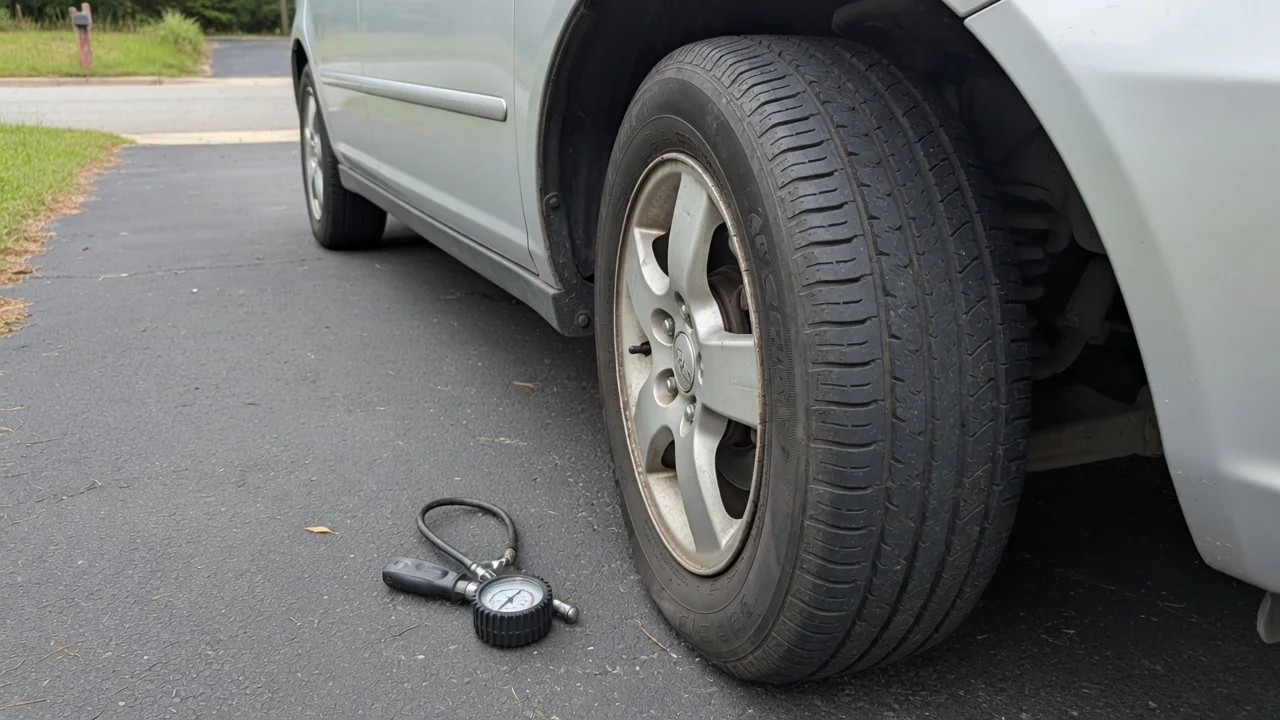
When the inner and outer edges of a tread wear down while the center stays comparatively deep, the tire is telling a story about how it meets the road. Drivers asking why does a tire wear faster on both shoulders usually find the answer in low inflation pressure, heavy loads, or hard cornering, and often in a combination of the three working together.
Inspect edges
Start by looking across the full width of the tread rather than at one spot. Shoulder wear on both sides shows up as outer ribs that sit visibly lower than the center ribs, sometimes with rounded or scuffed tread block corners. Running a hand across the tread can reveal the difference before the eye catches it. Comparing groove depth at the center and near each edge with a tread depth gauge turns an impression into a measurement you can track over time.
Check all four tires, because the pattern across the vehicle matters as much as the pattern on one tire. Matching wear on both edges of both front tires points in a different direction than wear on a single tire or a single edge. Front tires on many front-wheel-drive cars carry more weight and do the steering, so their shoulders often show it first. Tread designs differ too, and some tires have built-in wear indicator bars that make uneven depth easier to spot.
Check pressure
Underinflation is the classic explanation for wear on both shoulders. When a tire runs soft, the center of the tread carries less of the load, and the contact patch presses harder along its edges. The sidewalls also flex more, which builds heat and lets the shoulders scrub against the pavement. A tire can lose a meaningful amount of pressure and still look normal, especially a low-profile design, so appearance alone is not a reliable check.
Measure pressure with a good gauge when the tires are cold, meaning before driving or after the vehicle has sat for several hours. Compare the reading with the vehicle maker's recommendation, which is typically printed on a placard in the driver's door jamb and in the owner's manual, not the maximum figure molded into the sidewall. Recommended values vary by vehicle, and some list different front and rear pressures or higher figures for a full load. Temperature swings between seasons also shift readings, so a single check per year is not enough.
Diagnose
Sorting out the cause means matching the wear pattern to the conditions the tire has lived with. If pressures have been found low repeatedly, inflation is the leading suspect, and a slow leak from a puncture, valve stem, or wheel bead seat deserves a look. If pressures have been correct, consider load. A vehicle that regularly hauls cargo, tows, or carries a full cabin compresses its tires much as low pressure does, pushing the work toward the shoulders.
Cornering is the third possibility. Enthusiastic driving on winding roads, frequent highway ramps, or tight urban turns rolls the tread onto its edges, and over time both shoulders of the front tires can round off. Alignment and worn suspension parts usually affect one edge more than both, yet they can overlap with the other causes and blur the picture. A tire warning light or a stored pressure-monitoring fault code is a clue worth interpreting, not proof that a specific component has failed, and its meaning should be confirmed for the particular vehicle.
Everyday Use and Observations
Daily habits shape the pattern more than most drivers expect. A commuter who checks pressure only when a warning light appears may run several pounds low for months, since many monitoring systems alert only after a substantial drop. A pickup used for weekend loads of gravel or a crossover packed for long family trips sees repeated spells of heavy loading. A delivery route full of roundabouts and parking lot maneuvers scrubs shoulders in a way steady highway miles do not.
Small signs behind the wheel can support what the tread shows. Soft tires often make steering feel heavier or slower to respond, and the car may lean and squirm slightly in turns. Fuel economy can slip because a soft tire has more rolling resistance. Skipped rotations make things worse, since the same tires stay on the hardest-working axle. How quickly any of this develops depends on the vehicle's weight, drivetrain layout, tire construction, and tread compound, so two cars can differ noticeably.
Limits and Next Steps
A visual inspection and a pressure gauge can identify the likely cause, but they have limits. Worn shoulders do not grow back, and correcting pressure only slows further wear. A tire that has run very low for a long stretch may have internal damage that cannot be seen from outside. If tread near the edges is close to the wear bars, or if cords, cracks, or bulges appear, the tire needs professional evaluation before more miles are added.
From there, the practical path is straightforward. Set pressures to the vehicle maker's specification, recheck them regularly, and adjust for heavy loads if the owner's manual calls for it. Follow the rotation pattern and schedule recommended for the vehicle and its tires. If shoulder wear continues despite correct inflation and sensible loading, have a shop inspect alignment, suspension, and the tires themselves, and confirm that the tire size and load rating suit the vehicle. Keeping notes on depth readings makes the next comparison far easier.