Why Does a Car Shudder When Pulling Away?
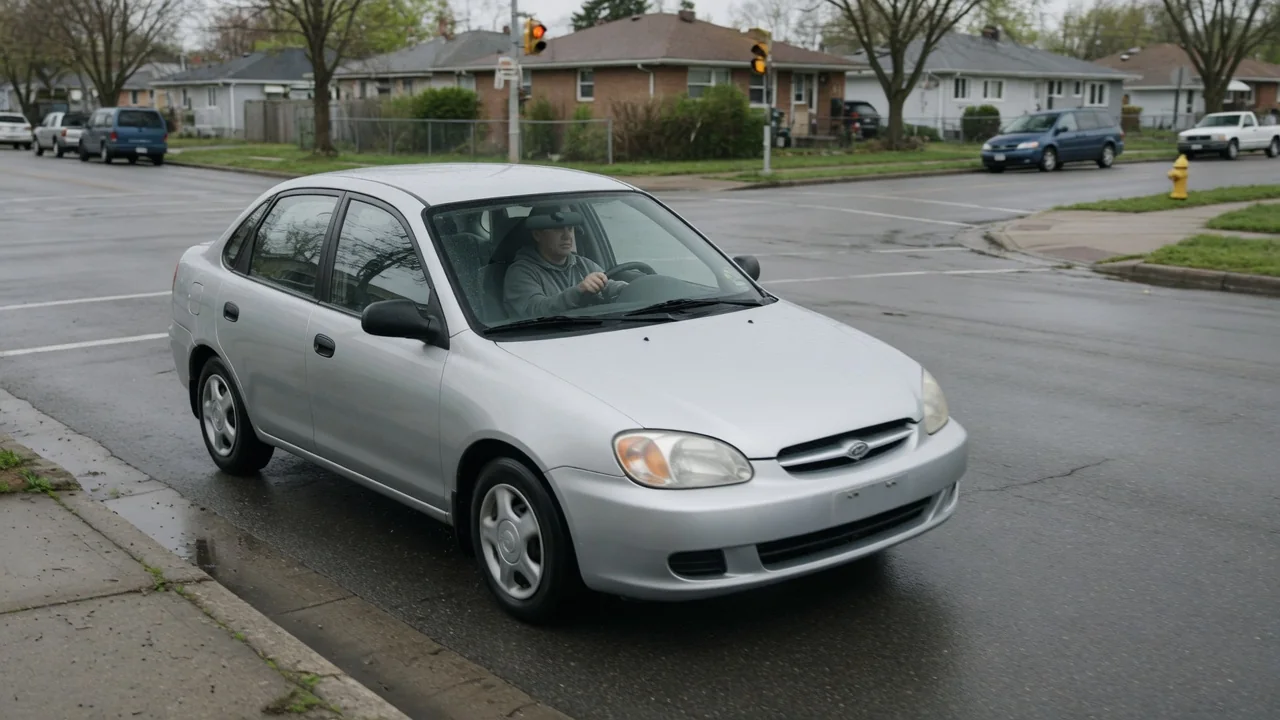
Anyone asking why does a car shudder when pulling away is usually describing a vibration or judder felt through the seat, pedals, or steering wheel during the first few feet of movement. The sensation typically traces back to how the clutch engages, how the engine and transmission mounts hold the drivetrain, or how the tires grip the road. Each possibility leaves different clues.
When it occurs
Takeoff shudder appears in the brief window when engine torque first transfers to the wheels. In a manual transmission car, that is the moment the clutch disc slips against the flywheel as the pedal comes up. If the friction surfaces grab and release unevenly instead of taking up smoothly, the whole car can tremble until the clutch is fully engaged. The vibration then normally disappears once the pedal is released and the car is rolling, which is a useful distinguishing trait.
Automatic vehicles can produce a similar feeling, although the hardware differs. Dual-clutch and automated manual transmissions use friction clutches that can judder much like a conventional one, while traditional automatics rely on a torque converter, and some designs may shudder as internal clutches apply. Timing matters as well. Some drivers notice the problem only on a cold first start of the day, others only after stop-and-go traffic has heated everything up, and that pattern varies with the vehicle and its drivetrain layout.
Load and surface
Load changes how hard the drivetrain has to work during launch. Starting on an uphill grade, towing a trailer, carrying a full cabin, or pulling away in reverse up a driveway all demand more torque through the clutch and mounts. A marginal clutch that behaves on flat ground may judder noticeably under these conditions. Worn engine or transmission mounts show up similarly, because the powertrain rocks farther under heavy torque and can transmit a thump or shake into the body.
The road surface introduces the traction side of the question. On wet pavement, gravel, painted lines, or loose dirt, a driven wheel can alternately slip and grip, producing a rapid hopping sensation often called wheel hop or axle tramp. Traction control may also intervene by pulsing the brakes or trimming engine power, which some drivers interpret as a shudder. If the vibration occurs only on slippery or uneven ground and vanishes on dry, level asphalt, tire grip deserves more suspicion than the clutch.
Diagnostic notes
Sorting the possibilities starts with noting what the shudder tracks with. A vibration that follows clutch pedal position and stops once the pedal is fully up points toward the clutch assembly, where contamination from an oil leak, a glazed or unevenly worn disc, or heat spots on the flywheel are common suspects. A clunk or lurch when shifting between drive and reverse, or visible engine movement when torque is applied, suggests the mounts are worth inspecting instead.
Other causes can mimic these symptoms, so no single observation is conclusive. An engine misfire under load can feel like a drivetrain judder, and worn axle joints or driveshaft components can vibrate during acceleration from a stop. If a warning light is on, any stored fault code is evidence to interpret alongside the symptoms, not proof that a specific part has failed. Some codes are manufacturer-specific, so their meaning should be confirmed against information for the exact vehicle before conclusions are drawn.
Everyday Use and Observations
Daily driving offers plenty of chances to gather useful detail without any tools. Pay attention to whether the shudder happens on every launch or only occasionally, whether it worsens with a gentle takeoff or a brisk one, and whether it changes as the car warms up. In a manual, notice if the bite point has moved or if engine speed rises without matching acceleration, since slipping and judder sometimes appear together. A burning smell after hill starts is another relevant observation.
Tire condition is easy to overlook. Uneven wear, low tread on the driven axle, or mismatched pressures can reduce grip enough to cause a stuttering launch on damp roads. Driving technique plays a part too, because holding the car on a hill with the clutch or slipping it for long periods builds heat that can aggravate judder. How pronounced any of these signs become depends on the vehicle, since front-wheel, rear-wheel, and all-wheel drive layouts load their components differently.
Limits and Next Steps
Observation can narrow the field, but it cannot confirm the cause. The clutch disc, pressure plate, and flywheel sit inside the bell housing and cannot be fully assessed without disassembly, and mount wear is not always obvious from above. A mild, occasional shudder on a cold morning may remain stable for a long time, while one that grows stronger, spreads to other driving conditions, or arrives with new noises suggests wear that is progressing and deserves prompt attention.
The sensible next step is a professional inspection, ideally with a clear description of when the shudder occurs, what load and surface conditions bring it on, and what has changed recently. That history helps a technician reproduce the fault and decide whether to examine the clutch, the mounts, the driveline, or the tires first. Continuing to drive with a severe judder can stress neighboring components, so a car that shakes hard on every launch is better evaluated sooner.